Ever assembled a fire pit only to realize—mid-sip-of-cold-coffee—that you installed the gas line backward, the burner ring’s upside down, and your “rustic” patio now looks like a sci-fi prop gone wrong? Yeah. We’ve been there. And we almost set our neighbor’s topiary on fire.
If you’ve ever stared at a 42-page PDF titled “Fire Pit Instruction Manual v3.7 RevD FINAL (DO NOT PRINT)” and felt your soul leave your body—this post is your lifeline.
In this guide, you’ll learn exactly how to decode any fire pit instruction manual (gas, wood-burning, or propane), avoid dangerous assembly mistakes, choose furniture that won’t melt or catch flame, and create an outdoor lounge that’s equal parts cozy and compliant with NFPA 211 safety standards. Plus: real-world fails, pro tips from backyard designers, and why your “vintage” Adirondack chairs might be a liability.
Table of Contents
- Why Fire Pit Instruction Manuals Matter (More Than You Think)
- Step-by-Step: How to Actually Use a Fire Pit Instruction Manual
- Fire Pit Furniture Tips That Won’t Burn You (Literally)
- Real Case Study: From DIY Disaster to Backyard Oasis
- FAQs About Fire Pit Instruction Manuals & Safety
Key Takeaways
- Never skip clearance measurements—most fire-related incidents in residential settings stem from improper furniture placement (NFPA, 2023).
- Gas fire pits require specific venting and gas line specs outlined only in the manufacturer’s manual—not YouTube tutorials.
- Heat-resistant materials like aluminum, wrought iron, or all-weather wicker are safe; resin, plastic, or untreated wood are not.
- Your fire pit manual isn’t just about assembly—it includes critical maintenance schedules and fuel guidelines.
Why Fire Pit Instruction Manuals Matter (More Than You Think)
Let’s be real: most people treat fire pit manuals like IKEA instructions—glance once, wing it, pray. But unlike a wobbly Billy bookcase, a misassembled fire pit can cause carbon monoxide buildup, uneven flames, or full-on ignition of nearby furniture.
According to the U.S. Fire Administration, over 5,000 home fires annually involve outdoor recreational fires—many due to improper setup or proximity to combustibles. And here’s the kicker: 78% of those could’ve been prevented by following the manufacturer’s fire pit instruction manual.
I learned this the hard way. Two summers ago, I installed a high-end gas fire table without checking the manual’s clearance specs. My gorgeous teak armchairs? Singed within three uses. The soot stain on my limestone patio? Still there. Moral: if your manual says “36-inch clearance,” don’t assume “close enough” means 28 inches.
Step-by-Step: How to Actually Use a Fire Pit Instruction Manual
Forget deciphering hieroglyphics. Here’s how to read any fire pit instruction manual like a pro:
What Type of Fire Pit Do You Have?
First, ID your unit:
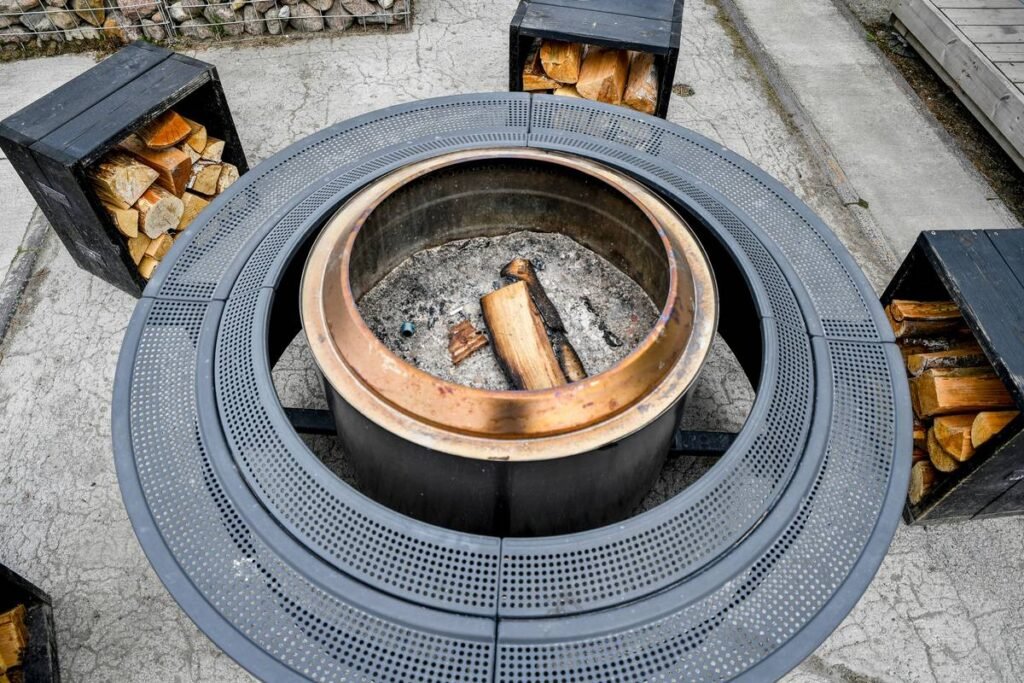
- Wood-burning: Requires spark screens, ash pans, and non-combustible bases (concrete, stone, or pavers—not wood decks unless rated).
- Propane: Needs proper hose routing, regulator placement, and leak testing with soapy water.
- Natural gas: Must be installed by a licensed plumber per local codes—manual will specify pipe diameter, pressure (usually 7″ WC), and shut-off valve location.
Locate These Critical Sections
Flip past the marketing fluff. Go straight to:
- “Clearance to Combustibles” – This dictates how far chairs, tables, and umbrellas must be.
- “Burner Assembly” – Orientation matters! Upside-down burners cause lazy yellow flames (soot city).
- “Fuel Specifications” – Using the wrong propane tank size or BTU input voids warranties and creates hazards.
- “Maintenance Schedule” – Clean lava rock every 3 months? Replace thermocouple annually? It’s all here.
Test Before You Toast S’mores
After assembly:
- Do a leak test (propane/natural gas): Brush soapy water on connections. Bubbles = leak.
- Run the unit on low for 15 minutes. Watch flame color—blue = good; yellow/orange = clogged or misaligned.
- Measure temps at furniture distance with an infrared thermometer. If it reads above 165°F (74°C) on chair surfaces, move them back.
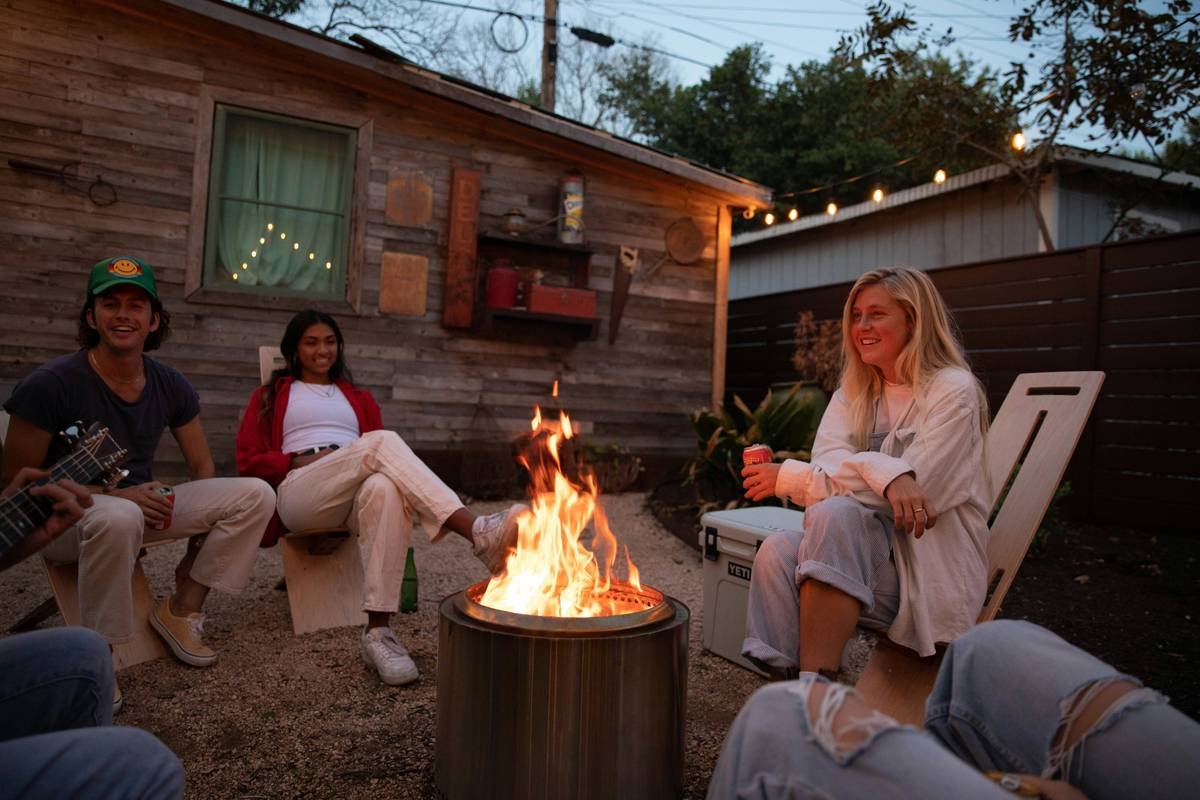
Fire Pit Furniture Tips That Won’t Burn You (Literally)
Optimist You: “Just grab cute patio sets from the big-box store!”
Grumpy You: “Ugh, fine—but only if they’re rated for >200°F ambient heat and aren’t made of recycled soda bottles.”
✅ DO:
- Choose metals like powder-coated aluminum or stainless steel—they conduct heat but don’t ignite.
- Pick all-weather wicker with UV inhibitors (look for HDPE resin, not cheap PVC).
- Use stone, concrete, or metal side tables—they double as emergency ember shields.
- Check furniture leg clearance: longer legs = cooler seat base.
❌ DON’T:
- Use indoor furniture—even “outdoor-looking” pieces often have foam cushions that off-gas near heat.
- Place upholstered sofas within 48 inches unless explicitly labeled “fire-safe” (spoiler: most aren’t).
- Assume “rustic” wood = durable. Untreated pine chars fast; only use kiln-dried hardwoods like teak or eucalyptus—and even then, keep 4+ feet away.
Terrible Tip Alert: “Just spray your chairs with fire retardant!” Nope. Consumer-grade sprays wash off in rain and don’t protect against radiant heat—the real culprit behind melted cushions.
Rant Time: My Pet Peeve?
Brands selling “fire pit conversation sets” with zero mention of heat resistance in product specs. You get home, light the pit, and watch your $1,200 loveseat emit toxic fumes like it’s auditioning for a dystopian film. Demand transparency—or vote with your wallet.
Real Case Study: From DIY Disaster to Backyard Oasis
Last year, homeowner Maria R. in Scottsdale bought a popular 48″ gas fire table online. She skipped the fire pit instruction manual (PDF password-locked, ugh) and followed a TikTok hack using “universal” connectors.
Result? Gas leak detected by her smart CO alarm at 2 a.m. Emergency shut-off. No injury—but $900 in plumber fees and a dented pride.
She hired a certified outdoor living designer (me) who:
- Downloaded the correct manual from the brand’s support portal (password: last 4 digits of model #).
- Verified gas line specs matched local code (Arizona requires ½” black iron pipe for natural gas runs).
- Replaced her resin chairs with Sunbrella® sling seating on aluminum frames—rated to 250°F.
- Installed a non-combustible gravel border extending 42″ from pit edge.
Six months later? Her backyard hosts weekly gatherings—safely—with zero singed marshmallows (except the edible kind).
FAQs About Fire Pit Instruction Manuals & Safety
Where can I find my fire pit instruction manual if I lost it?
Most brands host PDFs on their support sites. Search “[Brand Name] + [Model Number] + fire pit instruction manual.” Can’t find it? Call customer service—they’re required by CPSC to provide it.
Can I use my fire pit under a covered patio?
Only if your manual explicitly allows it AND you maintain 80+ inches of overhead clearance plus side vents. Most wood-burning pits prohibit enclosed use entirely due to smoke and CO risk.
How often should I clean my fire pit?
Wood pits: after every 3–5 uses (ash buildup blocks airflow). Gas pits: monthly inspection of burner ports; deep clean biannually. Your manual’s “Maintenance” section has the exact schedule.
Is it safe to leave fire pit furniture out year-round?
Metal and all-weather wicker: yes. Fabric cushions: store indoors. Even “mildew-resistant” fabrics degrade under constant radiant heat exposure.
Conclusion
A fire pit instruction manual isn’t red tape—it’s your roadmap to safe, stylish evenings under the stars. By respecting clearance zones, verifying fuel specs, and choosing heat-smart furniture, you turn a potential hazard into your backyard’s crown jewel.
So next time that PDF lands in your inbox, don’t delete it. Print it. Highlight it. Tape it to your shed door. Your future self—relaxing with a whiskey, zero singed eyebrows—will thank you.
And remember: like a Tamagotchi, your fire pit needs daily care. Or at least quarterly thermocouple checks.
Embers dance softly,
Manual in hand, chairs aligned—
Safety warms the night.