Ever stood shivering 10 feet from your DIY fire pit because the “cozy” seating you slapped together felt like a medieval torture device? Yeah. We’ve all been there—wrapped in three blankets, roasting marshmallows with numb fingers, wondering why Pinterest made it look so effortless.
If you’re dreaming of crackling flames and backyard hangouts but dreading sore backs and singed eyebrows, you’re in the right place. This guide cuts through the fluff (and the unsafe “hacks”) to show you exactly how to build outdoor fire pit furniture that’s not just Instagrammable—but functional, durable, and compliant with fire safety codes.
You’ll learn: the non-negotiable safety clearances, which materials won’t warp or ignite, real-world layout mistakes (including my own backyard blunder), and how to pair your pit with furniture that invites lingering—not fleeing.
Table of Contents
- Why Does Fire Pit Furniture Even Matter?
- How to Build Outdoor Fire Pit Furniture: Step-by-Step
- Pro Tips for Comfort, Safety & Style
- Real Case Study: My Cedar Bench Disaster (And Redemption)
- FAQs: Your Burning Questions—Answered
Key Takeaways
- Never place seating closer than 3–4 feet from open flames—NFPA recommends 7+ feet for permanent structures.
- Avoid softwoods like pine; they warp, splinter, and can emit volatile compounds near heat.
- Modular stone or metal benches outperform wood in longevity and fire resistance.
- Your “rustic” reclaimed pallet bench? Probably a fire hazard—unless properly treated and distanced.
- Comfort = seat depth (18–22”), height (16–18”), and back support angled at 100–110°.
Why Does Fire Pit Furniture Even Matter?
Let’s be real: a fire pit without proper seating is just a fancy bug zapper that smells like campfire. Too many homeowners focus solely on the pit itself—stacking stones, pouring concrete rings, installing gas lines—only to plop down folding chairs or wobbly tree stumps as an afterthought.
But furniture isn’t decoration here—it’s safety infrastructure. The U.S. Consumer Product Safety Commission reports over 5,000 fire pit-related injuries annually, many tied to improper seating placement or combustible materials too close to flames. And let’s not forget comfort: if your guests are squinting into smoke or sliding off slanted logs, your “ambient gathering space” becomes a ghost town by 9 PM.
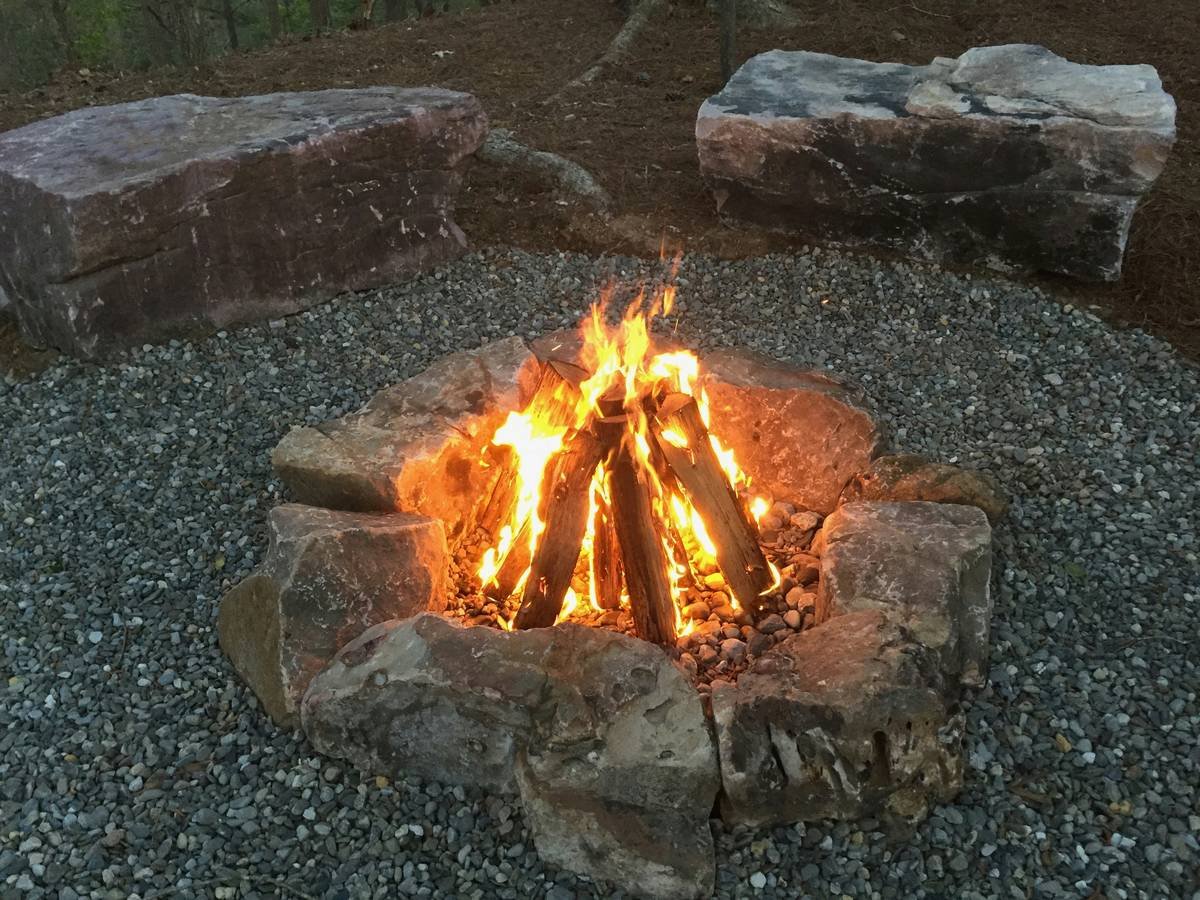
I learned this the hard way. Two summers ago, I built a gorgeous circular pit with a reclaimed cedar perimeter bench. Looked stunning. Felt like sitting inside a sauna—on fire. Within weeks, the wood cracked from repeated heat cycles. One guest lightly brushed her sleeve against a hot ember… and *poof*. Not a full burn, thank goodness—but enough to make me rip the whole thing out.
How to Build Outdoor Fire Pit Furniture: Step-by-Step
Step 1: Choose Your Layout (Before You Buy a Single Brick)
Optimist You: “A cozy circle feels so inviting!”
Grumpy You: “Unless someone blocks the view or traps smoke in their face—then it’s purgatory.”
The ideal shape depends on your yard size and traffic flow:
• Circular: Best for pits under 42” diameter. Keep seating radius ≥7 ft.
• Square/Rectangular: Allows linear benches with armrests; easier for accessibility.
• U-Shaped: Maximizes conversation zones; great for larger gatherings.
Step 2: Pick Non-Combustible Materials (Seriously, Skip the “Vintage Barn Wood”)
Your options:
• Concrete pavers or cast stone: Heat-resistant, zero maintenance. Use modular kits for DIY ease.
• Powder-coated steel or aluminum: Lightweight yet stable. Look for high-temp rated finishes.
• Fire-rated composite lumber: Brands like Fiberon Promenade® withstand radiant heat up to 170°F.
❌ Avoid untreated wood, plastic, wicker, or fabric within 8 ft of flame.
Step 3: Nail the Ergonomics (Yes, Fire Pit Seats Need This Too)
Seat too low? You’re staring at knees. Too deep? Your back screams. Follow these dimensions:
• Seat height: 16–18” (matches standard dining chairs)
• Seat depth: 18–22” (prevents slouching)
• Backrest angle: 100–110° (supports lumbar without neck strain)
• Armrest height: 24–27” (for elbow support while roasting s’mores)
Pro Tips for Comfort, Safety & Style
- Add a windbreak—but not too close. A partial screen (like a low stacked-stone wall) reduces smoke blowback without trapping heat. Keep it ≥5 ft from flames.
- Use removable cushions ONLY when fire is out. Store weatherproof outdoor cushions nearby—but never leave them on seats during burning. Even “flame-retardant” fabrics degrade over time.
- Light it smart. Place a battery-powered LED strip under bench edges for nighttime ambiance—no tripping over invisible logs.
- Skip the “terrible tip”: “Just use old patio chairs!” Most metal chairs conduct heat dangerously. And plastic melts faster than marshmallows. Don’t risk it.
Rant Time: My Pet Peeve?
People who treat fire pits like indoor coffee tables—cluttering them with glass-top surfaces, throw pillows, and candle hurricanes. Newsflash: open flame + decor = disaster waiting to happen. Keep it clean, keep it clear, and respect the physics of fire. Your future self (and local fire marshal) will thank you.
Real Case Study: My Cedar Bench Disaster (And Redemption)
In 2022, I built a flush-mounted cedar bench around a 36” steel fire bowl. Used marine-grade sealant, thought I was golden. Two months in, summer temps hit 95°F—and radiant heat from evening fires pushed surface temps on the wood to 140°F+. Result? Warped planks, peeling finish, and that terrifying ember incident.
Redo plan: I replaced the entire perimeter with Belgard TruForm concrete seating walls. Installed built-in drainage, added 8” of gravel base for airflow, and capped with smooth bullnose coping. Cost: $1,200. Lifespan? Decades. Comfort? Chef’s kiss. Guests now linger past midnight—without checking for burns.
FAQs: Your Burning Questions—Answered
How far should seating be from a fire pit?
Minimum 3 feet for temporary setups (like portable pits). For permanent installations, the National Fire Protection Association (NFPA) recommends at least 7 feet of clearance to prevent radiant heat exposure and accidental ignition of clothing or upholstery.
Can I build seating directly into my fire pit ring?
No. Combustible materials must never be integrated into the fire chamber. Use separate, non-combustible benches placed outside the safety perimeter.
What’s the best wood for fire pit furniture—if I insist on using wood?
If you must, choose dense hardwoods like teak or ipe—and keep them ≥8 feet from flames. Even then, expect annual sealing and potential warping. Seriously consider composites instead.
Do I need a permit to build outdoor fire pit furniture?
Possibly. Many municipalities regulate open-flame structures. Check with your local building department—especially if your design includes gas lines, masonry, or fixed seating over 18” tall.
Conclusion
Building an outdoor fire pit isn’t just about throwing rocks in a circle—it’s about crafting a safe, comfortable, and enduring gathering space. By respecting fire codes, choosing the right materials, and prioritizing ergonomics over aesthetics alone, you’ll create a zone where memories are made… not ER visits.
So go ahead—ignite that vision. Just maybe skip the pallet bench. Your marshmallows (and your neighbors) will thank you.
Like a Tamagotchi, your fire pit needs daily care… or at least weekly ash removal.
Flames dance in night air,
Stone seats hold warmth, friends lean in close—
No singed sleeves. Peace.