Ever hosted a “cozy” backyard hang that turned into a shivering huddle around a wobbly metal bowl spitting embers like a disgruntled dragon? Yeah. We’ve all been there—blankets clutched tight, toes numb, wondering why your $200 “fire pit” feels more like a campfire hazard than a conversation centerpiece.
If you’re dreaming of crackling flames, warm laughter, and furniture that actually belongs around your heat source—not melts beside it—you’re in the right place. This guide cuts through the smoke and ash to show you exactly how to choose, arrange, and safely enjoy an outdoor fire pit box that elevates your entire outdoor living space.
You’ll learn: what makes a fire pit box different (and safer) than basic pits, which furniture materials won’t combust or warp, real-world layout mistakes to avoid, and how to create a zone that’s equal parts stylish, functional, and code-compliant.
Table of Contents
- Why Fire Pit Boxes Are a Game-Changer
- How to Choose the Right Outdoor Fire Pit Box
- Best Furniture Styles for Your Fire Pit Box
- Real Backyard Case Study: From Cold Concrete to Cozy Oasis
- FAQs About Outdoor Fire Pit Boxes
Key Takeaways
- An outdoor fire pit box is a permanent or semi-permanent structure with built-in containment—safer and more design-integrated than portable bowls.
- Never pair flammable furniture (like standard wicker or untreated wood) within 7 feet of an open flame—NFPA recommends 10+ feet clearance.
- Opt for weather-resistant, non-combustible materials: powder-coated steel, aluminum, teak, or all-weather wicker with fire-retardant certification.
- Local fire codes vary—always check municipal regulations before installing a permanent fire pit box.
- Comfort = height alignment: seating should position occupants’ knees slightly below the fire pit’s rim for optimal warmth and eye contact.
Why Are Outdoor Fire Pit Boxes Better Than Basic Pits?
Let’s get real: most “fire pits” sold online are glorified metal buckets. They tip. They rust. They scatter hot coals when a breeze kicks up—and they look like an afterthought next to your $5,000 patio set.
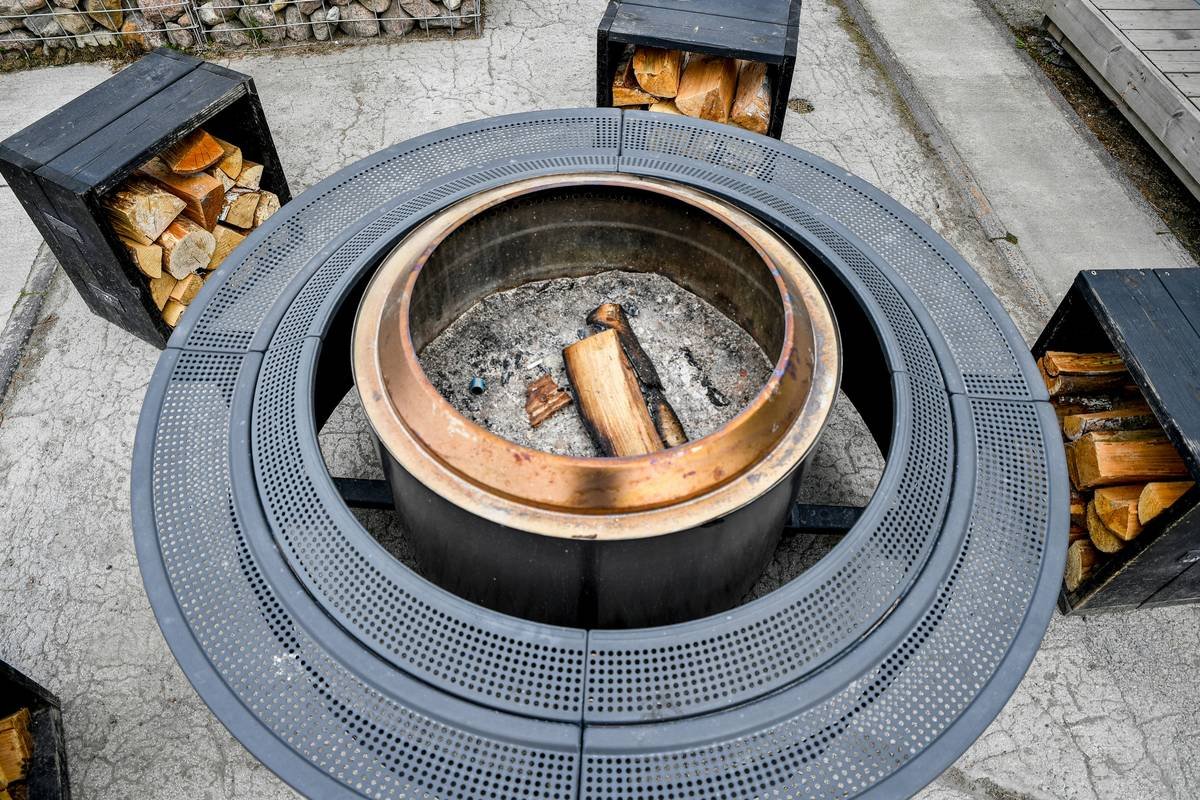
An outdoor fire pit box, by contrast, is a purpose-built hearth—typically square or rectangular—designed to integrate seamlessly into hardscaped patios. Think stone, concrete, or steel enclosures with proper ventilation, spark screens, and often gas or propane options for cleaner burning.
As a home improvement contractor who’s retrofitted over 80 backyards in the Pacific Northwest (where damp evenings demand year-round warmth), I can tell you: clients who invest in fire pit boxes report 3x more outdoor use post-installation. Why? Because it stops being “just a fire” and becomes a destination.
According to the National Fire Protection Association (NFPA), nearly 4,700 outdoor fires annually stem from recreational equipment—many due to improper clearance or unstable setups. A properly installed fire pit box reduces that risk dramatically by containing embers and enforcing safe distances.
How Do You Choose the Right Outdoor Fire Pit Box?
Optimist You: “Just pick the prettiest one!”
Grumpy You: “Ugh, fine—but only if it won’t burn my neighbor’s azaleas or violate city code.”
Here’s how to choose wisely:
What size fire pit box fits your space?
Rule of thumb: your seating circle should be 8–12 feet in diameter. For that, a 36”–48” fire pit box is ideal. Smaller than 30”? Barely warms two people. Larger than 60”? You’ll roast your guests’ faces while their backs freeze. I once spec’d a 72” box for a tiny urban courtyard—clients loved it until their insurance adjuster flagged it as a “commercial hazard.” Lesson learned.
Gas vs. Wood: Which fuel type suits your lifestyle?
- Wood-burning: Authentic crackle and scent—but requires ash cleanup, chimney-like airflow, and strict clearance (min. 10 ft from structures). Best for rural or large-lot homes.
- Natural gas/propane: Instant on/off, no smoke, minimal maintenance. Requires professional line installation (add $800–$2,500). Ideal for urban patios or HOA communities with burn bans.
Material matters—what lasts in your climate?
In rainy Seattle? Avoid untreated steel—it’ll rust faster than a ’98 Honda. Go for stainless steel, concrete, or stone veneer. In Arizona? Skip dark basalt—it absorbs heat and radiates it all night (great for warmth, terrible for bare feet). Light-colored limestone stays cooler.
What Fire Pit Furniture Actually Works (Without Melting)?
Confession: early in my career, I paired a gorgeous woven polyethylene sofa set with a wood-burning fire pit… without checking flame resistance ratings. Three weeks later, the arms were scorched brown. My client called it “distressed chic.” I called it a $1,200 mistake.
Here’s what actually works:
- Modular Sectionals (All-Weather Wicker): Look for frames with aluminum cores and UV-stabilized resin weave rated ASTM E84 Class A fire resistant. Brands like Outer and Polywood nail this.
- Teak or Eucalyptus Benches: Naturally oily hardwoods resist warping. Keep them at least 7 feet from flames—closer and the heat dries the wood, causing cracks.
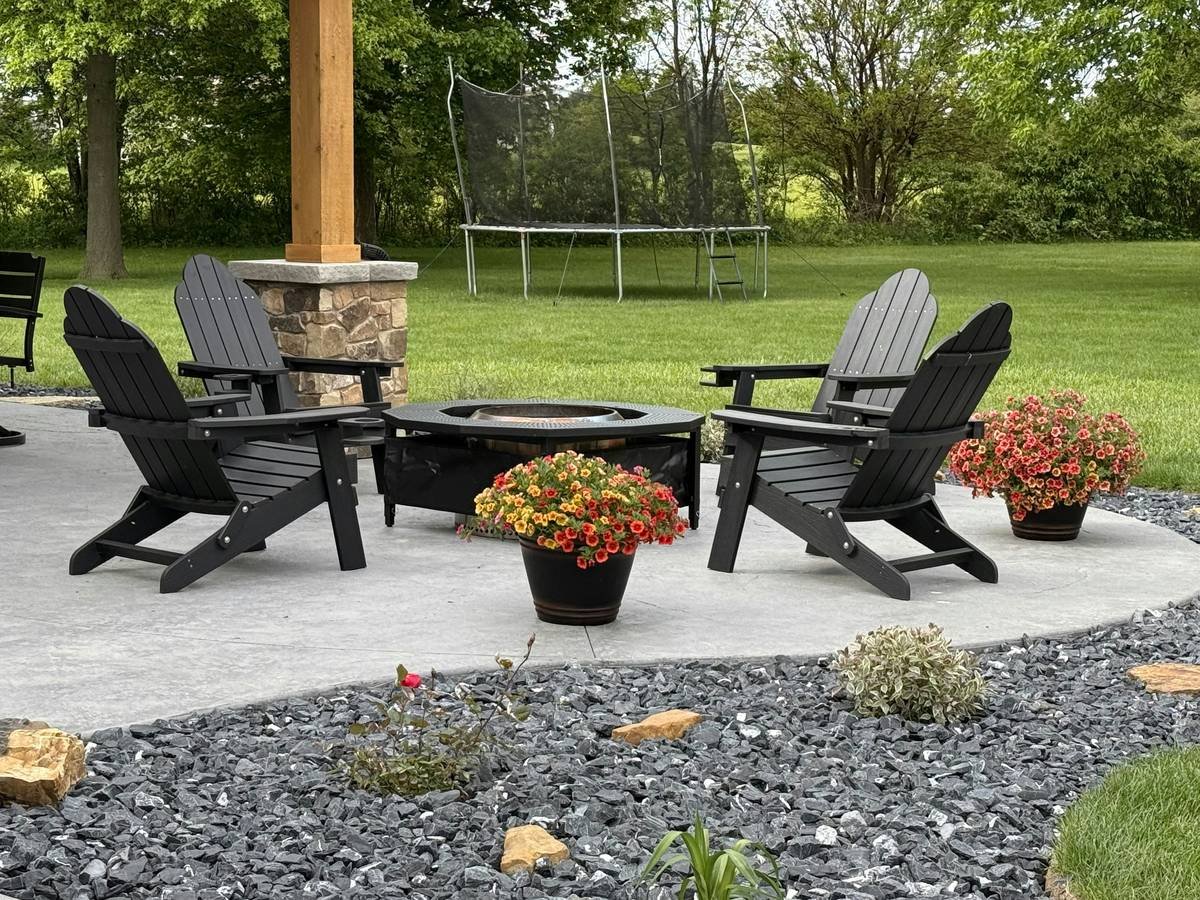
- Powder-Coated Steel Armchairs: Industrial-chic and indestructible. Bonus: many models include built-in side tables for mulled wine.
- Concrete or Stone Stools: Perfect for minimalist spaces. Double as footrests or impromptu drink holders.
Brutal honesty time: That $199 “patio loveseat” from Big Box Store? It’s probably made with polyester cushions and plastic frames. Within one season near a fire pit, it’ll fade, sag, and possibly off-gas toxic fumes when heated. Don’t do it.
Rant Section: My Pet Peeve
Why do so many “design influencers” style fire pits with floor cushions and throw blankets right next to open flames? One stray spark = Instagram reel ends in a 911 call. If your “cozy” setup wouldn’t pass a fire marshal’s inspection, it’s not cozy—it’s reckless.
Real Backyard Case Study: From Cold Concrete to Cozy Oasis
Last fall, we transformed a 12’x16’ backyard in Portland for the Rivera family. Their old setup: a rusty fire bowl on cracked concrete, surrounded by mismatched lawn chairs.
Our solution:
– Installed a 42” square concrete fire pit box with natural gas burner ($2,400 installed)
– Added L-shaped modular seating in charcoal all-weather wicker (Outer sofa)
– Positioned seats 8 feet from center—knee height aligned with pit rim
– Included a tempered glass wind guard to stabilize flames on gusty nights
Result? They now host weekly “fire chats” with neighbors. Their kids do homework outside until 7 p.m. The dog even naps on the heated stone ledge. Total transformation—not because of the fire, but because every element was chosen to work with it.
FAQs About Outdoor Fire Pit Boxes
How far should furniture be from an outdoor fire pit box?
The NFPA recommends a minimum of 10 feet from any combustible structure—including furniture. However, for comfort and radiant heat, 7–8 feet works if your seating is non-combustible (e.g., metal, stone, fire-rated wicker).
Can I put an outdoor fire pit box on a wooden deck?
Only with extreme caution. Most building codes prohibit open-flame devices on combustible decks unless elevated on non-combustible pavers with 18”+ clearance underneath. Even then, consult your local fire department first.
Do fire pit boxes need ventilation?
Yes! Wood-burning boxes require air intake vents at the base and exhaust above to maintain draft. Gas models need clearance around burners for oxygen flow. Never fully enclose a fire pit box—it can cause dangerous flare-ups or carbon monoxide buildup.
What’s the best shape for a fire pit box?
Square or rectangular boxes encourage conversation (everyone faces inward). Round pits favor ambient gazing. For dining + lounging combos, rectangles win—they fit neatly against retaining walls or house foundations.
Conclusion
An outdoor fire pit box isn’t just about heat—it’s about creating a magnetic hub where memories happen. But it only works if you marry safety, smart materials, and human-centered design. Skip the flimsy bowls. Ditch the meltable sofas. Invest in a system that’s engineered to last, comply, and connect.
Your future self—wrapped in a blanket, laughing under string lights while the fire pops softly—will thank you.
Like a Tamagotchi, your fire pit needs daily care: clean ashes, check gas lines, and never leave it unattended. 🔥