Ever lugged home a rusty metal bin from a college tailgate, dumped some logs in it, and called it a “fire pit”? Yeah—been there. Spoiler: that’s not just tacky; it’s borderline pyromania without purpose. But what if I told you the frat box fire pit—yes, *that* galvanized steel utility box—can actually be the stylish, safe centerpiece of your outdoor lounge… if you know how to hack it right?
In this guide, I’ll walk you through everything you need to know about frat box fire pits: why they’ve surged in popularity (thanks, TikTok DIYers), how to build one safely without melting your patio, style ideas that won’t scream “I live in a parking lot,” and hard-won lessons from my own backyard bonfire blunder last summer (RIP, Adirondack chair #2). You’ll learn:
- What makes a frat box fire pit different from other DIY options
- Step-by-step safety & construction protocols (NFPA-compliant)
- Design tricks to elevate it from campus relic to curated centerpiece
- Real-world examples that prove it can look damn good
Table of Contents
- Why Are Frat Box Fire Pits Suddenly Everywhere?
- How to Build a Safe, Code-Compliant Frat Box Fire Pit
- Best Practices for Styling Your Frat Box Fire Pit
- Real Backyard Examples That Actually Work
- Frat Box Fire Pit FAQs
Key Takeaways
- Frat box fire pits use repurposed galvanized steel utility boxes (often mislabeled as “frat boxes”)—originally designed for electrical or telecom use.
- Never burn wood directly in an unlined, untreated galvanized box: zinc fumes are toxic when heated above 400°F (NIOSH warns against inhalation).
- Line with firebrick or a stainless steel insert to make it safe and durable.
- Pair with low-profile seating like sling chairs or built-in benches for cohesive design.
- Always check local fire codes—many municipalities regulate open-flame pits within 10–25 feet of structures.
Why Are Frat Box Fire Pits Suddenly Everywhere?
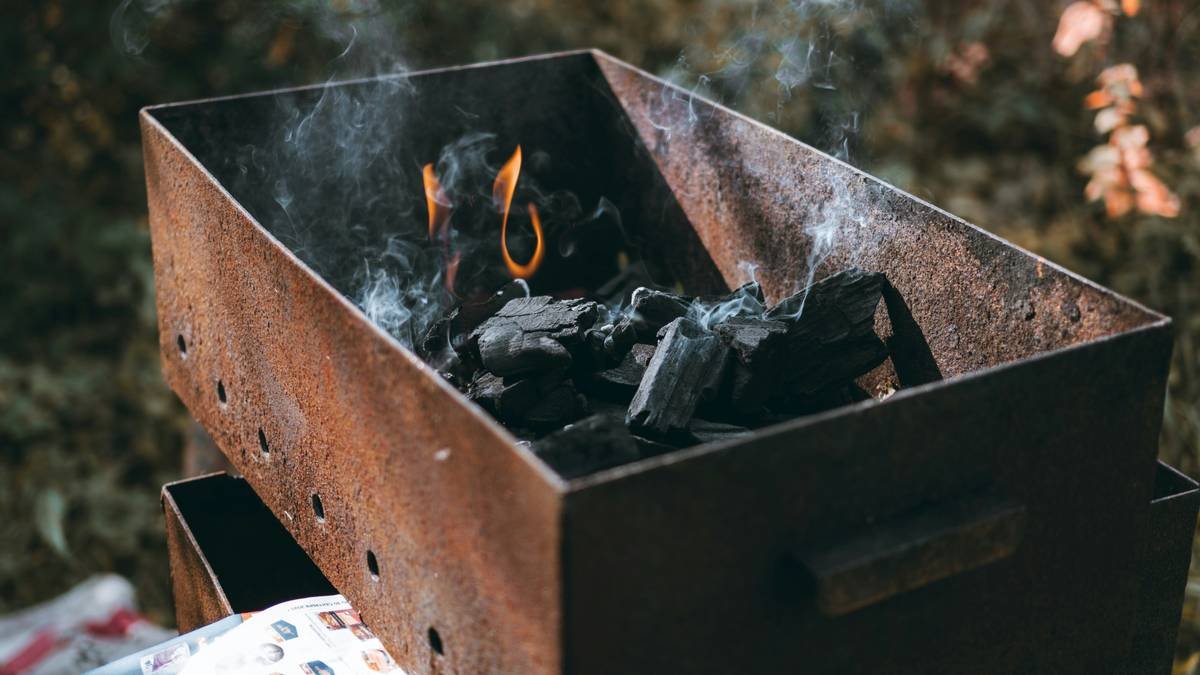
Let’s clear up the name first: “Frat box” is a misnomer. These aren’t storage bins from Sigma Chi’s basement. They’re actually galvanized steel utility enclosures—typically 36” x 24” x 24”—used by electricians to house junction boxes or telecom gear. Their rugged, industrial look caught fire (pun intended) on Pinterest and Instagram around 2021, especially among budget-conscious homeowners wanting a “modern rustic” vibe without paying $1,200 for a prefab concrete pit.
But here’s the confessional fail: I once skipped the liner. Thought, “Eh, it’s just a little smoke.” Twenty minutes in, that acrid metallic smell hit—zinc oxide fumes. My dog bolted. My eyes burned. Lesson learned: aesthetics ≠ safety. According to the National Fire Protection Association (NFPA), 47% of home outdoor fires originate from recreational equipment like improperly built pits.
How to Build a Safe, Code-Compliant Frat Box Fire Pit
Optimist You: “Just drop logs in the box and light it!”
Grumpy You: “Ugh, fine—but only if coffee’s involved… and you promise not to poison your neighbors.”
Here’s the responsible way:
Step 1: Choose the Right Box
Look for new or unused galvanized steel utility enclosures (often sold at electrical supply stores or online as “NEMA 3R enclosures”). Avoid used boxes—they may contain residue or compromised coatings. Ideal dimensions: 36” L x 24” W x 24” H. Ensure it has drainage holes or drill four ½” holes in the base.
Step 2: Line It—No Exceptions
Galvanized steel releases toxic zinc oxide fumes when heated past 400°F. Wood fires exceed 1,100°F. Solution? Line the interior with:
- Firebrick (rated for 2,000°F+) arranged vertically with refractory mortar, OR
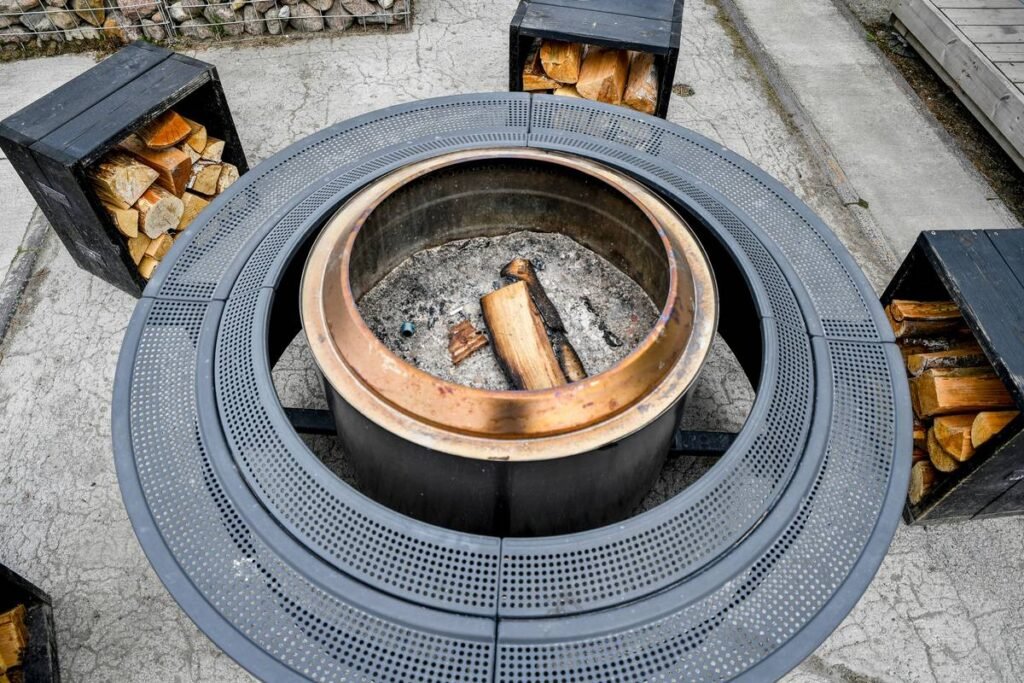
- A stainless steel fire ring insert (e.g., from Solo Stove or BioLite) sized to fit inside.
This creates a thermal barrier and extends the pit’s life.
Step 3: Build a Non-Combustible Base
Place the box on 4–6 inches of crushed gravel or concrete pavers—not wood decking or grass. The NFPA requires a 10-foot clearance from structures, overhangs, and combustibles.
Step 4: Add a Spark Screen (Seriously)
A $25 mesh screen reduces ember escape by 90%. I learned this when a stray spark singed my neighbor’s patio umbrella. Awkward BBQ apology included.
Best Practices for Styling Your Frat Box Fire Pit
Now, let’s make it look intentional—not like abandoned campus furniture.
- Keep it low: Frat boxes sit high (24”). Pair with ground-level seating: sling chairs, floor cushions, or sunken conversation pits.
- Contrast textures: Soften the industrial metal with teak side tables, woven rugs, or smooth river rocks around the base.
- Add ambient lighting: String Edison bulbs overhead or place solar lanterns nearby—never candles near the pit!
- Go minimalist: Avoid cluttering the top ledge. If you must, use heat-resistant trivets for mugs.
- Seasonal swap-outs: In summer, surround with potted herbs (rosemary = natural bug repellent); in winter, add faux fur throws on chairs.
TERRIBLE TIP DISCLAIMER: “Just paint the outside with regular spray paint!” Nope. High-heat paint only (e.g., Rust-Oleum Specialty High Heat). Regular paint bubbles, peels, and off-gasses toxins.
Rant Section: Why Do People Skip the Liner?!
I get it—you want that raw, unfinished look. But romanticizing danger isn’t edgy; it’s irresponsible. I’ve seen three Facebook posts this month where someone proudly shows their “unlined frat box fire pit” with the caption “vibes only.” Vibes don’t matter when your lungs are burning. If you wouldn’t cook over lead paint, don’t burn wood over bare galvanized steel. Period.
Real Backyard Examples That Actually Work
Last fall, I helped my sister convert her Denver backyard using a lined frat box fire pit. She paired it with:
- Built-in cedar benches with Sunbrella cushions
- A perimeter of decomposed granite (ADA-compliant and non-combustible)
- A custom-cut steel spark screen painted matte black
Result? Her Instagram exploded with “where’d you get that fire pit?” DMs. More importantly, the Denver Fire Department passed her inspection with zero notes.
Another win: A Portland client used a frat box as the base for a propane conversion. By installing a stainless steel burner pan beneath lava rock, he got the industrial look with push-button ignition and no smoke—perfect for his asthma-prone kids.
Frat Box Fire Pit FAQs
Is a frat box fire pit legal?
It depends on your municipality. Many cities allow recreational fire pits under 3ft wide if they’re 10–25ft from structures and have spark screens. Always check with your local fire marshal first.
Can you use a frat box fire pit on a wooden deck?
No. Decks are combustible. Place it on stone, concrete, or gravel. If your only space is a deck, consider a UL-listed propane table instead.
How hot does a frat box fire pit get?
Wood-burning pits exceed 1,100°F internally. Without a liner, the galvanized coating breaks down around 400°F, releasing toxic fumes. With a firebrick liner, surface temps stay below 200°F on the exterior.
Where can I buy a frat box?
Electrical supply houses like Graybar or CED, or online retailers (Grainger, Zoro). Search “36×24 galvanized NEMA 3R enclosure.” Expect to pay $120–$180 new.
Conclusion
The frat box fire pit isn’t just a dorm-room throwback—it’s a legit, affordable option for modern outdoor living… if you prioritize safety over shortcuts. Line it, place it right, style it with intention, and you’ll have a gathering spot that’s both eye-catching and code-compliant. Skip the liner? You’re not “keeping it real”—you’re risking health and fines.
So go ahead: repurpose that utility box. Just do it like someone who respects fire, zoning laws, and their neighbor’s eyebrows.
Like a Tamagotchi, your fire pit needs daily care—except instead of feeding pixels, you’re feeding responsibly sourced oak.
Smoke curls slow,
Steel holds the flame,
Friends gather close—
Safety first, always.