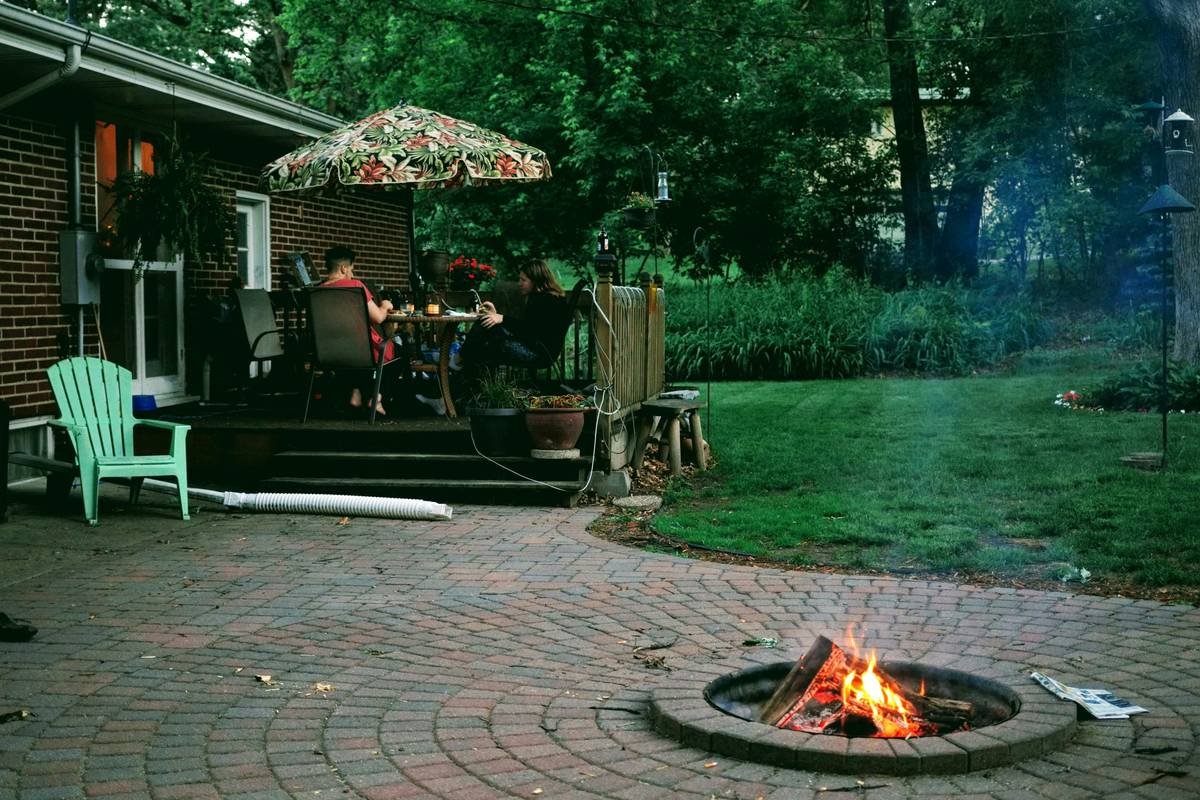
You want the warmth. The crackle. The late-night conversations under stars. But you’ve seen too many backyard “fire pits” that are either death traps wrapped in cheap pavers—or over-engineered eyesores that cost more than your patio furniture. Here’s the fix: building a fire pit isn’t about brute force or Pinterest perfection. It’s about smart choices that blend safety, style, and sanity.
Why Most DIY Fire Pits Fail Within a Year
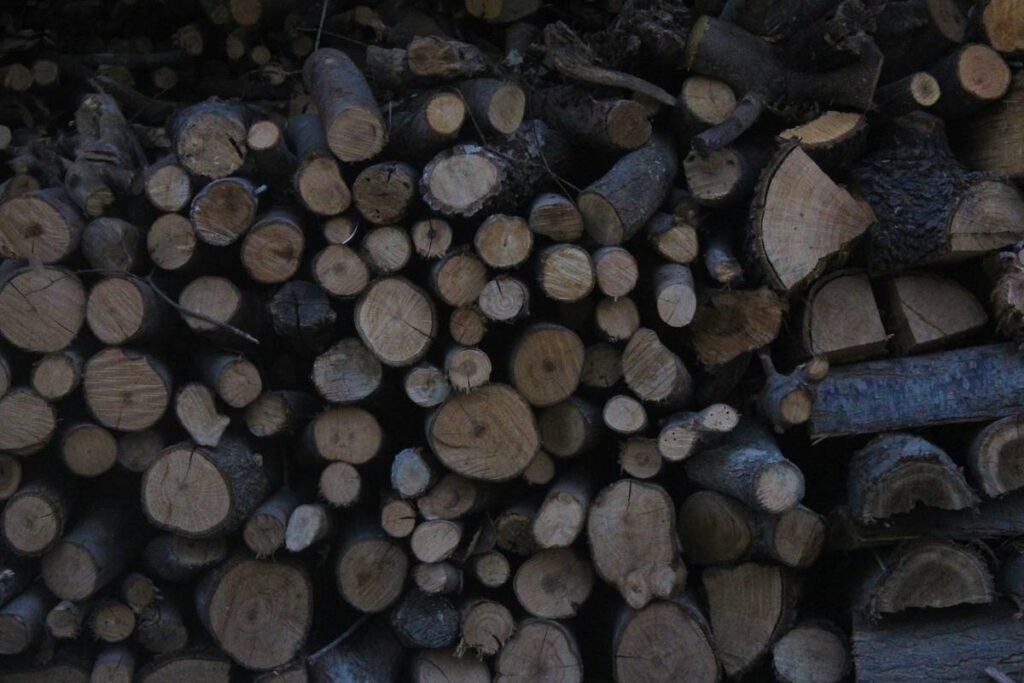
They skip foundation prep. Or use river rock that explodes when heated. Or nestle the pit six feet from cedar siding because “it looked cozy.” And—worst of all—they forget storage.
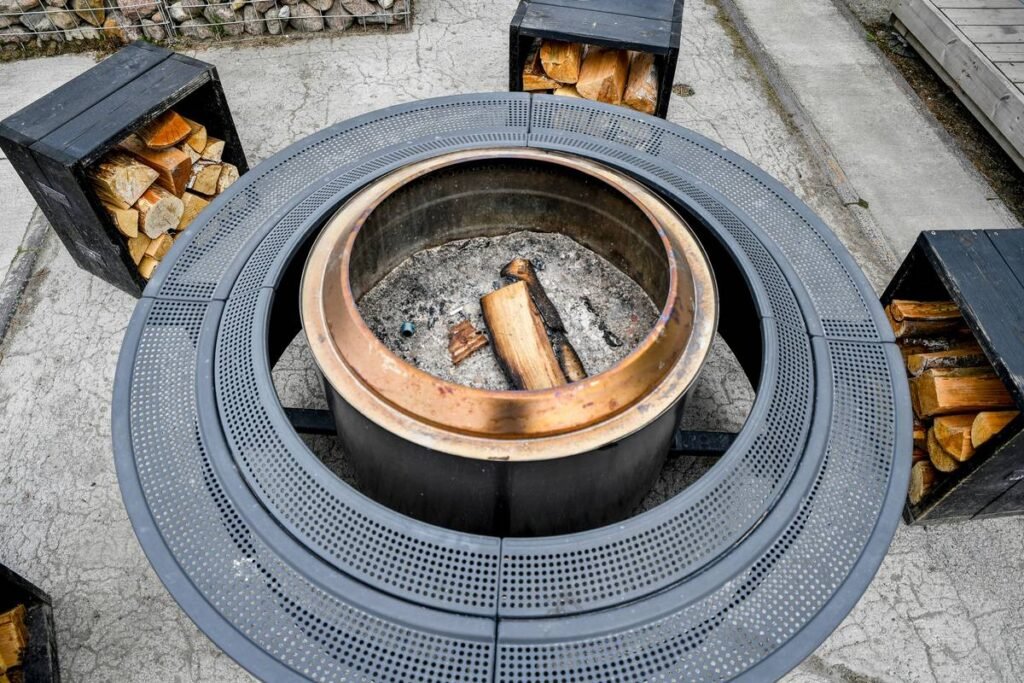
Fire pit furniture isn’t just chairs—it’s where you stash tools, covers, and firewood between burns. Ignore this, and your sleek setup becomes a cluttered hazard zone by summer’s end.
building a fire pit: Your No-B.S. Step-by-Step Blueprint
Location First, Looks Later
Pick a spot at least 10 feet from structures, overhangs, and dry brush. Check local codes—some municipalities ban open flames outright in subdivisions. Yes, really.
Choose Liner Over Loose Stone
A steel or firebrick liner contains heat, prevents shifting, and lasts decades. Skip it? You’re gambling with structural integrity every time you light up.
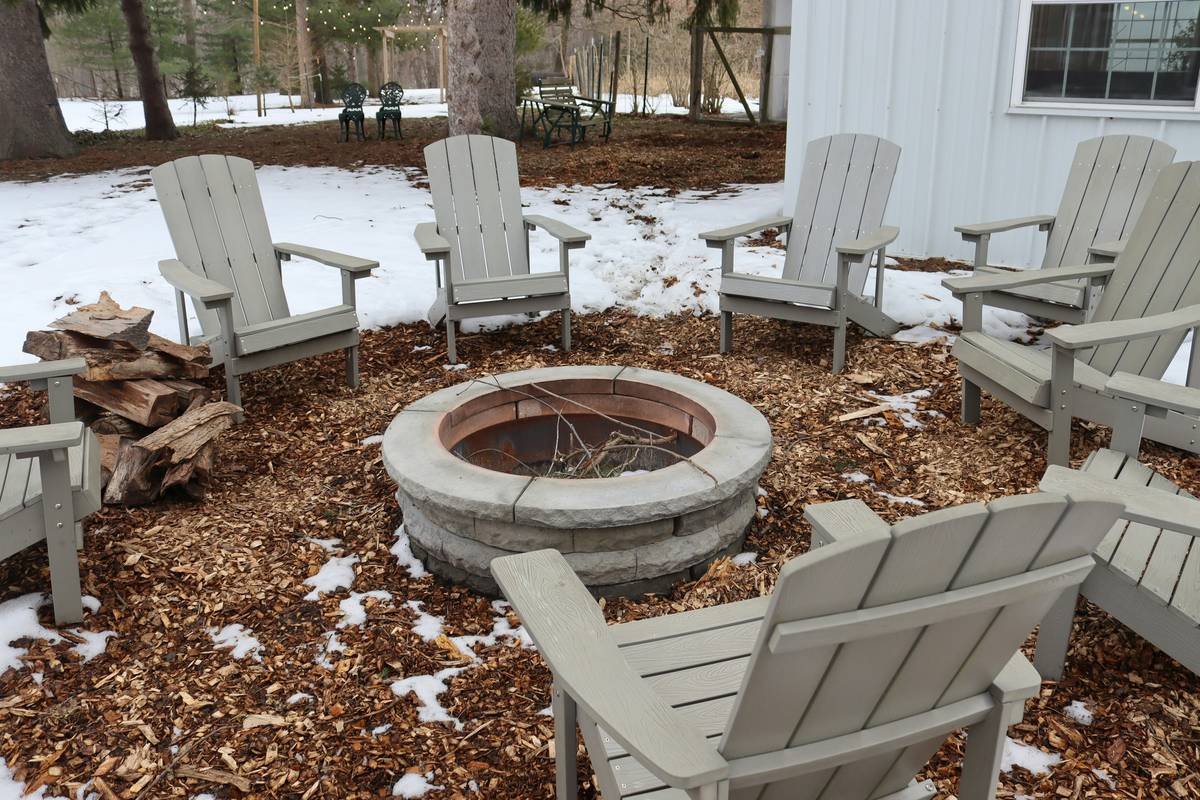
Integrate Furniture With Storage Built In
This is where amateurs stall. Instead of dragging a wobbly side table out each time, embed storage into your seating. Think benches with lift-up lids or side cabinets disguised as planters. Keeps fire pokers, glass beads, and weather covers within arm’s reach—and off the lawn.
| Approach | Avg. Cost | Durability | Storage Integration |
|---|---|---|---|
| Prebuilt Kit (Concrete Rings) | $250–$600 | Moderate (5–8 years) | None — add-ons cost extra |
| Custom Masonry (Firebrick + Steel Liner) | $1,200–$3,500 | High (15+ years) | Built-in benches with hidden compartments |
| DIY Paver Stack (No Liner) | $100–$300 | Low (1–3 years; risk of collapse) | Zero — unsafe near flammables |
The Industry Secret: Your Fire Pit Should Disappear When Not in Use
Top-tier landscape architects design fire features that “vanish” visually during off-seasons. How? By matching hardscape materials to your existing patio and using modular fire pit furniture that doubles as everyday seating. A teak bench with a sealed compartment doesn’t scream “fire zone”—it just looks like elegant outdoor furniture. But flip the lid, and there’s your ash bucket, cover, and kindling. This duality keeps your yard looking curated year-round—not like a seasonal campsite.
And here’s the kicker: property appraisers notice. A clean, multifunctional fire area can boost perceived home value by 3–5% in suburban markets. Chaos around a scorch-marked stone ring? That’s a red flag.
Frequently Asked Questions
Do I need a permit to build a fire pit?
Often yes—especially in urban or drought-prone areas. Check with your local fire department first. Skipping this could mean fines or forced removal.
Can I use regular concrete blocks?
No. Standard cinder blocks trap moisture and can spall or explode under high heat. Always use fire-rated brick or a metal liner.
How close can patio furniture be to the pit?
Minimum 3 feet for non-combustible materials (metal, stone). For wood or fabric-covered pieces, stay at least 6 feet back—embers travel farther than you think.