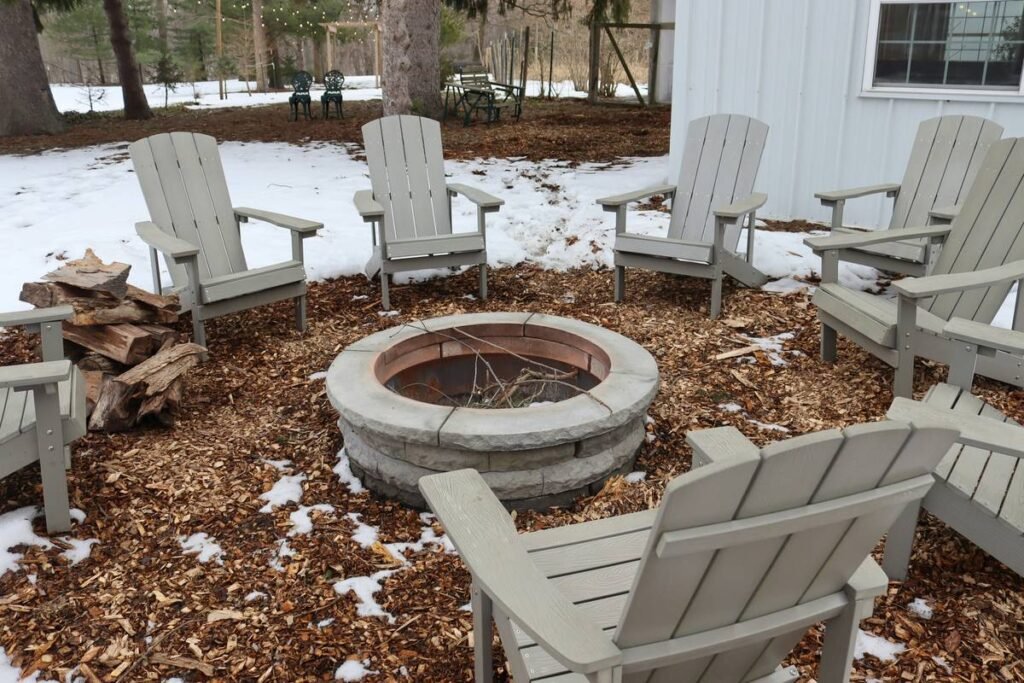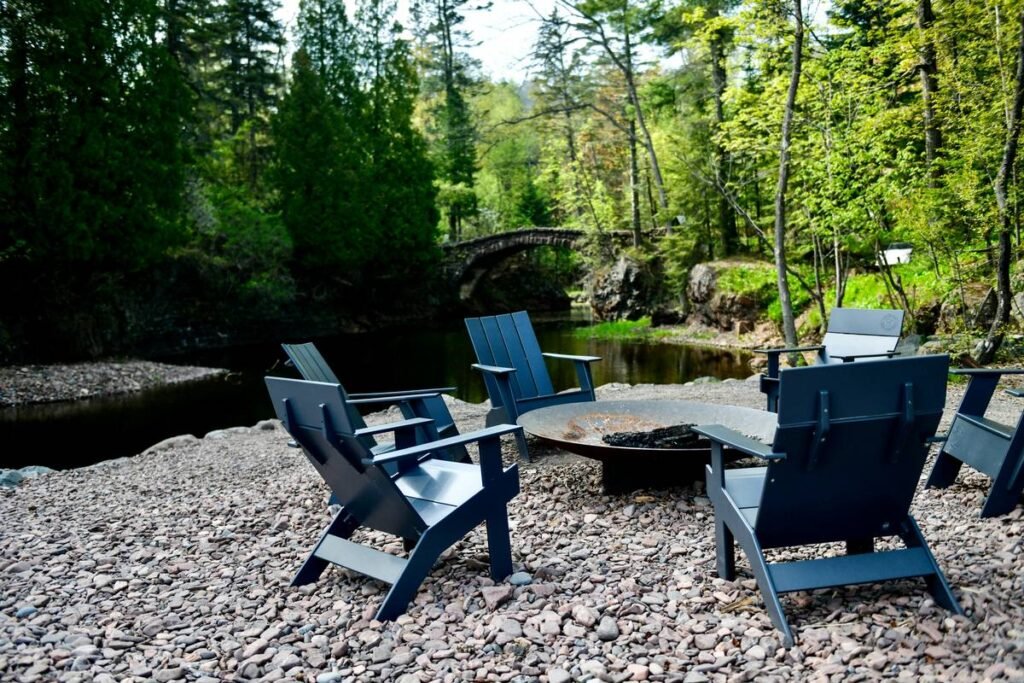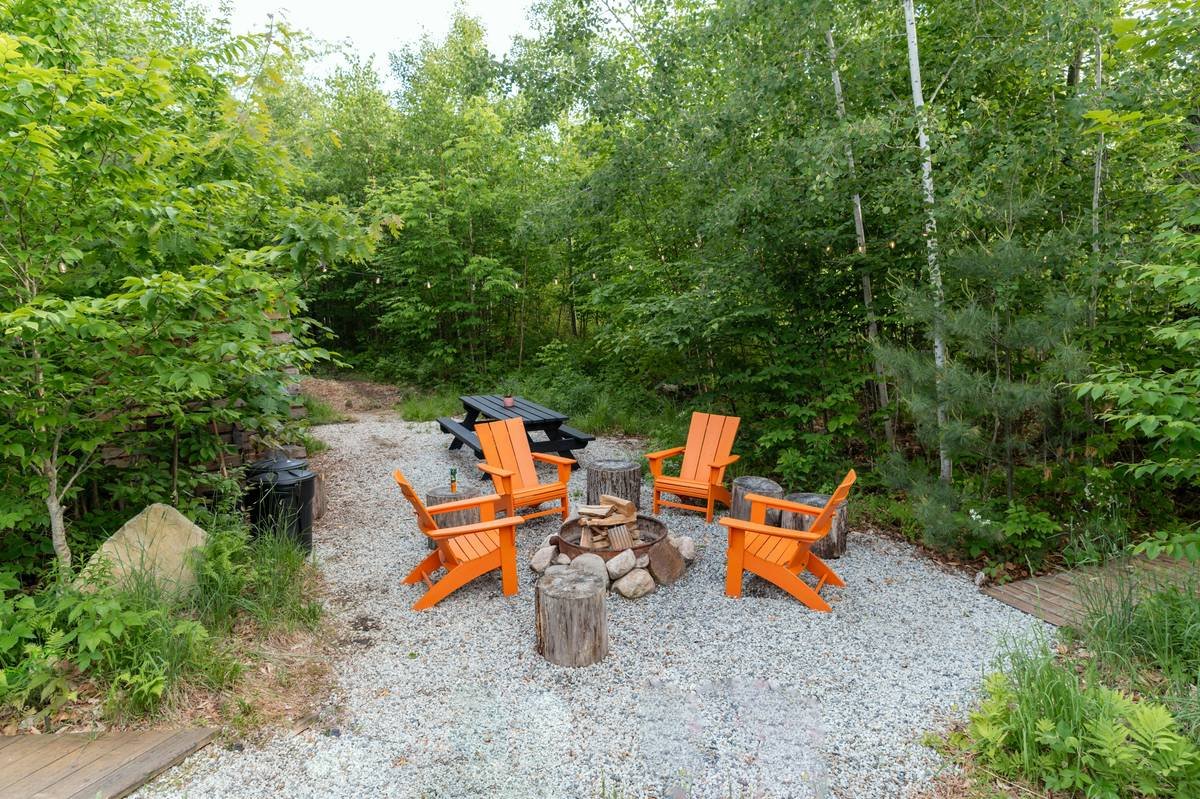
Your backyard fire pit blazes beautifully—but everyone’s crammed onto mismatched lawn chairs or perched on cold concrete. It’s uncomfortable, uninviting, and kills the vibe fast. You didn’t invest in a fire feature just to watch guests shiver or squirm. The real solution? Purpose-built fire pit garden furniture designed for warmth, comfort, and conversation that lasts past dessert.
Why Generic Patio Sets Fail Around Fire Pits
Most outdoor furniture is engineered for sun-soaked afternoons—not radiant heat zones. Place standard wicker or metal near open flame, and you’ll face warping, fading, or worse: accidental burns from overheated frames. And let’s be honest—slippery sling chairs don’t encourage lingering. People lean away from the fire to avoid scorching their shins. The result? A disconnected gathering where no one feels cozy enough to stay.
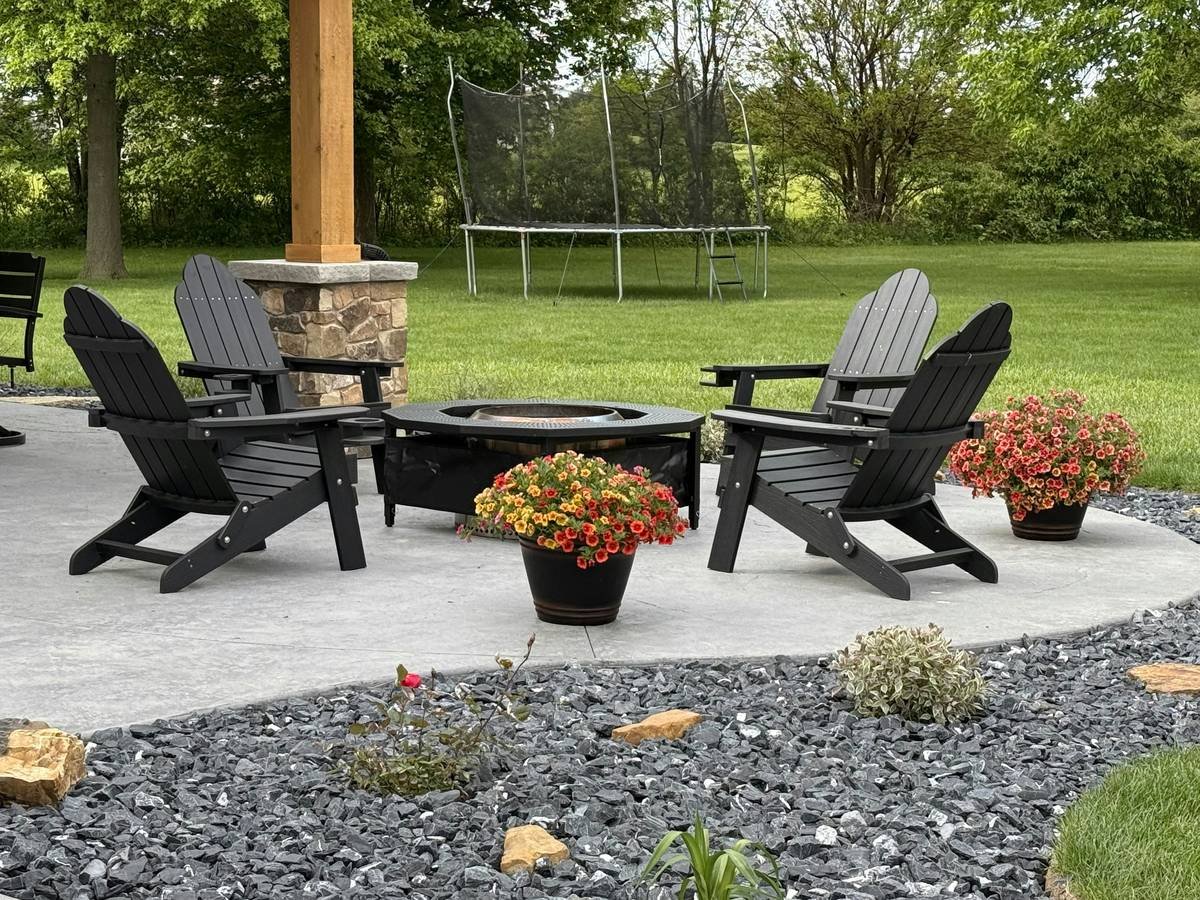
Fire pits demand seating that arcs inward, sits low enough for eye contact, and uses heat-resistant materials. Ignoring this isn’t just a style miss—it’s a functional flaw.
Choosing & Arranging fire pit garden furniture: A No-BS Blueprint
Forget cookie-cutter layouts. Your setup should reflect how real people gather: leaning in, passing drinks, sharing stories without straining necks or backs.
Material Matters More Than You Think
Teak and powder-coated steel dominate—but here’s what retailers won’t tell you: concrete composite is rising fast. It stays cool to the touch even after hours of direct flame exposure. Aluminum looks sleek but conducts heat like a frying pan. Choose wisely.
Seating Distance Isn’t Arbitrary
Too close? Risk singed sleeves. Too far? Lose the warmth. The sweet spot: 30–42 inches from the fire’s edge. That’s close enough for radiant heat to wrap around you—but safe enough for marshmallow duty.
Modularity Beats Fixed Sets Every Time
Rigid sofas lock you into one configuration. Real life needs flexibility. Opt for individual chairs or modular loveseats on casters—they pivot, rotate, and reconfigure as your guest list changes. Spontaneous? Good. Your furniture should be too.
| Furniture Type | Heat Resistance | Avg. Cost Range | Best For |
|---|---|---|---|
| Concrete Composite Benches | Excellent (stays cool) | $400–$900 | Permanent installations, modern yards |
| Heavy-Duty Steel Chairs | Good (with ceramic coating) | $250–$600 | Rustic or industrial styles |
| Modular Wicker Sectionals | Fair (keep 36″+ away) | $800–$1,800 | Larger gatherings, casual lounging |
| Reclaimed Wood Stools | Poor (not recommended within 30″) | $100–$250 | Accent pieces only |
The Industry Secret: “The Warm Seat” Effect
Here’s something most designers ignore: people gravitate toward the warmest seat—and stay there. It’s behavioral physics. If one chair soaks up and radiates heat better than others, it becomes the de facto “power seat.” Smart layouts exploit this by using thermal mass materials (like stone or concrete) on at least two sides. This creates dual anchor points—balancing conversation instead of funneling everyone into a single hot spot. Test it yourself: place identical chairs on wood decking vs. stone pavers near your pit. Watch where guests naturally settle. The math is simple: warmth = attention. Design for it.
FAQ
What is the best material for fire pit garden furniture?
Powder-coated steel, concrete composite, or heat-treated teak. Avoid plastics, untreated woods, and thin metals that retain excessive heat.
How far should seating be from a fire pit?
Ideal distance is 30 to 42 inches from the fire’s edge. This balances warmth, safety, and ease of interaction without risk of sparks or overheating.
Can I use indoor furniture around an outdoor fire pit?
No. Indoor pieces lack UV resistance, moisture protection, and heat tolerance. They’ll degrade quickly—or become a fire hazard. Always use outdoor-rated, fire-safe designs.