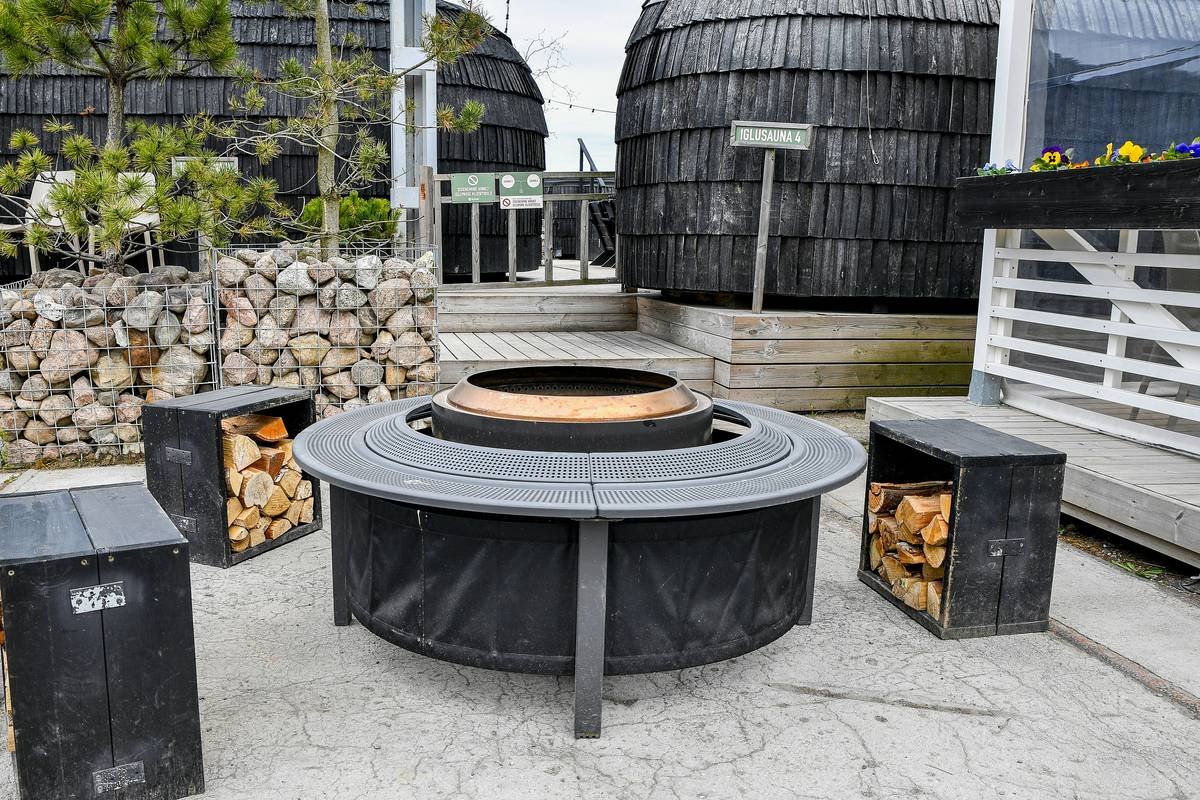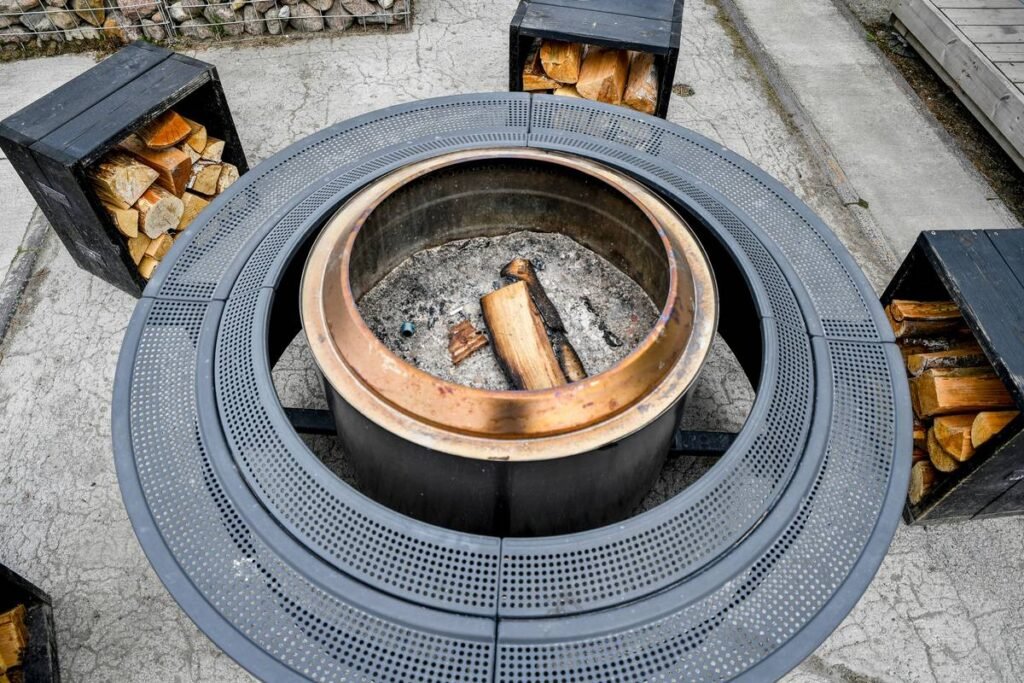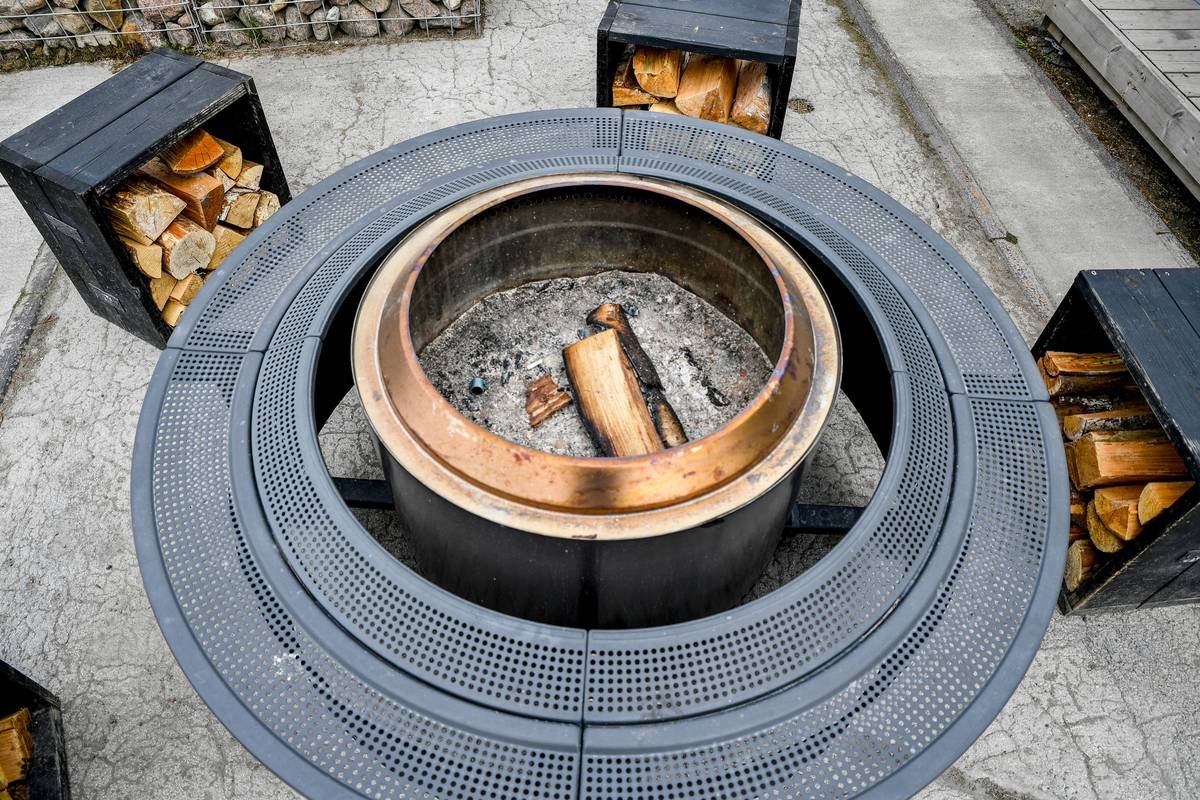
You’ve seen the Pinterest-perfect fire pits—glowing, symmetrical, surrounded by plush seating. But here’s the problem: most plans for a fire pit ignore one glaring reality—clutter. Ashes spill. Logs rot in rain. Tools vanish under patio cushions. And suddenly, your “cozy” backyard feels like a junkyard. The fix? Fire pit furniture that stores everything while looking intentional—not afterthought.
Why Most Fire Pit Plans Fail Outdoors
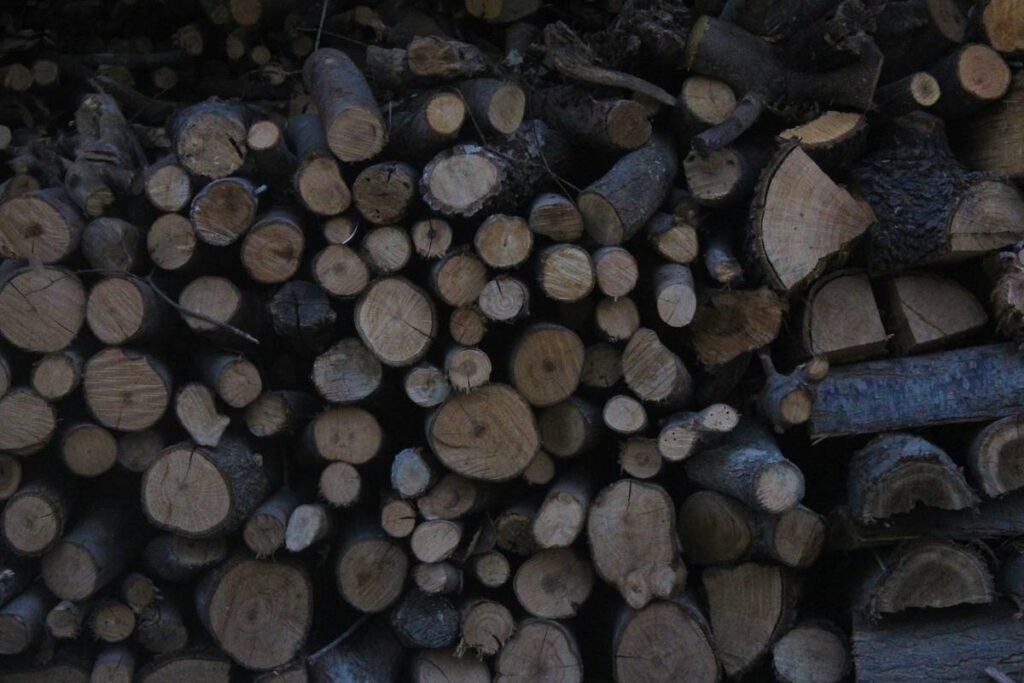
They’re built for aesthetics, not entropy. Wood gets damp. Metal rusts. Covers blow away. And if your fire pit isn’t integrated with storage—built-in log racks, hidden ash drawers, or seat compartments—you’re fighting chaos every time you light a match.
Sure, you can buy a $900 “all-in-one” unit. Or… you can design smarter from day one. The real issue isn’t cost. It’s lack of foresight in the initial plans.
How to Build Fire Pit Furniture with Built-In Storage
Forget bolt-on solutions. Embed utility into the structure itself. Here’s how:
Select Your Base Material Wisely
Concrete blocks? Cheap but porous. Steel? Sleek but prone to rust without proper coating. Opt for weather-resistant composites or powder-coated aluminum frames—they last longer and support integrated storage cavities without warping.
Design Zones, Not Just Seats
A bench should do more than hold weight. Hollow the interior. Add removable slats. Store firewood underneath. Or line the perimeter with modular bins for kindling, tools, and even blankets. Function follows form—only if you plan it that way.
Integrate the Fire Pit, Don’t Just Place It
The pit itself should sit flush within the furniture layout—not plopped in the center like an afterthought. Consider recessed pits flanked by L-shaped benches with under-seat bins. Or circular units with radial storage wedges.
| Storage Integration Method | Cost Range (USD) | Durability (Years) | Best For |
|---|---|---|---|
| Hollow Concrete Benches | $150–$400 | 10–15 | Permanent installations; DIYers with masonry skills |
| Modular Metal Frames with Bins | $300–$700 | 7–10 | Flexible layouts; urban patios with limited space |
| Composite Decking Units w/ Compartments | $500–$1,200 | 12–20 | High-end builds; low-maintenance priorities |
The Industry Secret: “Negative Space” Is Your Best Asset
Most designers obsess over what to add. Pros focus on what to carve out. Here’s the truth: the most effective fire pit storage hides in plain sight—within the negative space between seating elements. Think about it. That 8-inch gap between two benches? Line it with a galvanized steel tray on sliders. Instant tool storage. The void under a curved bench? Perfect for a waterproof ash bin. The math is simple: every cubic inch not used for structure can become functional volume—if your plans for a fire pit account for it upfront.
I once worked with a client who welded subtle recesses into bench arms—just deep enough for tongs and lighters. Guests never noticed. But usability? Night-and-day difference.
Frequently Asked Questions
Can I add storage to an existing fire pit?
Yes—but retrofitting is messy. You’ll need custom brackets or freestanding carts. Better to design storage into new plans for a fire pit from the start.
What’s the safest material for fire pit storage compartments?
Non-combustible materials only. Use steel, stone, or cement board liners. Never store wood directly against heat sources—maintain at least 18 inches of clearance.
Do fire pit tables with storage get too hot to touch?
Poorly designed ones do. Opt for units with air gaps or insulated walls between the fire chamber and storage zones. Test surface temps before finalizing your build.