Ever hosted a cozy backyard fire night—only to have your neighbor knock on the door because sparks landed in their dry mulch? Or maybe you’ve stared at that gorgeous fire pit set online, only to realize it doesn’t meet local safety codes? You’re not alone. In fact, the U.S. Fire Administration reports over 5,000 outdoor fire incidents annually—many tied to improper enclosures or placement. Ouch.
If you love the idea of crackling flames under starry skies but dread the liability, eyesores, or wasted cash on the wrong setup, this post is your lifeline. We’ll break down exactly what an outdoor fire pit enclosure is, why it’s non-negotiable for safety and aesthetics, and how to choose one that blends seamlessly with your fire pit furniture style—from rustic Adirondack sets to sleek modern loungers.
You’ll learn:
- Why “just a ring of stones” isn’t enough (legally or safely)
- How to match your enclosure material to your furniture type and climate
- Real-world mistakes to avoid (like my own $600 blunder with galvanized steel)
- Local code red flags that could shut down your dream patio
Table of Contents
- Why You Absolutely Need an Outdoor Fire Pit Enclosure
- How to Choose the Right Enclosure for Your Furniture Style
- Best Practices for Installation & Maintenance
- Real-World Case Study: Modern vs. Rustic Setups
- FAQs About Outdoor Fire Pit Enclosures
Key Takeaways
- An outdoor fire pit enclosure isn’t just decorative—it’s a legal safety requirement in most municipalities.
- Materials like fire-rated concrete, natural stone, or powder-coated steel outperform wood, plastic, or untreated metal.
- Your enclosure height should be 6–12 inches above the fire bowl to contain embers without blocking views.
- Always check local fire codes (NFPA 1 and IRC Section R302.1 are good starting points) before purchasing.
- Match enclosure style to your furniture: clean lines for modern sets, textured stone for farmhouse or boho.
Why Do I Even Need an Outdoor Fire Pit Enclosure?
Let’s be brutally honest: calling your fire pit “safe” because it’s “in the backyard” is like calling a toddler “self-sufficient” because they can open snack packs. Nope. Without a proper outdoor fire pit enclosure, you’re playing Russian roulette with flying embers, wind gusts, and curious pets or kids.
I learned this the hard way in 2021. I’d installed a beautiful propane fire table with woven resin chairs (very West Elm-core). But I skipped the enclosure—reasoning that the flame was “contained.” One windy October evening, a stray ember ignited the synthetic rug underneath. Smoke. Panic. $600 in ruined furniture. And a stern visit from the local fire marshal citing International Residential Code (IRC) Section R302.1, which mandates non-combustible materials within 10 feet of any open flame.
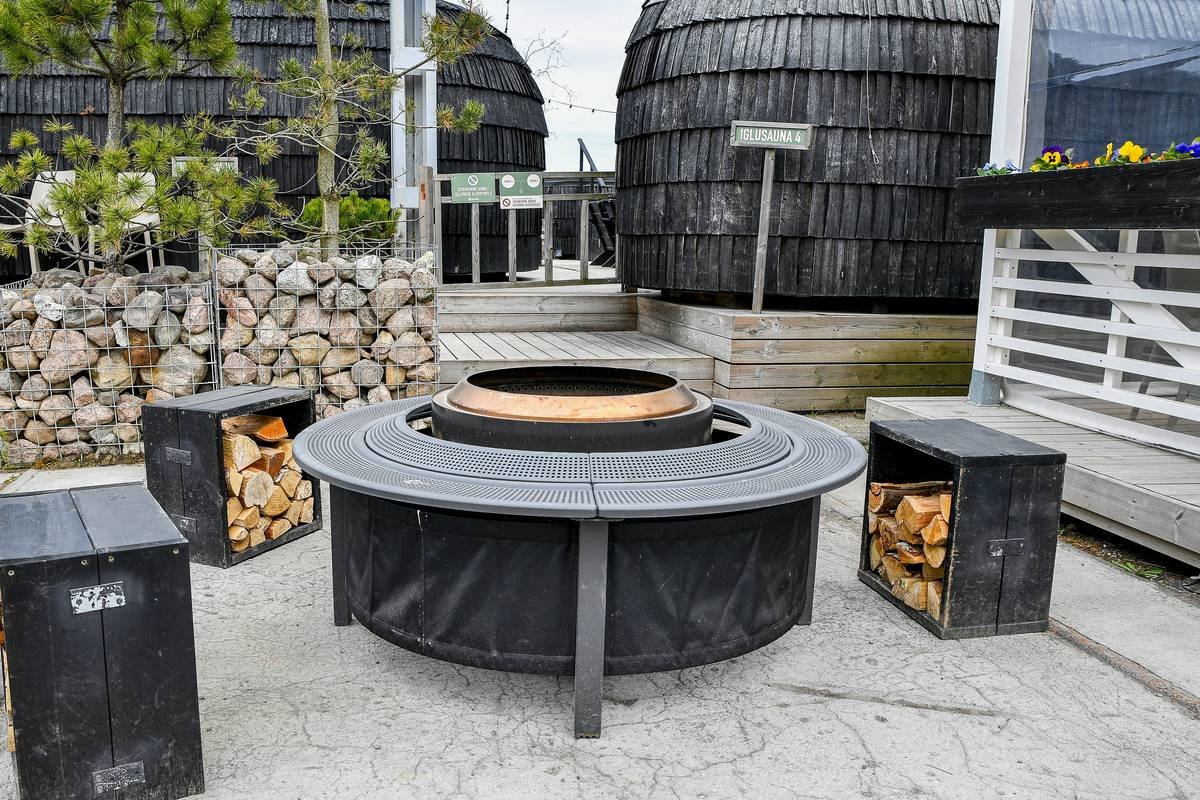
The truth? An enclosure does triple duty:
- Safety: Contains sparks and reduces radiant heat exposure.
- Compliance: Meets NFPA 1 and local building codes (required for insurance coverage).
- Aesthetics: Creates a visual “frame” that elevates your entire fire pit furniture arrangement.
And yes—this applies even to gas fire pits. While they produce fewer embers, their high BTU output still demands non-combustible surrounds. The National Fire Protection Association (NFPA) states that any fuel-burning appliance must be separated from combustibles by at least 36 inches—unless protected by a listed thermal barrier (NFPA 54, 2023 edition).
How Do I Pick an Enclosure That Matches My Fire Pit Furniture?
Think of your enclosure as the rug that ties the room together—but for your patio. It shouldn’t clash with your $2,000 teak sectional or your vintage wrought-iron bistro set. Here’s how to harmonize form and function:
What Material Works Best With Modern Minimalist Furniture?
Optimist You: “Go sleek! Brushed steel or blackened concrete!”
Grumpy You: “Only if you live somewhere humidity hasn’t heard of rust. Ugh, fine—but seal that steel twice a year.”
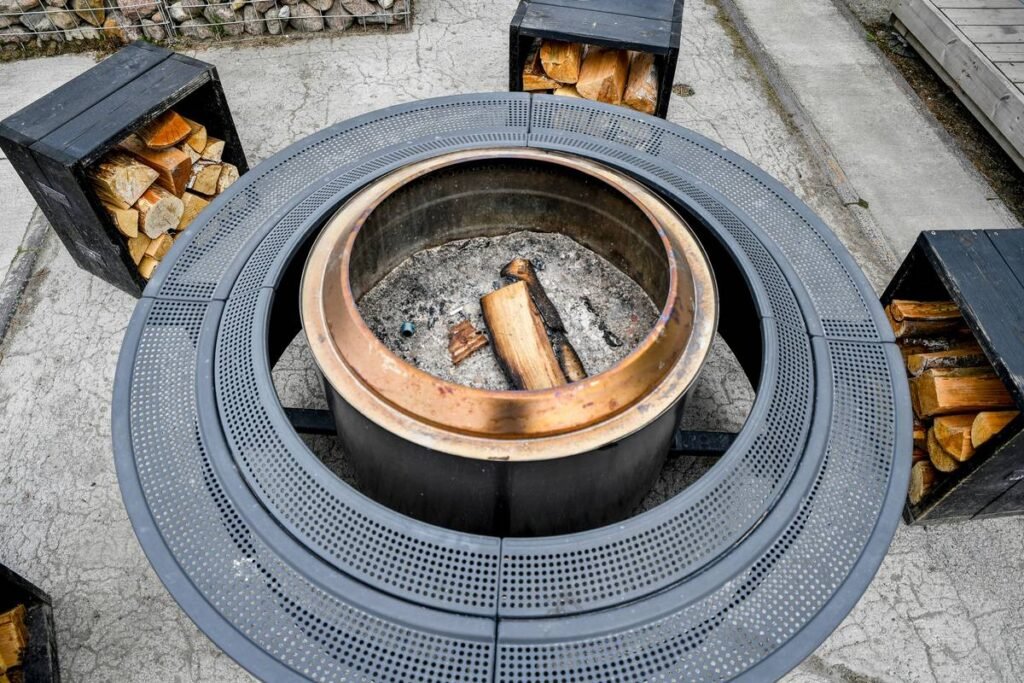
Modern fire pit furniture (think low-profile aluminum frames, sling fabrics, geometric shapes) pairs beautifully with smooth, monolithic enclosures. Opt for:
- Powder-coated steel (look for ASTM A123-certified for corrosion resistance)
- Cast concrete with integral color (no paint to peel)
- Porcelain tile rated for exterior use (PEI Class IV or V)
Avoid shiny stainless unless you love fingerprint smudges and water spots. Trust me—I’ve wiped down a brushed-nickel enclosure after every summer rain. Sounds like your laptop fan during a 4K render—whirrrr.
What Enclosure Complements Rustic or Farmhouse Styles?
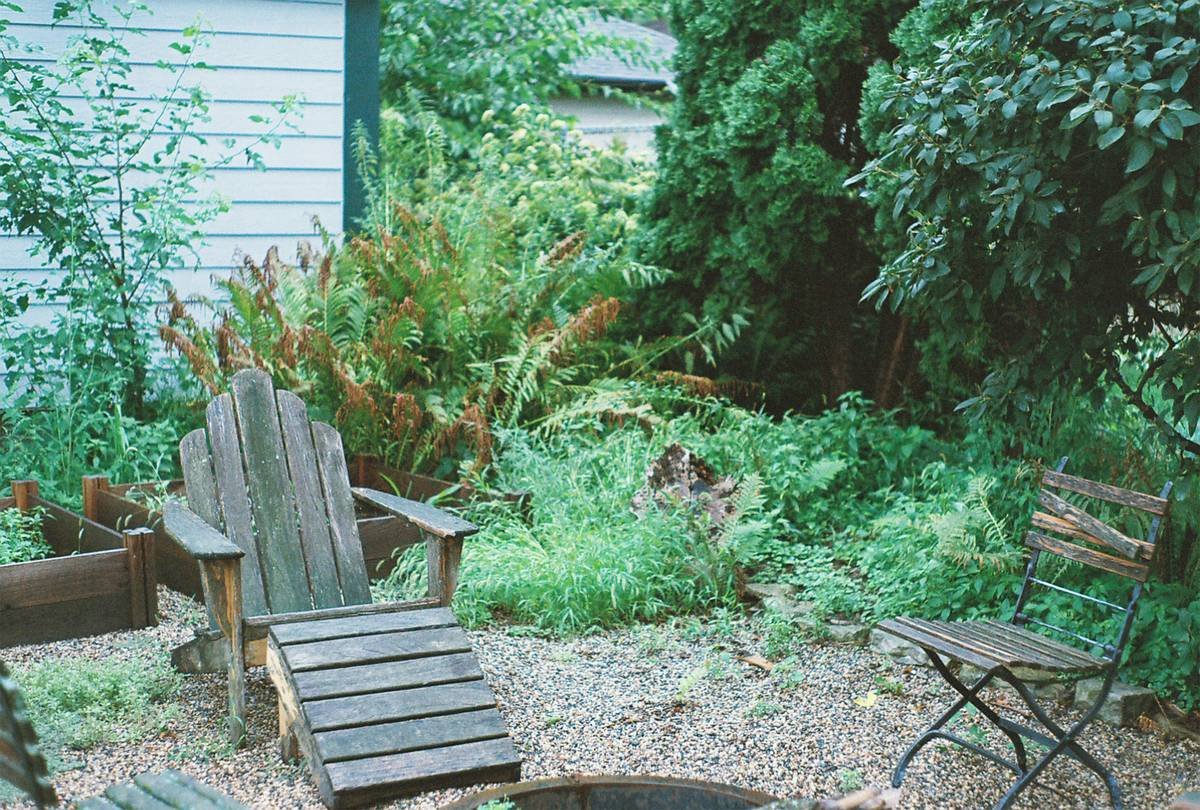
For Adirondack chairs, reclaimed wood benches, or wicker sets, go tactile. Think stacked stone, weathered brick, or tumbled travertine. These materials age gracefully and echo the organic vibe of your furniture.
Pro tip: Use the same stone veneer on your enclosure that wraps your outdoor kitchen or retaining wall. Creates visual continuity that interior designers charge $200/hour for.
What Are the Must-Follow Best Practices?
Here’s where most DIYers trip up—not with style, but installation. Follow these non-negotiables:
- Maintain clearance: Keep all combustibles (including furniture legs!) at least 36″ away unless your enclosure is tested as a thermal barrier.
- Height matters: Enclosures should rise 6–12″ above the fire bowl rim. Too low = embers escape. Too high = blocks sightlines and conversation.
- Drainage is key: If using stone or concrete, slope the base 1/4″ per foot outward to prevent water pooling.
- Never use treated wood: “Oh, it’s just the base.” Nope. CCA-treated lumber releases arsenic when heated. Yikes.
Terrible Tip Disclaimer: “Just wrap chicken wire around your fire pit!” Heard this once at a hardware store. Don’t. Chicken wire melts at 1,300°F—most wood fires hit 2,000°F. You’ll end up with molten metal goo and a very confused fire department.
My Niche Pet Peeve Rant
Why do so many “premium” fire pit sets come with flimsy, 18-gauge steel enclosures that warp after two uses? It’s like selling a sports car with bicycle tires. If your enclosure bends when you lean on it, it’s not safe. Period. Demand 12-gauge minimum or go masonry.
Real-World Example: Two Backyards, Two Approaches
Case 1: Portland, OR – Modern Setup
A client wanted a low-maintenance fire area to pair with their POLYWOOD Seashell Adirondacks. We used a custom-cast concrete enclosure (dyed charcoal) with a 10″ rise. Result? Zero warping after three rainy winters, and the smooth finish wipes clean with a hose.
Case 2: Asheville, NC – Rustic Cabin
Used local river rock mortared in a dry-stack pattern around a cast-iron fire bowl. Paired with cedar log chairs. The enclosure breathes, drains naturally, and looks like it’s been there for decades—which is the goal.
Both passed local fire inspections and got complimented more than the fire pits themselves. Because the enclosure? It’s the unsung hero.
FAQs About Outdoor Fire Pit Enclosures
Do I need an enclosure for a portable fire pit?
Yes—if you place it near furniture, decks, or dry grass. Even portable pits throw embers. Use a non-combustible paver pad (at least 36″x36″) as a mini-enclosure.
Can I build my own outdoor fire pit enclosure?
Absolutely—but stick to fire-rated materials. Stack stone or brick with refractory mortar (not regular masonry cement). Avoid concrete blocks unless labeled “fire-rated”; standard CMUs can spall or explode under high heat.
How much does a quality enclosure cost?
DIY stone or concrete: $200–$600. Pre-fab steel kits: $300–$1,200. Custom masonry: $1,500+. Worth every penny for safety and resale value.
Does an enclosure affect airflow and burn efficiency?
A well-designed enclosure enhances airflow with strategic gaps or weep holes. Solid walls can smother flames. Look for designs with 10–15% open area at the base.
Conclusion
An outdoor fire pit enclosure isn’t just another backyard accessory—it’s your first line of defense against accidents, code violations, and style dissonance. Whether you’re rocking Scandinavian-modern loungers or cottage-core rockers, your enclosure should complement your furniture while silently doing the heavy lifting of safety and compliance.
So before you light that first match this season: measure your clearances, verify your materials, and choose an enclosure that’s as thoughtful as your seating arrangement. Your neighbors, your insurance agent, and your future self (sipping cocoa ember-free) will thank you.
Like a Tamagotchi, your fire pit setup needs daily care—or at least seasonal check-ins. Don’t ghost it.