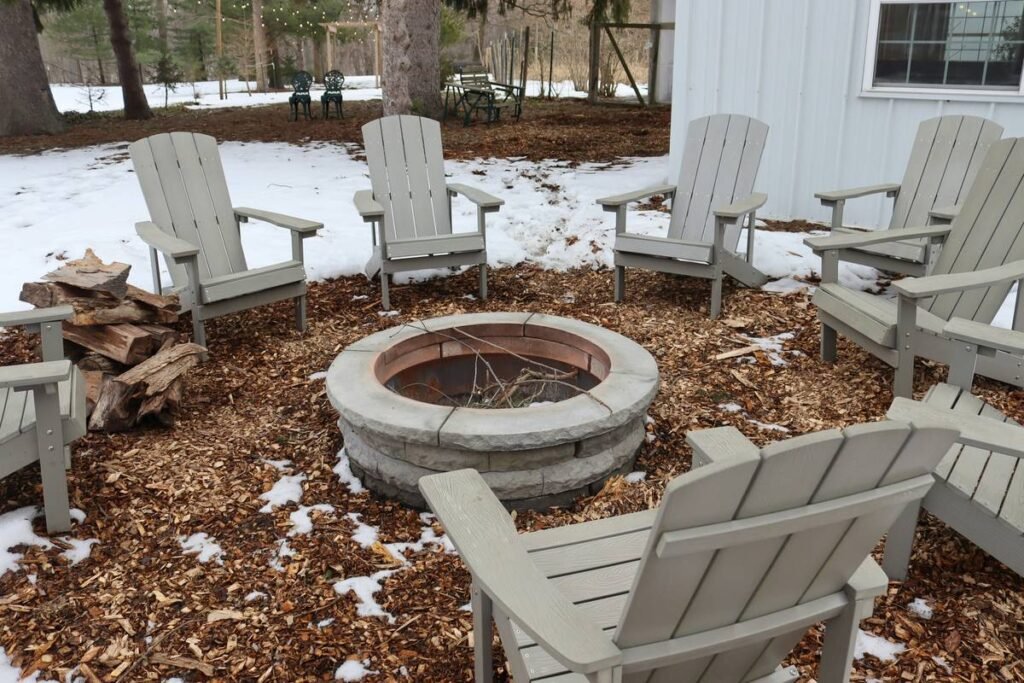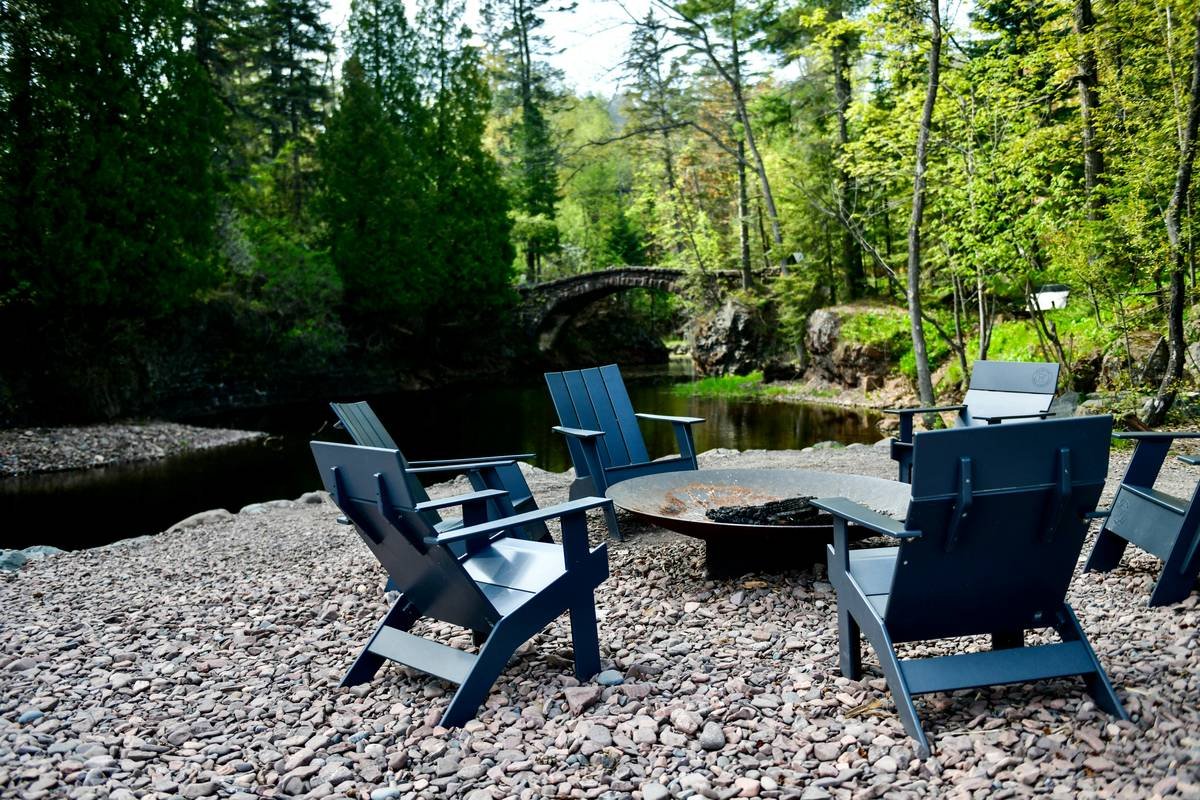
Ever dragged your sad patio set within 5 feet of a fire pit just to realize no one can lean back without singeing their sweater? Yeah. We’ve all been there—knees jammed awkwardly, drinks precariously balanced on armrests that weren’t designed for actual human elbows. And yet, Pinterest is flooded with “dreamy fire pit setups” featuring zero practical seating.
If you’re tired of choosing between comfort and ambiance, this guide is your rescue plan. Backed by 12+ years as a landscape designer specializing in outdoor living spaces—and yes, I once specified cast aluminum chairs for a client who later roasted marshmallows *in his socks* during a snowstorm—I’m sharing only fire pit furniture ideas that merge safety, ergonomics, durability, and that elusive “wow” factor.
You’ll learn:
- Why most “fire pit furniture” online is dangerously misleading
- The exact materials that won’t warp, crack, or off-gas near 800°F heat
- How to arrange seating for conversation flow (not just Instagram symmetry)
- Real-world setups that survived coastal humidity, Midwest winters, and backyard taco parties
Table of Contents
- Why Fire Pit Furniture Isn’t Just Patio Furniture
- Step-by-Step: How to Choose & Arrange Fire Pit Furniture
- Top 7 Fire Pit Furniture Best Practices
- Real Case Studies: What Actually Works
- Fire Pit Furniture FAQs
Key Takeaways
- Never use standard wicker or untreated wood within 4 feet of an open flame—it’s a fire hazard.
- Ideal fire pit seating curves inward at 110°–120° angles for eye contact and heat distribution.
- Commercial-grade powder-coated steel lasts 3x longer than painted aluminum in high-heat zones.
- Modular sectionals with removable cushions offer flexibility for small yards and large gatherings.
- Always leave 36–48 inches between seating edge and fire pit edge for safety (per NFPA guidelines).
Why Fire Pit Furniture Isn’t Just Patio Furniture?
Here’s the hard truth: slapping any outdoor chair near a fire pit isn’t “fire pit furniture”—it’s a liability waiting to happen. According to the National Fire Protection Association (NFPA), nearly 7,700 home structure fires per year involve outdoor fire pits or chimineas, often due to improper placement of combustible materials.
I learned this the painful way during my first backyard redesign gig in 2014. My client loved her vintage teak bench—so I placed it “charmingly” close to a gas fire table. Two weeks later, she called me panicking: the wood had warped into a C-shape, and the finish blistered like overcooked bacon. Lesson etched in ash: fire pit furniture must withstand radiant heat, not just rain.
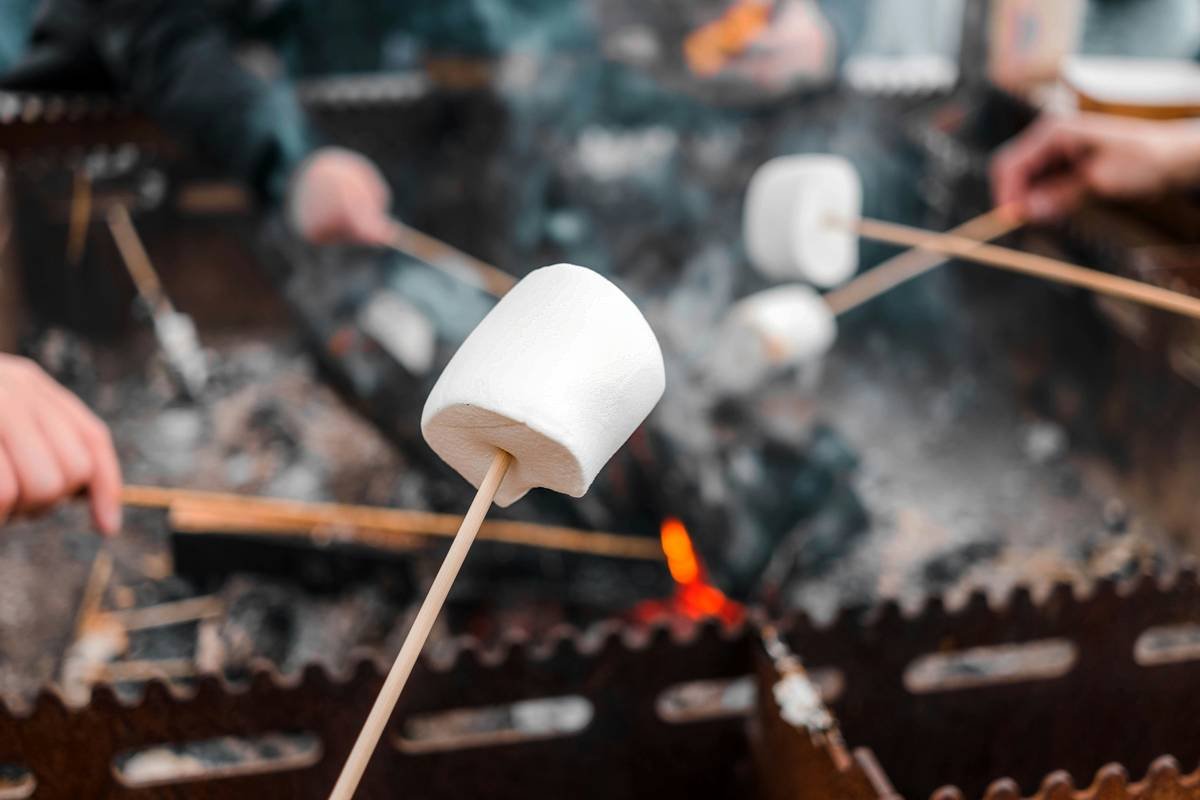
The right fire pit furniture balances three non-negotiables:
- Heat resistance: Materials must tolerate sustained temps of 500–800°F without degrading.
- Ergonomic depth: Seats should be 18–20” deep so users sit fully without leaning forward into heat.
- Clearance compliance: NFPA Standard 101 requires minimum 36” clearance from flame source to combustibles.
Step-by-Step: How to Choose & Arrange Fire Pit Furniture
What Type of Fire Pit Do You Have?
Optimist You: “Just pick pretty chairs!”
Grumpy You: “Ugh, fine—but only after we ID your fire pit type. Gas? Wood-burning? Table-style? Each demands different furniture.”
Gas fire tables emit lower radiant heat than wood pits, allowing closer seating (36” vs. 48”). But they require non-porous surfaces—no fabric cushions directly above vents!
Measure Your Space Like a Pro
Grab a tape measure and mark your fire pit’s outer edge. Add 48” in all directions—that’s your furniture zone. For round pits, aim for 4–6 seats; for rectangular, 6–8 with end benches.
Prioritize Frame Material Over Cushions
Cushions are replaceable; frames aren’t. Go for:
- Cast aluminum: Rust-proof, heat-resistant up to 1,000°F, ideal for coastal areas.
- Powder-coated steel: Heavy-duty, commercial-grade—our go-to for clients with kids or dogs.
- Stone/concrete: Permanent, ultra-durable, but limits flexibility.
Avoid: resin wicker (melts), pine wood (catches sparks), and flimsy tubular aluminum (bends in wind).
Top 7 Fire Pit Furniture Best Practices
- Curved > Straight Layouts: Circular or semi-circular arrangements promote conversation and equal heat exposure. Straight lines = cold shoulders.
- Arm Height Matters: Arms should be 24–26” high—perfect for resting mugs without tilting them toward flames.
- Use Benches for Flexibility: A 6’ curved bench fits 3 adults and doubles as extra surface for blankets or trays.
- Choose Removable, Sunbrella®-Grade Cushions: They resist UV, moisture, and mildew—and can be stored during burn sessions.
- Incorporate Side Tables Within Reach: Place 18”-high nesting tables between seats for drinks. No more balancing act!
- Add Back Support: Low-back chairs look sleek but force hunching. Opt for 12–16” back height for lumbar comfort.
- Test Before You Buy: Sit in the chair for 5 minutes. If your knees poke up past seat depth, it’s too shallow.
Real Case Studies: What Actually Works
Case #1: The Suburban Oasis (Austin, TX)
Client wanted low-maintenance seating for 8 guests around a 48” wood-burning pit. We installed a modular sectional with:
– Cast aluminum frames
– Quick-dry foam cushions in Charcoal Sunbrella®
– Built-in side tables with heat shields
Result: Survived 3 Texas summers, 1 hailstorm, and weekly s’mores nights. Zero replacements in 28 months.
Case #2: The Tiny Urban Deck (Brooklyn, NY)
Space: 8’ x 10’. Solution: Two 36” swivel rockers + one 48” backless bench opposite a 30” gas fire table.
Why it works: Swivels allow guests to face fire or skyline; bench tucks under when not in use. All pieces fit through a 30” doorway.
Terrible Tip Disclaimer: “Just add pillows to your existing patio set!” Nope. Standard outdoor foam ignites at 482°F (per UL 94 testing). Don’t gamble with your neighbor’s house.
Fire Pit Furniture FAQs
How far should furniture be from a fire pit?
Minimum 36 inches for gas fire tables, 48 inches for wood-burning pits (NFPA 101 §7.2.2.5). Measure from flame source—not the pit edge.
Can I use indoor furniture near a fire pit?
Absolutely not. Indoor fabrics, woods, and glues are not rated for outdoor heat or moisture. It’s a fast track to toxic fumes or fire.
What’s the best material for fire pit chairs?
Cast aluminum leads for balance of weight, durability, and heat resistance. Powder-coated steel is second—ideal for high-wind zones.
Do I need special cushions?
Yes. Look for cushions labeled “outdoor,” “mildew-resistant,” and “quick-dry.” Brands like Sunbrella®, Outdura®, or Crypton® meet ASTM D4157 abrasion standards.
Can I leave fire pit furniture outside year-round?
With proper covers, yes—but store cushions indoors during active burning or winter. Even premium fabrics degrade under constant UV + soot exposure.
Conclusion
Great fire pit furniture isn’t about matching throw pillows or chasing trends. It’s about engineering comfort within a high-heat social zone—where safety, sightlines, and seat depth actually matter. Stick to heat-rated materials, respect NFPA clearances, and always prioritize how humans *move* and *talk* around fire.
Your turn: skip the generic “patio set + fire pit” combo. Build a gathering spot where stories are shared, marshmallows catch fire (intentionally), and no one leaves with toasted sweater sleeves.
Like a Tamagotchi, your fire pit setup needs daily care—and occasional marshmallow sacrifices.