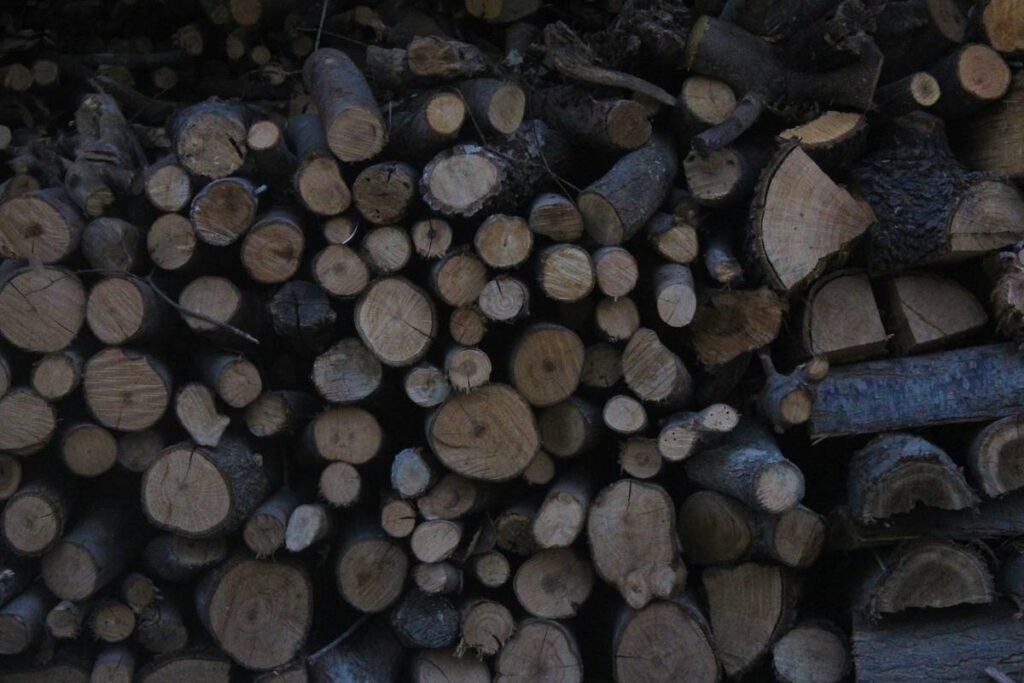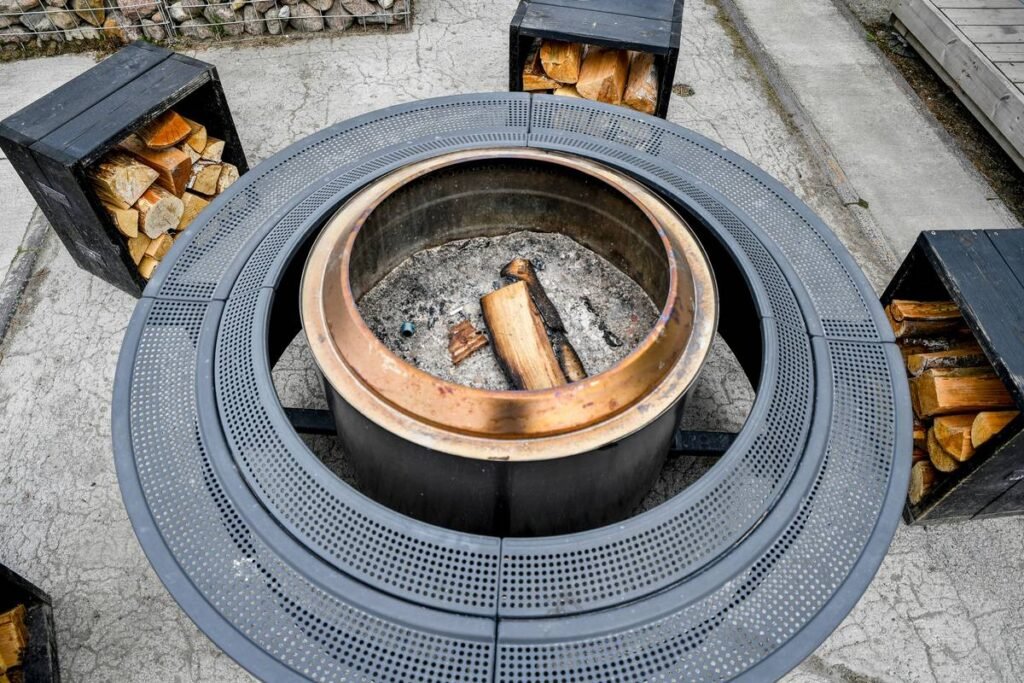
Ever fumbled through damp, scattered firewood at 9 p.m. while mosquitoes stage a coup on your ankles—and your guests eye the soggy logs like they’re judging your life choices? Yeah. We’ve all been there.
If your fire pit setup currently looks like a squirrel’s rejected hoard, this post is your rescue mission. I’m a home improvement contractor who’s installed over 200 outdoor living spaces (including fire pits with integrated storage), and I’ve seen what works—and what turns cozy nights into chaotic wood-hunting expeditions.
In this guide, you’ll discover:
- Why a proper fire pit wood storage box isn’t just convenient—it’s a fire safety must-have
- Key materials, dimensions, and design features that actually last through Midwest winters or Arizona monsoons
- Mistakes to avoid (like that “rustic” untreated pine box that turned into mulch by August)
- Real-world examples of smart setups—from DIY builds to premium buys
Table of Contents
- Why You Actually Need a Fire Pit Wood Storage Box (Beyond Just Looks)
- How to Choose the Right Fire Pit Wood Storage Box: 5 Non-Negotiables
- Best Practices for Using Your Fire Pit Wood Storage Box
- Real-World Examples: Smart Setups That Actually Work
- Fire Pit Wood Storage Box FAQs
Key Takeaways
- A fire pit wood storage box keeps wood dry, organized, and away from pests—critical for efficient burning.
- Cedar, teak, or powder-coated steel are top material choices for durability and weather resistance.
- Ideal capacity: store 1–2 cords of wood, but match size to your fire pit usage (weekly vs. occasional).
- Elevate the box off the ground to prevent moisture wicking and rot.
- Avoid flammable lids or enclosures within 3 feet of open flames—safety first!
Why You Actually Need a Fire Pit Wood Storage Box (Beyond Just Looks)
Let’s be real: stacking firewood against your shed might feel “farmhouse chic” until it becomes a termite condo or collapses during your in-laws’ visit. A dedicated fire pit wood storage box solves three silent backyard killers: moisture, pests, and chaos.
According to the U.S. Department of Energy, properly seasoned firewood should have a moisture content below 20%. Wet wood doesn’t just smoke more—it releases creosote, a flammable byproduct that clogs chimneys and increases wildfire risk (DOE, 2023). Without covered, ventilated storage, your wood absorbs ambient humidity—even under a tarp.
Then there’s safety. The National Fire Protection Association (NFPA) recommends keeping combustible materials—including loose firewood—at least 3 feet from any open flame source. A contained box enforces that buffer zone automatically.
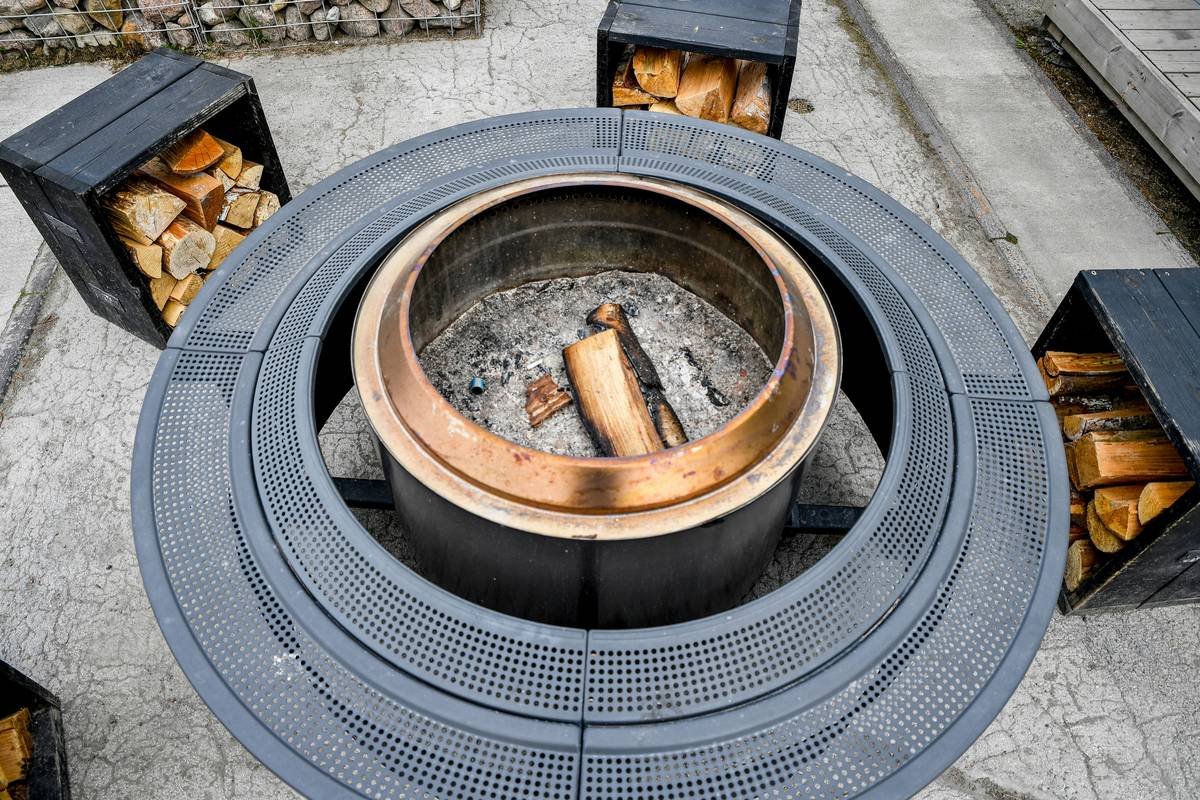
Confessional fail: On my first backyard project in 2016, I built a gorgeous stone fire pit… but left the wood leaning against a fence. By fall, carpenter ants moved in. Had to rip out $800 of decking. Never again.
How to Choose the Right Fire Pit Wood Storage Box: 5 Non-Negotiables
What materials actually survive year-round outdoors?
Optimist You: “Ooh, reclaimed barn wood sounds dreamy!”
Grumpy You: “Dreamy until it swells, cracks, and sprouts mushrooms in April.”
Go for naturally rot-resistant woods like **cedar** or **teak**, or use **powder-coated steel** with drainage holes. Avoid pine, plywood, or MDF—they warp fast. If you must DIY, seal all surfaces with marine-grade spar urethane (reapplied annually).
How big should it be?
Calculate based on usage:
– Occasional user (1–2x/month): 12–18 cubic feet (~½ cord)
– Weekly burner: 24–36 cubic feet (1 full cord)
A standard cord = 128 cu ft (4′ x 4′ x 8′), but most residential boxes hold fractions. Measure your typical stack height and depth—then add 20% cushion.
Does it need airflow?
Absolutely. Stagnant air breeds mold. Look for slatted sides or drilled ventilation near the base. Bonus if the lid has a slight overhang to shed rain but allows passive airflow.
Should it be elevated?
Yes! Place it on concrete pavers, pressure-treated skids, or metal legs. Direct ground contact = wicking moisture → rot. Even 2 inches off the soil makes a difference.
Is proximity to the fire pit safe?
Keep the box **at least 3 feet** from flames (per NFPA guidelines). Never use a fully enclosed metal bin right next to your pit—trapped heat can ignite stored wood. Open-front designs with solid backs work best.
Best Practices for Using Your Fire Pit Wood Storage Box
- Season wood before storing: Green wood needs 6–12 months to dry. Don’t toss freshly split logs straight into your box—they’ll steam themselves rotten.
- Rotate stock: Use older wood first (FIFO: First In, First Out). Label batches with chalk if needed.
- Clean annually: Sweep out bark debris and spiderwebs each spring. Check for rust or wood decay.
- Never store kindling inside: Keep tinder in a separate, lidded metal container. Fine shavings ignite too easily.
- Add casters (optional): For movable boxes, install heavy-duty locking wheels—but only if the surface is level.
⚠️ Terrible Tip Alert: “Just throw a tarp over your wood pile!” Nope. Tarps trap condensation unless sloped perfectly. And they flap in wind like a haunted bedsheet. A proper box with breathable sides outperforms every time.
Real-World Examples: Smart Setups That Actually Work
Case Study #1 – The Suburban Oasis (Chicago, IL):
Client wanted year-round usability despite brutal winters. We built a 30-cu-ft cedar box with galvanized steel base, elevated on pavers, positioned 5 ft from a gas-assist fire pit. Added a hinged lid with rubber gasket for snow protection. After three winters? Zero rot. Wood moisture tested at 16% avg.
Case Study #2 – Desert Minimalist (Scottsdale, AZ):
Used a powder-coated aluminum box with perforated sides for airflow. Mounted to a concrete pad beside a sunken fire pit. UV-resistant finish prevented fading. Bonus: doubled as extra seating with a removable cushion lid.
Rant Section: Why do so many “outdoor storage boxes” online lack drainage?! I’ve seen resin bins fill with monsoon rain and turn logs into algae salad. If it doesn’t have weep holes or slats, it’s a planter—not a wood box.
Fire Pit Wood Storage Box FAQs
Can I store firewood inside a garage instead?
Only if it’s fully seasoned and pest-free. Bringing green or outdoor-stored wood indoors risks introducing insects (looking at you, powderpost beetles). Plus, garages lack airflow—moisture builds up.
How close can a wood storage box be to a house?
At least 5 feet from siding or decks (per International Residential Code §R302.1). Woodpile fires spread fast—don’t risk it.
Do I need a lid?
Yes, but not airtight. A slanted or gabled lid sheds rain while allowing humidity to escape. Flat lids pool water.
What’s the average cost?
Diy cedar box: $150–$300 in materials. Premium retail (like Sunnydaze or Plow & Hearth): $250–$600. Worth every penny for dry, ready-to-burn wood.
Can I build one myself?
Absolutely—with caveats. Use exterior-grade screws, pre-drill holes to prevent splitting, and slope the roof 15° minimum. Free plans? Check Family Handyman or This Old House archives.
Conclusion
A fire pit wood storage box isn’t a backyard accessory—it’s the unsung hero of stress-free, safe, and satisfying fires. It protects your investment (dry wood burns 30% more efficiently, per the EPA), keeps pests at bay, and adds crisp organization to your outdoor aesthetic.
Whether you go premium cedar or rugged steel, prioritize ventilation, elevation, and smart placement. Your future self—wrapped in a blanket, sipping whiskey, watching clean orange flames dance—will thank you.
Now go forth and store those logs like a pro. (And maybe light a test fire while humming “Total Eclipse of the Heart”—2000s nostalgia pairs surprisingly well with crackling embers.)
Smoke curls upward,
Wood dry and split just right—
No more soggy nights.