Ever stood in your backyard on a crisp fall evening, shivering while your guests huddle around a sad, smoky fire in a rusted metal ring? Yeah. Been there, burned my marshmallows there. You didn’t just want a fire—you wanted an experience: laughter echoing under string lights, kids roasting s’mores without coughing from smoke, and furniture that doesn’t scream “camping disaster.”
If you’re dreaming of building an outdoor fire pit that blends safety, style, and serious comfort, you’re in the right place. As a home renovation specialist who’s designed over 60 outdoor living spaces—and once accidentally built a fire pit too close to a cedar fence (RIP, Mr. Cedar)—I’ll walk you through everything you need to know.
In this guide, you’ll learn how to choose the right fire pit type, select complementary fire pit furniture, avoid common DIY disasters, and create a space that’s not just Instagrammable—but actually livable year-round.
Table of Contents
- Key Takeaways
- Why Does Fire Pit Furniture Even Matter?
- Step-by-Step Guide to Building an Outdoor Fire Pit
- 5 Best Practices for Fire Pit Layout & Furniture Pairing
- Real-World Example: From Concrete Slab to Cozy Oasis
- Frequently Asked Questions
Key Takeaways
- You need at least 7 feet of clearance between your fire pit and any structure or flammable material (per NFPA guidelines).
- The best fire pit furniture is heat-resistant, low-profile, and arranged in a U- or circular layout for conversation flow.
- Gas fire pits offer convenience and cleaner air quality; wood-burning pits deliver ambiance but require more maintenance.
- Always check local zoning laws—many municipalities regulate fire pit size, fuel type, and placement.
- Never skip a non-combustible base (like gravel or pavers) beneath your fire pit.
Why Does Fire Pit Furniture Even Matter?
Here’s the brutal truth: A fire pit alone won’t transform your yard. It’s the furniture that turns flames into memories. I once visited a client’s “dream patio” featuring a $1,200 gas fire table… surrounded by folding lawn chairs from 2003. The vibe? Less “rustic luxury,” more “emergency evacuation drill.”
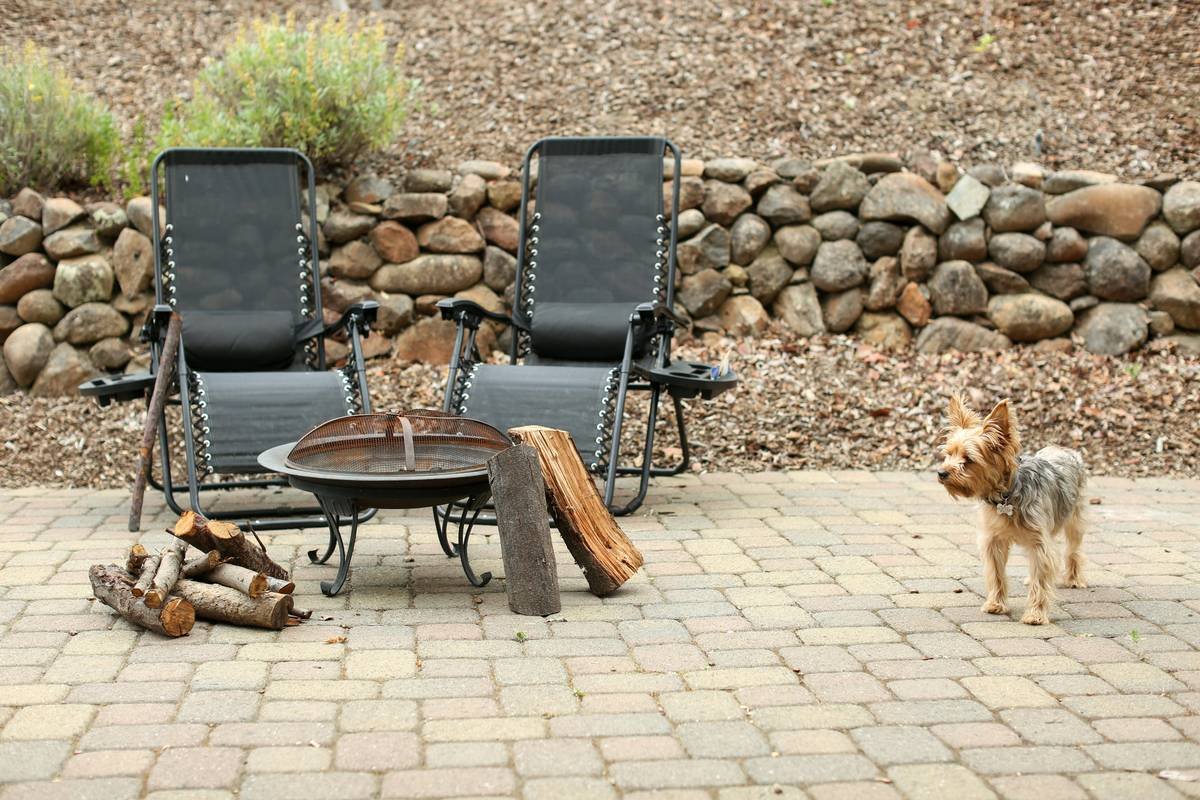
Fire pit furniture isn’t just about looks—it’s about physics and comfort. You need seating that:
- Resists radiant heat (no melted polyester cushions, please)
- Places users 3–5 feet from the flame for optimal warmth without overheating
- Promotes eye-level conversation (low-slung sofas > dining-height chairs)
According to a 2023 Houzz Outdoor Trends Report, 68% of homeowners who invested in purpose-built fire pit furniture reported using their outdoor space 3+ nights per week during cooler months—versus just 29% with mismatched or ad-hoc seating.
Optimist You:
“This is going to be the coziest corner of my property!”
Grumpy You:
“Ugh, fine—but only if I don’t have to replace singed throw pillows every season.”
Step-by-Step Guide to Building an Outdoor Fire Pit
What Permits Do I Need Before Digging?
Before you buy a single bag of paver stone, check your city’s municipal code. In Los Angeles, for example, wood-burning fire pits are banned within 25 feet of structures. In Austin, gas is preferred but requires a licensed plumber for line installation. Call your local fire marshal—it takes 10 minutes and could save you a $500 fine.
Choosing Between Wood-Burning vs. Gas Fire Pits
Wood-burning: Authentic crackle, high heat output (~80,000 BTUs), but produces smoke and ash. Best for rural or large-lot properties.
Gas (propane/natural): Clean-burning, instant on/off, ~65,000 BTU max. Ideal for urban backyards or allergy sufferers. Note: Natural gas requires professional line installation.
Selecting Materials That Won’t Explode (Yes, Really)
Never use river rocks, concrete blocks, or sealed pavers—they trap moisture. When heated, steam builds up and causes explosive spalling. Stick to fire-rated materials like:
- Fire brick (rated to 2,000°F)
- Basalt or granite (dense, non-porous stones)
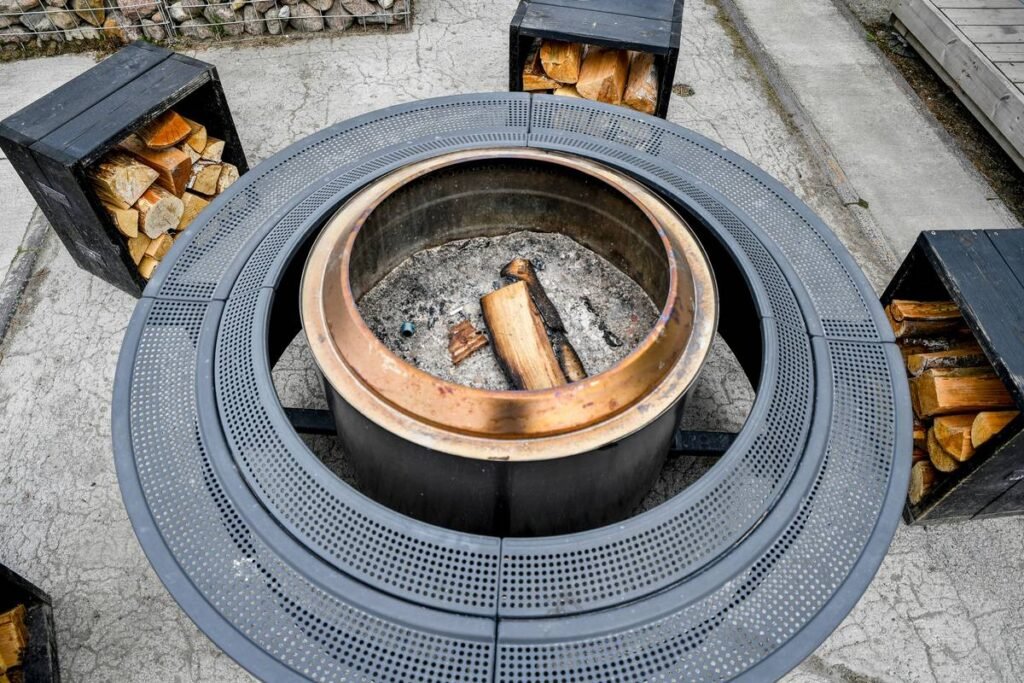
- Pre-fab steel or copper fire rings (UL-listed)
I learned this the hard way when my first DIY pit used decorative limestone. On ignition night—pop-pop-CRACK—rock shards flew like shrapnel. My dog still side-eyes fire pits.
Measuring Your Safety Zone
The National Fire Protection Association (NFPA) recommends a minimum 7-foot clearance from your fire pit to any structure, tree limb, or combustible surface. Use spray paint to mark this radius before construction begins.
5 Best Practices for Fire Pit Layout & Furniture Pairing
- Go Low, Not High: Choose deep-seated sectionals or Adirondack chairs with seat heights under 18 inches. This keeps users closer to the flame’s warmth zone.
- Prioritize Material Over Aesthetics: All-weather wicker, powder-coated aluminum, and teak resist heat and moisture. Avoid plastic, resin, or fabric cushions stored outdoors year-round.
- Create Multiple Seating Zones: Don’t crowd all chairs around the fire. Add a nearby bench or loveseat slightly removed for overflow guests or those who prefer ambient warmth.
- Light It Right: Install low-voltage path lighting around the perimeter—never direct downlights that blind guests or cast shadows on faces.
- Store Fuel Safely: Propane tanks must sit upright outside the 7-foot safety radius. Wood stacks should be covered and elevated off soil to prevent rot.
Terrible Tip Alert:
“Just toss your old patio cushions around the fire pit—they’ll be fine!” Nope. Most outdoor fabrics aren’t flame-retardant. One spark = charred upholstery and a panicked hose-down at midnight.
Real-World Example: From Concrete Slab to Cozy Oasis
Last summer, I helped transform a 12×15 ft suburban backyard in Portland, OR. The space was a barren concrete pad with zero charm.
Challenge: Client wanted a wood-burning fire pit but had a vinyl-sided house just 10 feet away.
Solution:
- Built a 36-inch steel fire ring encased in basalt boulders
- Installed it 8 feet from the house (exceeding NFPA minimums)
- Chose modular, low-back sofas with Sunbrella® cushions (heat-reflective backing)
- Added a 4-inch gravel bed beneath the pit for drainage and fire containment
Result? They now host weekly “fire club” gatherings October through May. Energy cost? Zero. Emotional ROI? Off the charts.
Frequently Asked Questions
How far should fire pit furniture be from the flames?
Aim for 3 to 5 feet. Closer than 3 ft risks overheating; farther than 5 ft reduces radiant warmth. Measure from the edge of the fire ring—not the center.
Can I build a fire pit on grass or soil?
No. Always install over a non-combustible base: gravel, concrete pavers, or flagstone. Soil retains moisture and can ignite roots; grass burns easily.
What’s the safest fire pit shape?
Circular pits distribute heat evenly and reduce wind tunneling. Square pits with sharp corners can channel gusts, causing flare-ups.
Do I need a spark screen?
Yes—if you’re burning wood. UL-listed mesh screens prevent embers from escaping. Gas pits don’t require them.
How tall should my fire pit be?
12 to 14 inches above ground is ideal. Tall enough to contain sparks, low enough to rest feet or drinks on the ledge comfortably.
Conclusion
Building an outdoor fire pit isn’t just about stacking stones—it’s about crafting a human-centered gathering space where warmth, safety, and style converge. Remember: prioritize non-combustible materials, respect the 7-foot safety buffer, pair your pit with purpose-built furniture, and always—always—check local codes first.
Your future self, wrapped in a blanket beside good company and a perfect flame, will thank you.
Like a Tamagotchi, your fire pit needs daily care—if you ignore it, things get ugly fast.
Smoke curls upward,
Friends lean in, laughter rings clear—
Embers guard the night.