You’ve got the patio, the grill, maybe even string lights—but something still feels off. That empty corner stares back, begging for warmth, conversation, and purpose. Most DIY fire pit zones end up as awkward gravel circles with zero function beyond flames. Here’s how to build a fire pit area that actually works—stylish, safe, and built to last.
Why Most Fire Pit Areas Fail Before Summer Ends
People treat fire pits like afterthoughts. Toss down some pavers, drop in a metal bowl, call it a day. But without intentional furniture integration and smart storage, you get chaos—scattered logs, singed cushions, ash blowing onto your rug. Worse? Safety hazards from poor airflow or flammable materials too close to heat.
And aesthetics? Often an eyesore by October. The truth: a fire pit isn’t just a hole with fire. It’s the heart of outdoor living—if you design it right.
Step-by-Step Guide to building a fire pit area That Lasts
Forget generic tutorials. This method prioritizes flow, function, and fire-safe furniture placement from day one.
1. Define Your Zone (Before Digging)
Mark a 10–15 ft diameter circle. This gives room for seating, walking space, and storage without crowding. Check local codes—many municipalities require 10+ feet from structures.
2. Choose Your Fire Pit Type Wisely
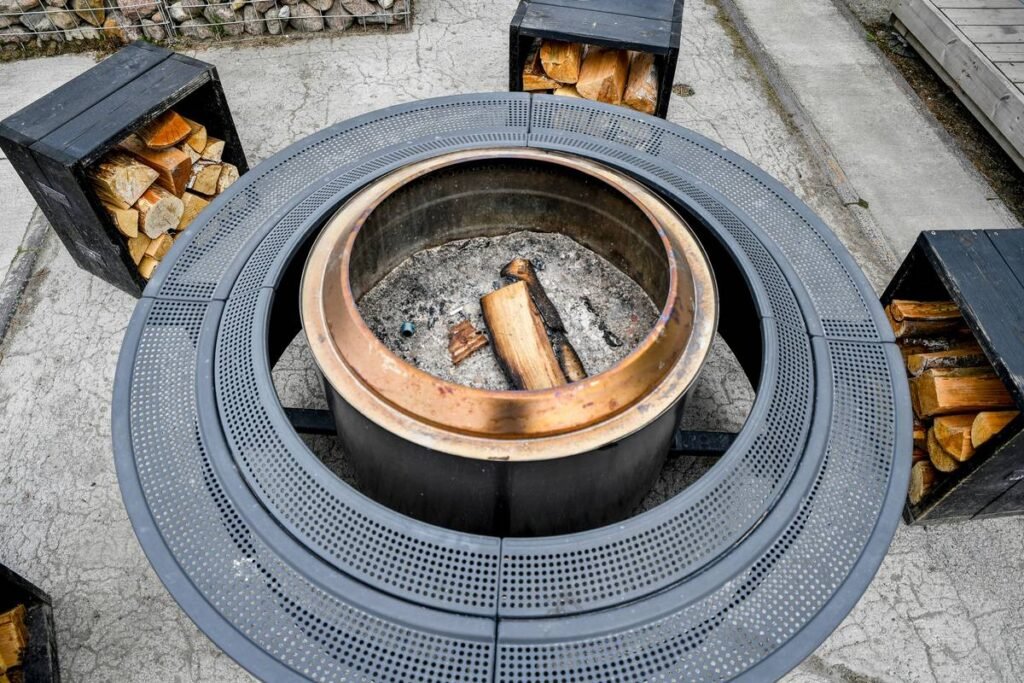
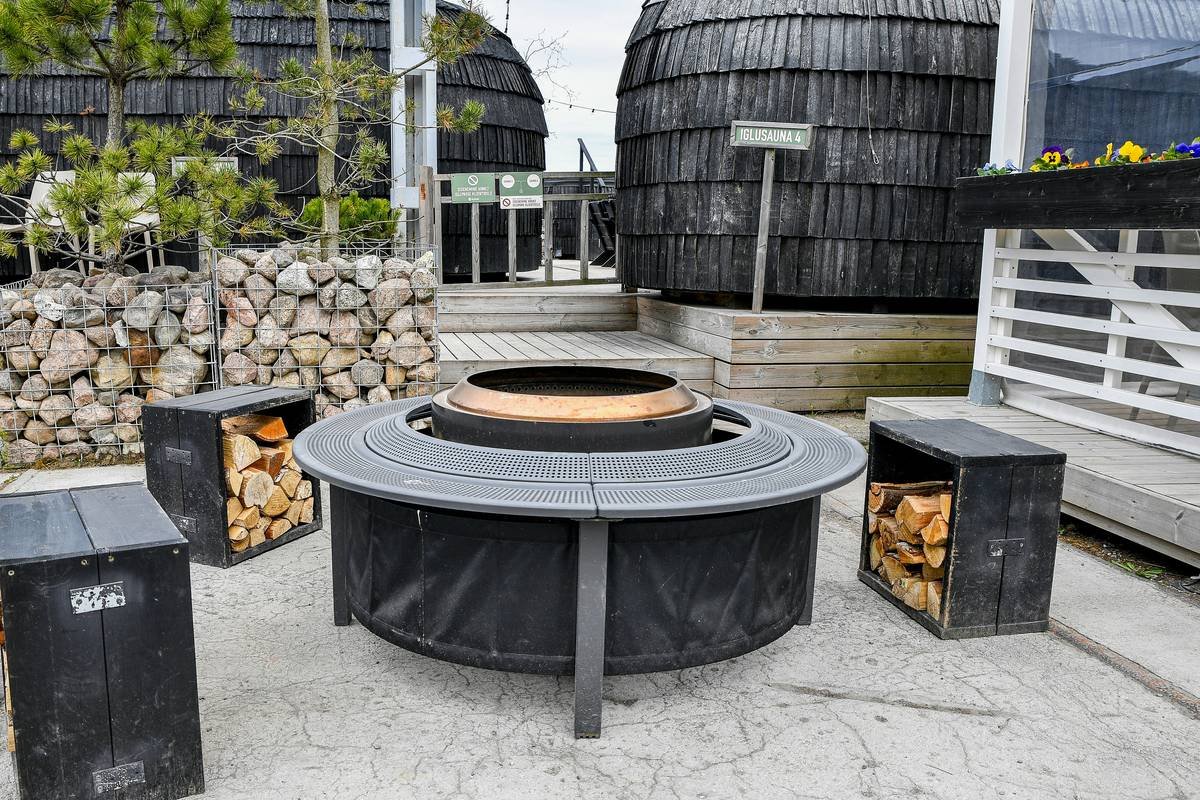
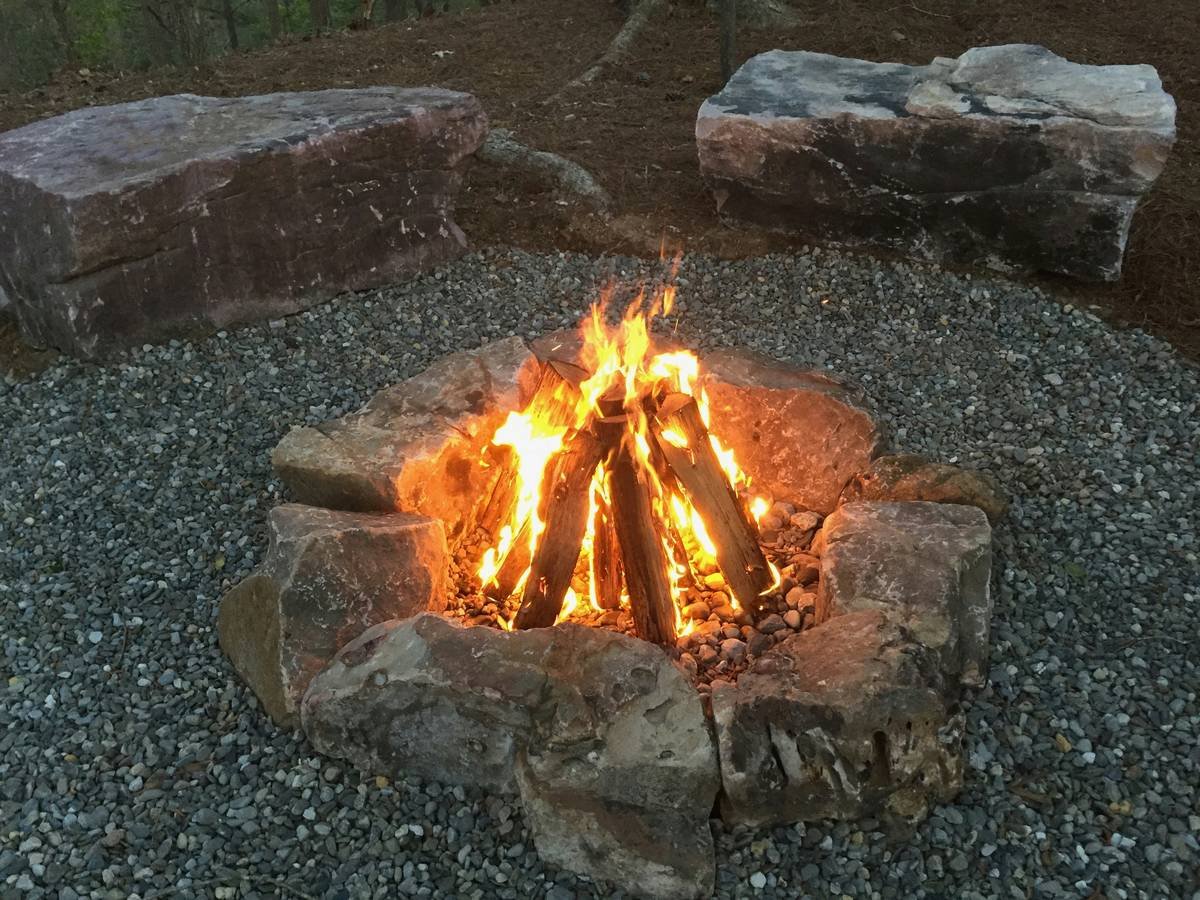
In-ground pits radiate more heat but limit portability. Above-ground units offer flexibility but need stable bases. For most homeowners, a hybrid steel insert within a stone surround hits the sweet spot—durable, attractive, and easy to maintain.
3. Integrate Fire Pit Storage From the Start
Bury a weatherproof log bin beneath a bench seat. Or build a matching side table with a lid that doubles as dry wood storage. Hidden compartments prevent clutter—and keep kindling away from open flame.
4. Select Furniture Built for Heat & Weather
Avoid wicker or fabric near the flame zone. Opt for powder-coated steel, teak, or all-weather resin frames. Seat height matters—ideal chair arms sit 24–26 inches high so users can rest elbows comfortably while leaning toward the fire.
| Fire Pit Base Material | Cost Range | Durability | Best Paired With |
|---|---|---|---|
| Concrete Pavers | $2–$6/sq ft | High (decades) | Modular outdoor sectionals |
| Decomposed Granite | $1–$3/sq ft | Moderate (needs edging) | Adirondack chairs |
| Flagstone | $8–$15/sq ft | Very High | Solid teak benches |
| Gravel (Pea Stone) | $0.50–$2/sq ft | Low (shifts over time) | Folding camp chairs (temporary only) |
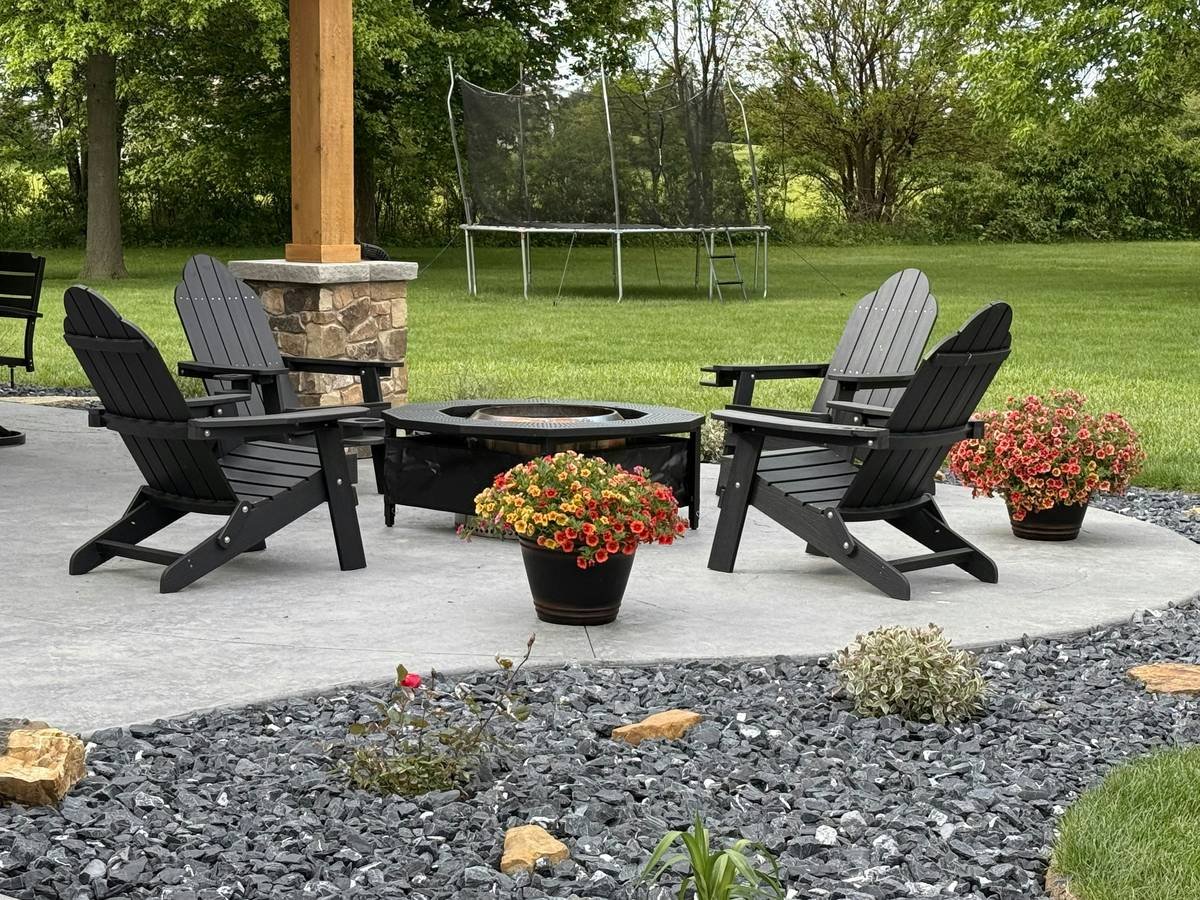
The Industry Secret: “The 3-Foot Rule” Nobody Talks About
Here’s what landscape architects whisper on-site: never place any upholstered or wooden furniture closer than 3 feet from the fire pit’s outer edge. Not 2. Not “kinda far.” Three feet is the thermal buffer where radiant heat drops below 120°F—safe for fabrics and finishes.
Most homeowners cram seating right up to the lip for “intimacy.” Bad move. You’ll fade cushions in weeks and risk ignition during wind gusts. Instead, use that 3-foot ring for non-combustible surfaces: stone ledges, metal stools, or built-in concrete benches. Then layer soft seating beyond that zone. The result? Cozy, not dangerous.
Frequently Asked Questions
What’s the safest surface under a fire pit?
Non-combustible materials only: concrete, stone, brick, or gravel beds with metal containment rings. Never wood decks or grass without UL-listed fire pit mats rated for ground contact.
Can I store firewood next to my fire pit area?
Only if it’s in a fully enclosed, ventilated bin at least 5 feet from the flame source. Loose logs stacked nearby attract pests and pose a fire risk during flare-ups.
How much space do I need for a functional fire pit area?
A minimum 10-foot diameter circle. This allows safe clearance, comfortable seating for 4–6 people, and room to walk without tripping over feet or logs.