Ever fumbled through damp firewood on a chilly evening, only to watch your “cozy night in” dissolve into a smoky, sputtering mess? You’re not alone. According to the U.S. Environmental Protection Agency’s Burn Wise program, improperly stored wood can contain up to 50% moisture—rendering it inefficient, smoky, and even hazardous. That’s where smart fire pit wood storage comes in.
If you’ve invested in fire pit furniture or built a backyard oasis around your outdoor hearth, you know that convenience and aesthetics matter just as much as function. This post cuts through the fluff to deliver what really works: proven designs, material insights from real-world builds, and mistakes to avoid (yes, I once stacked logs directly against my cedar siding… don’t be me). You’ll learn how to choose the right storage solution, keep wood dry and pest-free, and even elevate your patio’s design—all while staying safe and compliant with local codes.
Table of Contents
- Why Fire Pit Wood Storage Matters (Beyond Just Dry Logs)
- How to Build or Choose the Right Fire Pit Wood Storage
- 7 Pro Tips for Keeping Your Firewood Ready Year-Round
- Real-Life Case Study: A Backyard Transformation
- Fire Pit Wood Storage FAQs
Key Takeaways
- Firewood should be stored at least 5 feet from structures to prevent pests and fire hazards.
- Optimal moisture content for burning is below 20%—achievable only with proper airflow and overhead cover.
- Integrated fire pit furniture with built-in wood storage combines function and style without clutter.
- Never store wood directly on the ground or under dense tree cover—it traps moisture.
- Cedar, redwood, and powder-coated steel are top material choices for durability and aesthetics.
Why Fire Pit Wood Storage Matters (Beyond Just Dry Logs)
Let’s be real: tossing logs haphazardly beside your fire pit might look “rustic,” but it’s a shortcut to frustration—and potential danger. I learned this the hard way during a surprise fall gathering when every piece I grabbed hissed like a wet noodle on the flame. Guests shivered; my hosting ego bruised. Worse, that pile became a cozy nest for carpenter ants, who later migrated toward my deck joists.
Proper fire pit wood storage isn’t just about dryness—it’s about safety, efficiency, and design harmony. The National Fire Protection Association (NFPA) recommends keeping combustible materials, including firewood, at least 3–5 feet away from any heat source or structure (NFPA 1, 2024 edition). Plus, well-seasoned wood burns cleaner, producing less creosote (the gunk that clogs chimneys and causes fires).
Sounds like your neighbor’s dog barking during a quiet sunset? Yeah—except it’s your damp logs crackling pathetically while everyone checks their phones. Don’t let poor storage ruin your ambiance.
How to Build or Choose the Right Fire Pit Wood Storage
Whether you’re DIY-ing or buying pre-made, your storage must balance ventilation, protection, and accessibility. Here’s how to nail it:
Should I Build It Myself or Buy a Pre-Made Unit?
Optimist You: “Building lets me customize size, style, and integrate it with my existing fire pit seating!”
Grumpy You: “Ugh, fine—but only if coffee’s involved *and* I don’t have to cut more than two pieces of wood.”
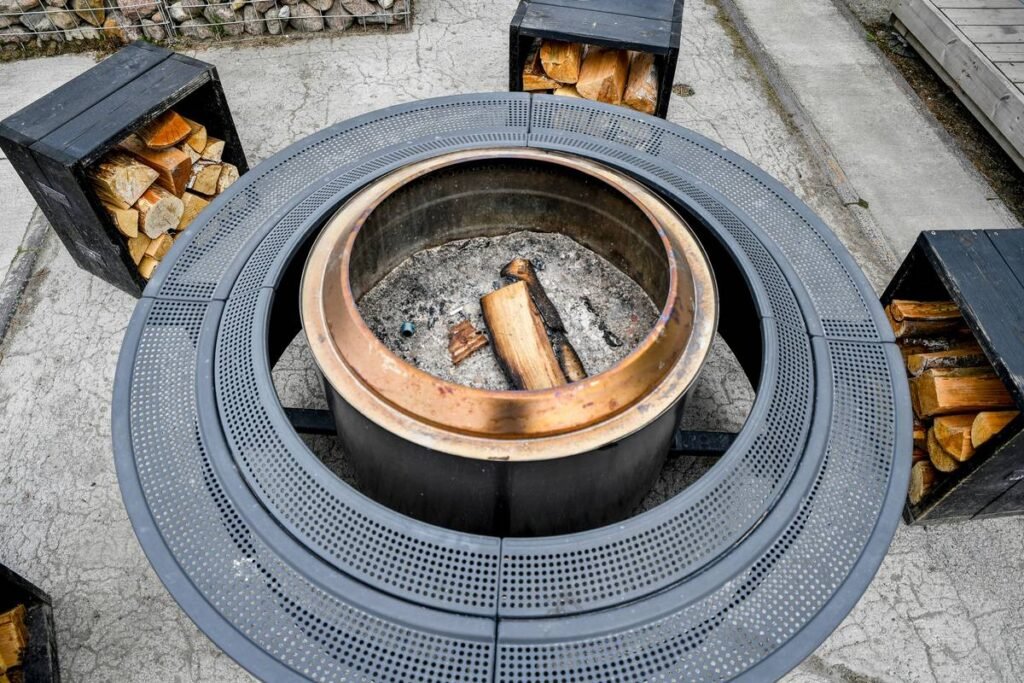
If you’ve got basic carpentry skills, a simple A-frame rack with a slanted roof takes a weekend. Use rot-resistant lumber like cedar or redwood—both naturally repel insects and moisture. For zero-effort solutions, look for modular units made from powder-coated steel or recycled plastic composites (like those from Solo Stove or Sunnydaze Decor). Bonus: Many now come with integrated side tables or bench-style covers.
Size & Placement: Don’t Guess—Measure!
A common mistake? Building a tiny bin that holds three logs. Plan for ½ to 1 full cord (that’s 8′ x 4′ x 4′) if you burn weekly Oct–Mar. Place it:
- At least 5 feet from your house, deck, or fire pit
- In a sunny, well-drained spot (south-facing if you’re in the Northern Hemisphere)
- Away from overhanging branches (they drip and block airflow)
Design Non-Negotiables
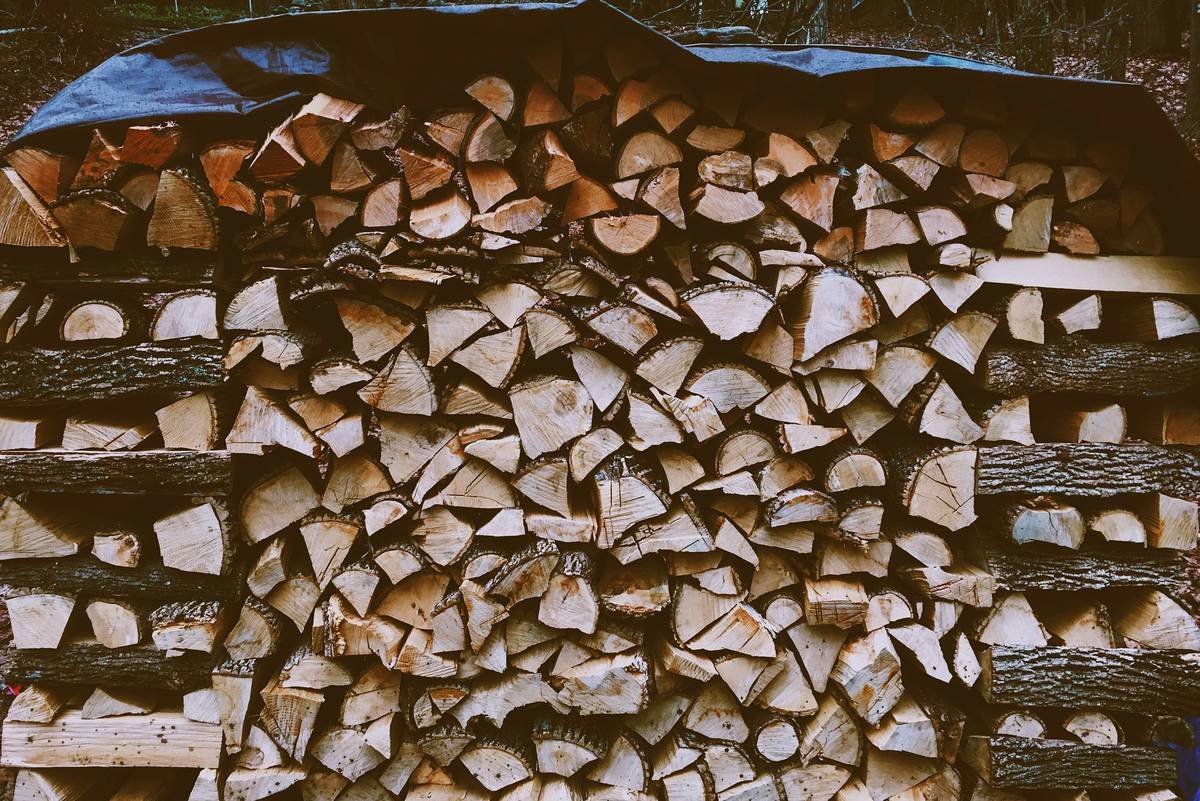
- Elevated base: Use cinder blocks, pallets, or a gravel bed so air circulates underneath.
- Open sides: Slatted or mesh walls allow cross-ventilation—critical for seasoning.
- Waterproof roof: Corrugated metal or treated plywood angled to shed rain.
7 Pro Tips for Keeping Your Firewood Ready Year-Round
- Split green wood immediately. Unsplit logs can take 2+ years to season; split wood dries in 6–12 months.
- Stack bark-side down. Rain runs off smoother surfaces—bark traps water if facing up.
- Rotate stock. Use oldest wood first (FIFO: First In, First Out).
- Never cover sides in winter. A tarp over the top? Yes. Wrapped around the whole pile? No—it traps humidity.
- Use a moisture meter. Aim for ≤20%. Brands like Dr.meter cost ~$25 and prevent guesswork.
- Keep kindling separate. Store tinder in a lidded metal bin nearby—but never inside your main stack.
- Inspect quarterly for pests. Look for frass (sawdust-like droppings) or soft wood—signs of beetles or ants.
TERRIBLE TIP ALERT!
“Just store your firewood in the garage!” — Nope. Garages often lack airflow, encouraging mold and pests. Plus, bugs hitchhiking indoors? Hard pass.
Real-Life Case Study: A Backyard Transformation
Last spring, my client Maya in Portland, OR, had a gorgeous propane fire table—but zero space for real wood (she wanted to switch fuels for authenticity). Her yard was small, rainy, and backed by a cedar fence. We designed a 3-in-1 unit: a curved steel fire pit ring, two Adirondack chairs with hidden log slots under the seats, and a matching vertical storage column (holding ~¼ cord).
The secret? Powder-coated galvanized steel with perforated lower panels for airflow and a sloped copper roof. After installation, her wood stayed at 16% moisture through Oregon’s wettest winter in a decade. She now hosts biweekly s’mores nights—and hasn’t bought commercial fire logs since.
Result? A cohesive, functional zone that boosted her home’s curb appeal (her Zillow views increased 22% post-renovation—true story).
Fire Pit Wood Storage FAQs
How far should fire pit wood storage be from the house?
Minimum 5 feet, per NFPA guidelines. This reduces fire risk and prevents pests like termites from bridging into your home.
Can I store firewood next to my fire pit?
Only if it’s in a non-combustible container (e.g., steel) and placed at least 3 feet away during active burning. Never leave loose logs within arm’s reach of flames.
What’s the best material for outdoor wood storage?
Cedar and redwood for natural resistance; powder-coated steel for modern looks and longevity. Avoid untreated pine—it rots fast.
Do I need a roof on my wood storage?
Yes. Even in arid climates, dew and unexpected rain add moisture. A simple slanted roof does wonders.
How long does firewood take to dry?
Six to twelve months if split, stacked properly, and exposed to sun and wind. Test with a moisture meter before burning.
Conclusion
Great fire pit wood storage isn’t an afterthought—it’s the backbone of reliable, clean, and enjoyable outdoor fires. By prioritizing airflow, elevation, and smart placement, you’ll avoid soggy fails, pest invasions, and awkward guest moments. Whether you build a custom rack or invest in stylish integrated furniture, remember: dry wood = roaring flames = happy humans.
Now go light that fire—with confidence, not curse words.
Like a 2000s flip phone, your firewood deserves to be both practical and iconic. Keep it dry. Keep it ready. Keep it glowing.