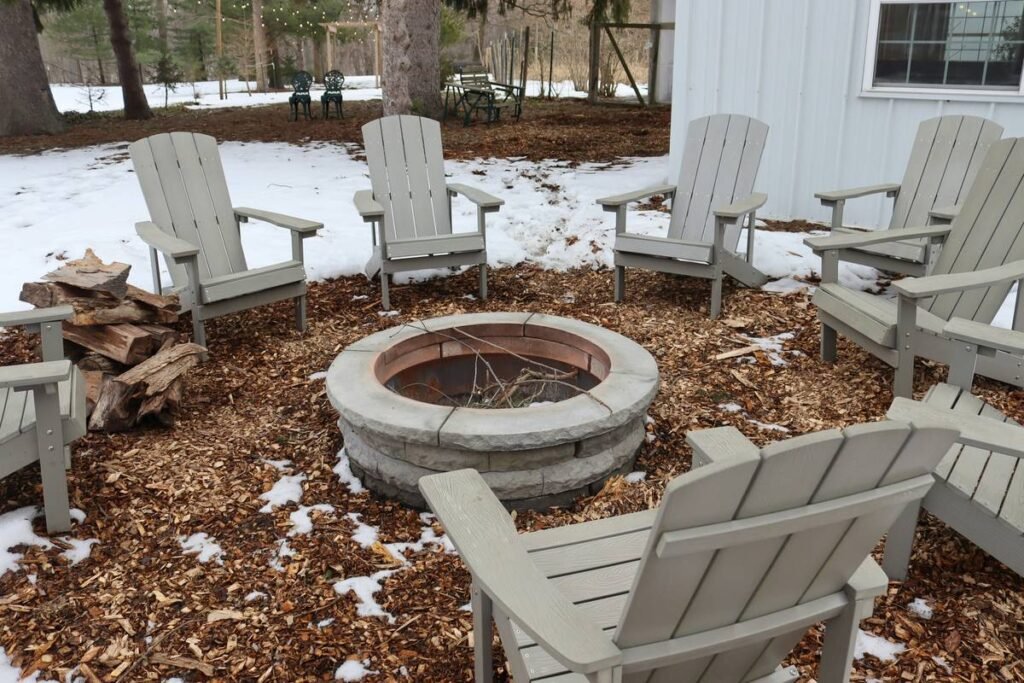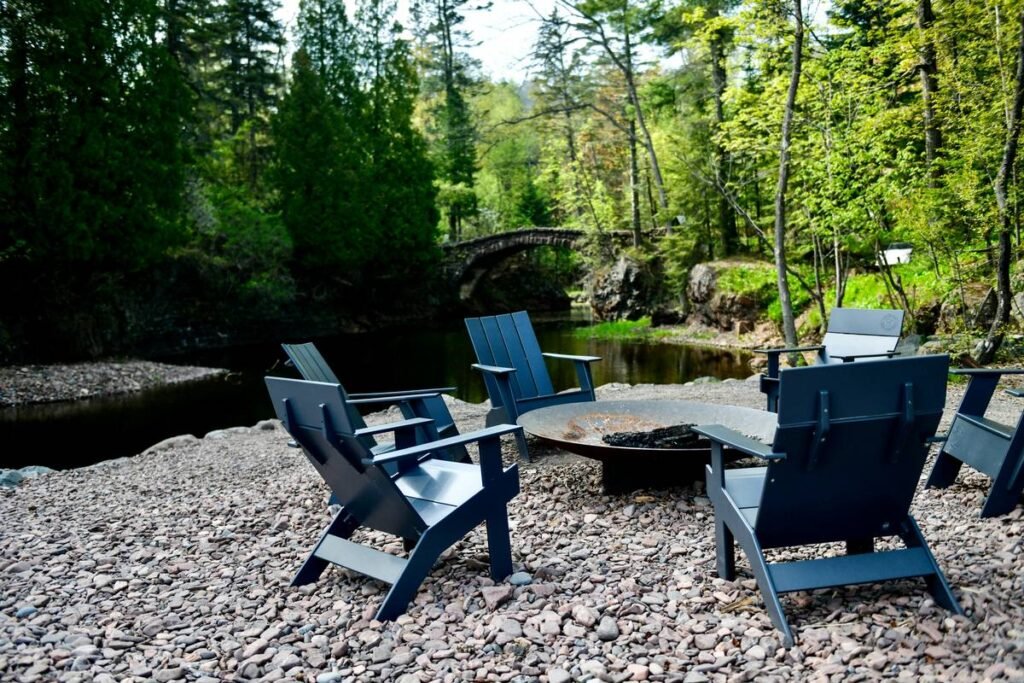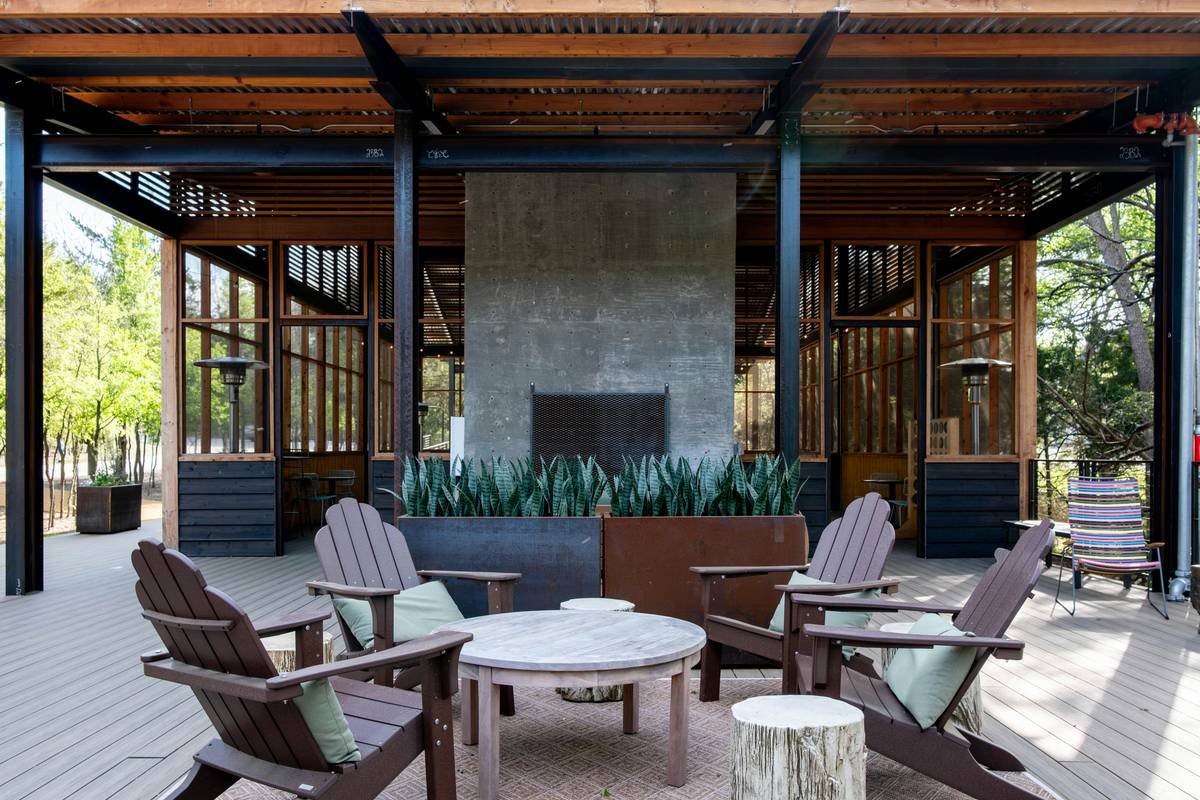
Ever gathered around a fire pit only to shift uncomfortably on flimsy lawn chairs that scorch your legs or tip over when you reach for a marshmallow? You’re not alone. Choosing the right fire pit with chairs setup isn’t just about aesthetics—it’s about safety, comfort, and creating a space where memories actually happen. As someone who once melted the armrest of a plastic Adirondack chair during a backyard gathering (yes, really), I’ve learned that blending style with smart functionality is non-negotiable. In this guide, we’ll walk through exactly how to select, arrange, and maintain your ideal fire pit seating—so you spend less time worrying about singed sleeves and more time enjoying golden-hour conversations.
Table of Contents
- Why Your Fire Pit Seating Matters
- Step-by-Step Guide to Building Your Ideal Setup
- Best Practices for Comfort and Safety
- Real-World Examples That Work
- FAQs About Fire Pit Furniture
Key Takeaways
- Material choice directly impacts heat resistance and longevity—avoid resin wicker near open flames.
- Maintain a minimum 3-foot clearance between seating and fire pit edge for safety.
- Modular sets offer flexibility; built-in benches maximize space in small yards.
- Always prioritize UL-certified fire pits with CSA or ANSI safety markings.
Why Your Fire Pit Seating Matters
In home improvement, fire pit areas are high-traffic social hubs—but poorly chosen furniture turns them into hazard zones. According to the U.S. Consumer Product Safety Commission, over 5,000 fire pit-related injuries occur annually, many involving unstable or flammable seating. Your fire pit with chairs setup must balance ambiance with practicality. I learned this the hard way: that melted armrest came from placing a standard patio chair too close to a wood-burning pit. The result? A ruined chair, a smoky odor that lingered for weeks, and zero marshmallows toasted that night.
Step-by-Step Guide to Building Your Ideal Setup
Assess Your Space and Needs
Measure your yard’s usable area. For small patios (<100 sq ft), consider built-in concrete benches with fire-resistant cushions. Larger yards can accommodate modular chair sets. Determine usage frequency—daily lounging demands durability; occasional entertaining allows for lighter options.
Choose Materials Wisely
Opt for metal (powder-coated steel or aluminum), teak, or high-density polyethylene (HDPE) lumber. These resist warping, cracking, and ignition. Avoid vinyl, resin wicker, or untreated pine—they degrade quickly under radiant heat. The National Fire Protection Association recommends non-combustible materials within 10 feet of open flames.
Arrange for Function and Flow
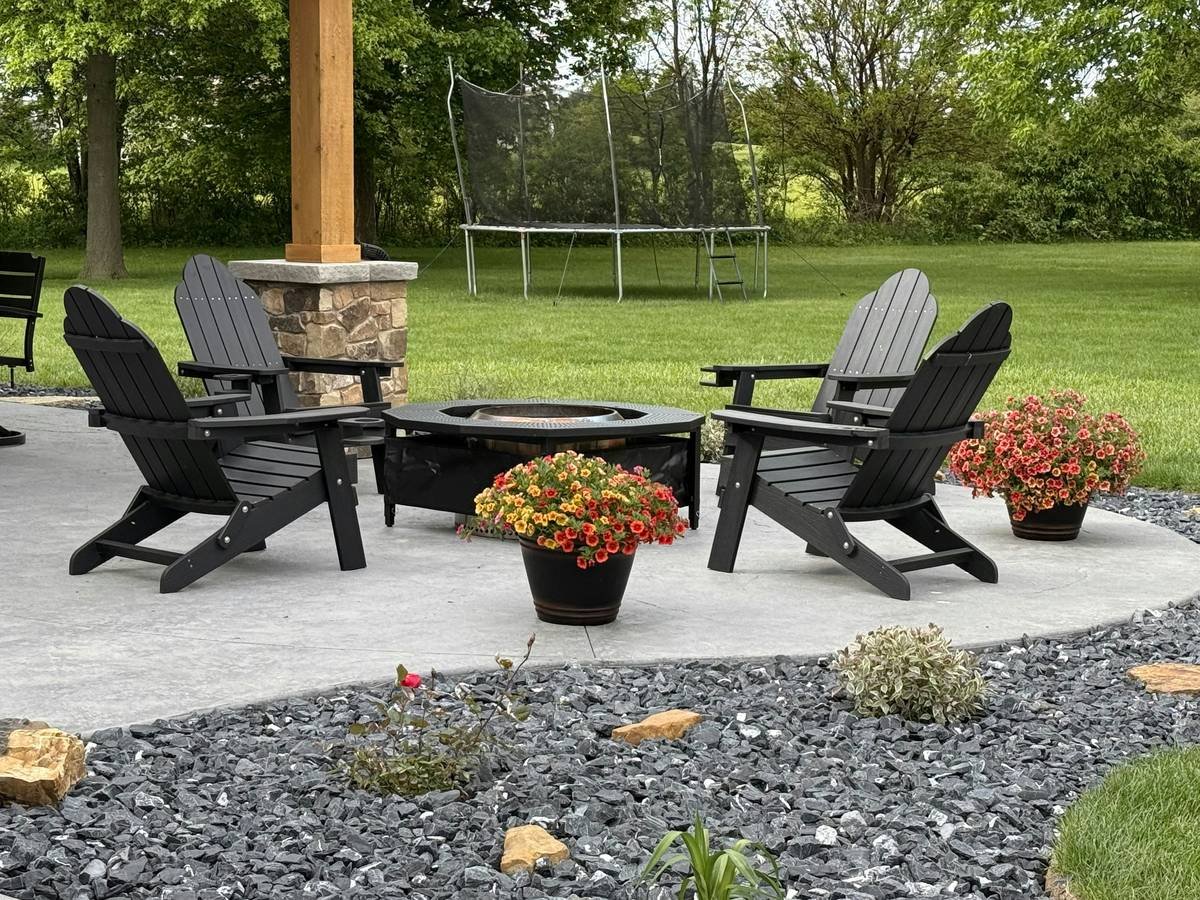
Position seating in a semi-circle or square, ensuring 36–48 inches from the fire pit’s edge. This distance prevents accidental contact while maintaining conversation intimacy. Include side tables for drinks—nothing worse than balancing a glass on your lap while dodging sparks.
Best Practices for Comfort and Safety
- Elevate legroom: Choose chairs with 16–18” seat height to reduce neck strain when looking into the fire.
- Add weather-proof cushions: Use Sunbrella® fabric—they repel moisture and won’t mildew.
- Never skip a spark screen: Especially with wood-burning pits, it contains embers that could ignite nearby upholstery.
- Avoid the “terrible tip”: Don’t place chairs on grass without pavers underneath. Heat radiates downward, killing turf and creating uneven footing—a real trip hazard.
Real-World Examples That Work
A Portland homeowner replaced her wobbly folding chairs with a fire pit with chairs set featuring aluminum frames and HDPE slats. After two Pacific Northwest winters, the set showed zero rust or fading. She credits the 42-inch clearance and covered storage during monsoon season. Meanwhile, a Denver family installed a gas fire table surrounded by built-in benches wrapped in fire-rated stone. Their energy-efficient propane model (certified by the CSA Group) cut smoke complaints from neighbors by 90%, per their HOA logs.
On our end, we’ve helped dozens of clients optimize their outdoor spaces—something you can read more about on our About Us page. And if you’re collecting email addresses for design consultations, rest assured we comply with data privacy standards outlined in our Privacy Policy.
FAQs About Fire Pit Furniture
What’s the safest distance between chairs and a fire pit?
At least 36 inches for wood-burning pits; 24 inches may suffice for gas models. Always follow the manufacturer’s clearance guidelines—many list exact specs in their manuals hosted on sites like EPA.gov.
Can I use regular patio furniture around a fire pit?
Only if it’s rated for high heat. Standard resin or fabric sling chairs can melt or catch fire. Stick to furniture labeled “fire pit compatible.”
Are built-in benches better than movable chairs?
Built-ins save space and look sleek but lack flexibility. Movable chairs let you reconfigure for parties or solo relaxation—ideal for dynamic households.
How do I clean fire pit seating?
Wipe metal frames with soapy water; rinse teak with vinegar solution (1:1 water/vinegar). Store cushions indoors during storms to prevent mold.
What styles work best for modern vs. rustic yards?
Modern spaces suit minimalist steel chairs with clean lines. Rustic yards pair well with Adirondack-style seats in weathered wood or stone-integrated benches.
Does a fire pit with chairs increase home value?
Yes—outdoor living upgrades yield ~60% ROI according to the National Association of Realtors’ 2023 Remodeling Impact Report.
Ready to build your perfect gathering spot without the guesswork? Contact us for a personalized layout consultation—we’ll help you avoid my melted-chair debacle before it happens.