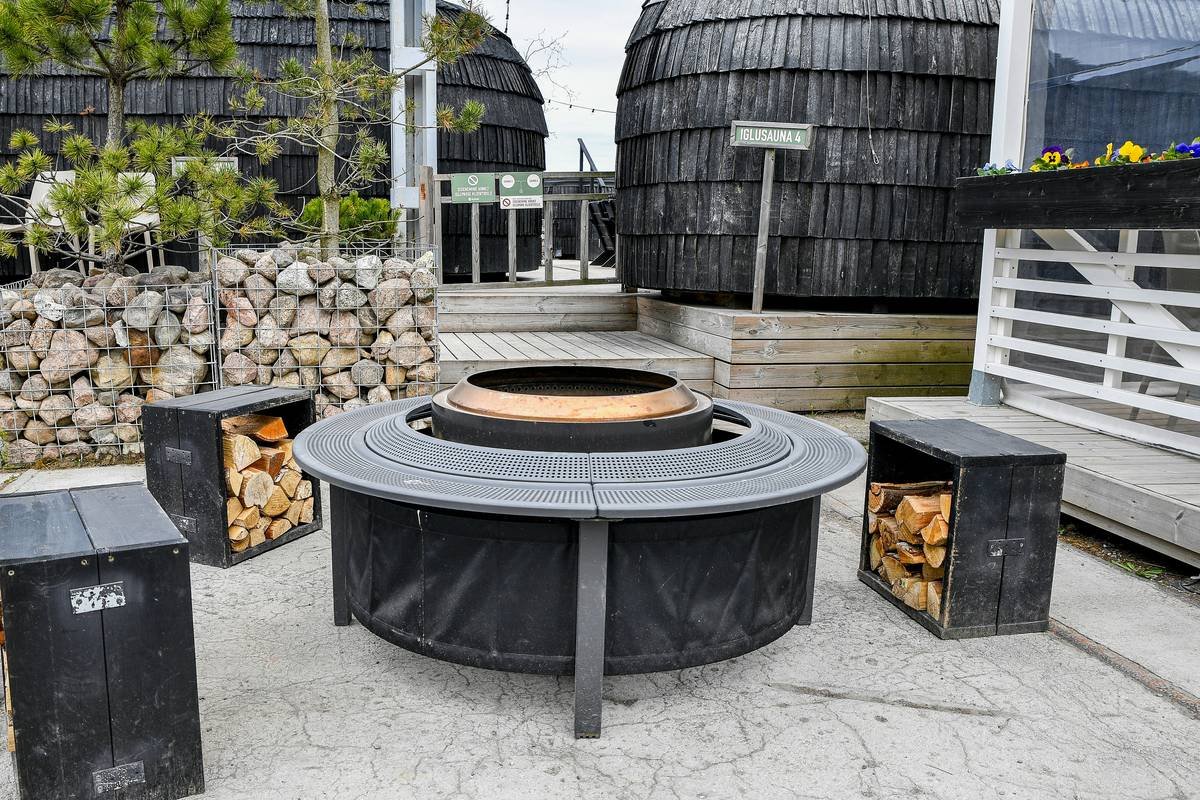
Your backyard feels lifeless. You’ve tried string lights, throw pillows, even that “rustic” wooden bench everyone swears by—but it still looks like a waiting room at a DMV. The problem isn’t your effort. It’s your furniture’s lack of identity. What you actually need is something that doesn’t whisper “cozy” but shouts character. Enter the industrial style fire pit—raw, unapologetic, and engineered to turn dead space into destination.
Why Typical Fire Pit Seating Falls Flat
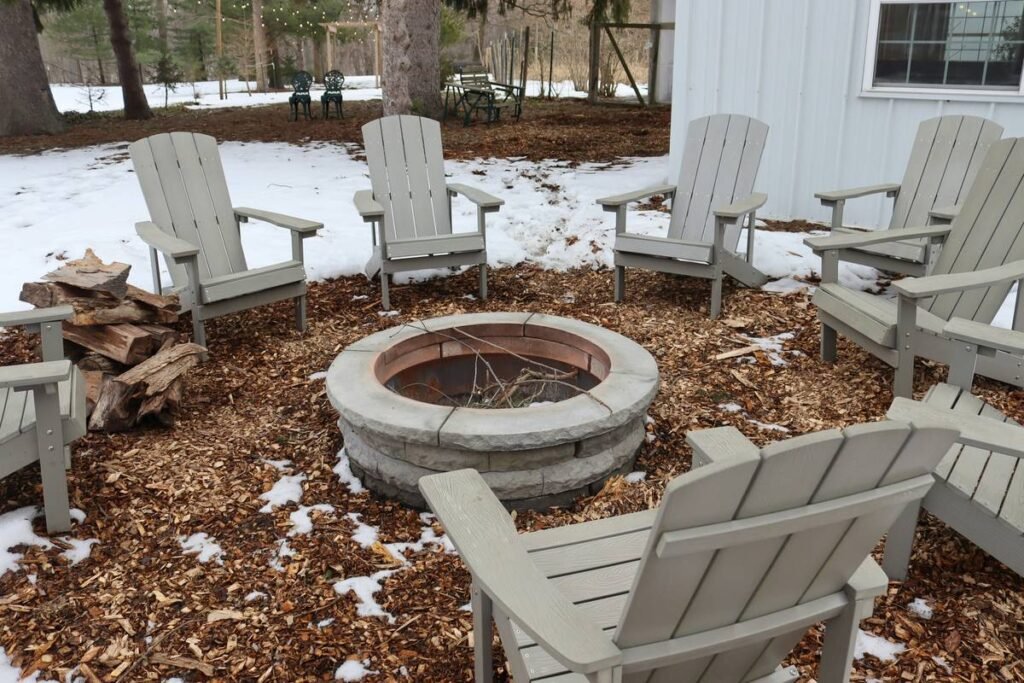
Most homeowners bolt on plastic Adirondack chairs or mismatched patio sets and call it a day. Big mistake. These pieces rot, fade, or tip over when someone leans back too hard. Worse—they scream “temporary.” An industrial style fire pit demands seating with spine. Think steel frames, concrete bases, weathered iron—not resin pretending to be wood. Without that backbone, your fire feature becomes background noise instead of the main event.
And here’s what no showroom tells you: comfort follows form. If your seating looks flimsy, nobody lingers—even if the cushions are plush.
How to Build the Perfect Industrial Fire Pit Seating Arrangement
This isn’t about slapping metal stools around flames. It’s about intentional layering—durability, ergonomics, and visual rhythm. Follow this sequence:
Select Your Anchor Material
Go heavy. Reclaimed steel beams, cast iron, or powder-coated aluminum with a matte finish. Avoid anything glossy—it reflects light unnaturally at night and breaks the industrial illusion. Pro tip: source surplus materials from demolition yards. They’re cheaper and already aged.
Determine Optimal Height & Depth
Seat height should land between 16–18 inches from the ground. Too low strains knees; too high blocks fire views. Depth? Minimum 20 inches front-to-back. You want people leaning in—not teetering on the edge. Measure twice. Cut once.
Prioritize Modular Flexibility
Rigid benches lock you into one layout. Instead, use individual stools or movable sectionals on locking casters. That way, you can open the circle for parties or tighten it for intimate hangs. Industrial doesn’t mean immovable.

| Seating Type | Material Cost (USD) | Lifespan (Years) | Mobility |
|---|---|---|---|
| Fixed Concrete Benches | $400–$800 | 20+ | None |
| Modular Steel Stools | $150–$300 each | 10–15 | High |
| Reclaimed Wood + Iron Combo | $250–$600 | 8–12 | Medium |
| DIY Pallet Seating (Not Recommended) | $50–$100 | 1–2 | Low |
The Industry Secret: Texture > Finish
Here’s what top outdoor designers won’t publish: patina beats perfection every time. An industrial style fire pit shouldn’t look freshly minted. Let steel develop rust streaks. Allow concrete to stain slightly from ash spills. This isn’t neglect—it’s narrative. Each mark tells a story of use, which builds emotional stickiness far beyond sterile showroom aesthetics. One client I advised stopped sealing their corten steel stools after year two. Now? Guests run their hands over the surface like it’s art. Because it is.
The math is simple: weathered authenticity = longer dwell time = more memories made.
Frequently Asked Questions
Can industrial fire pit furniture stay outside year-round?
Yes—if made from proper materials like powder-coated steel, corten, or marine-grade aluminum. Avoid untreated iron in humid climates.
Is industrial style fire pit seating comfortable?
Only if designed right. Add 2-inch thick outdoor-rated cushions in neutral tones. Hard surfaces need soft counterpoints.
How much space do I need for this setup?
Minimum 10×10 feet. You need clearance for seating depth, walking space, and fire safety codes (usually 3+ feet from structures).