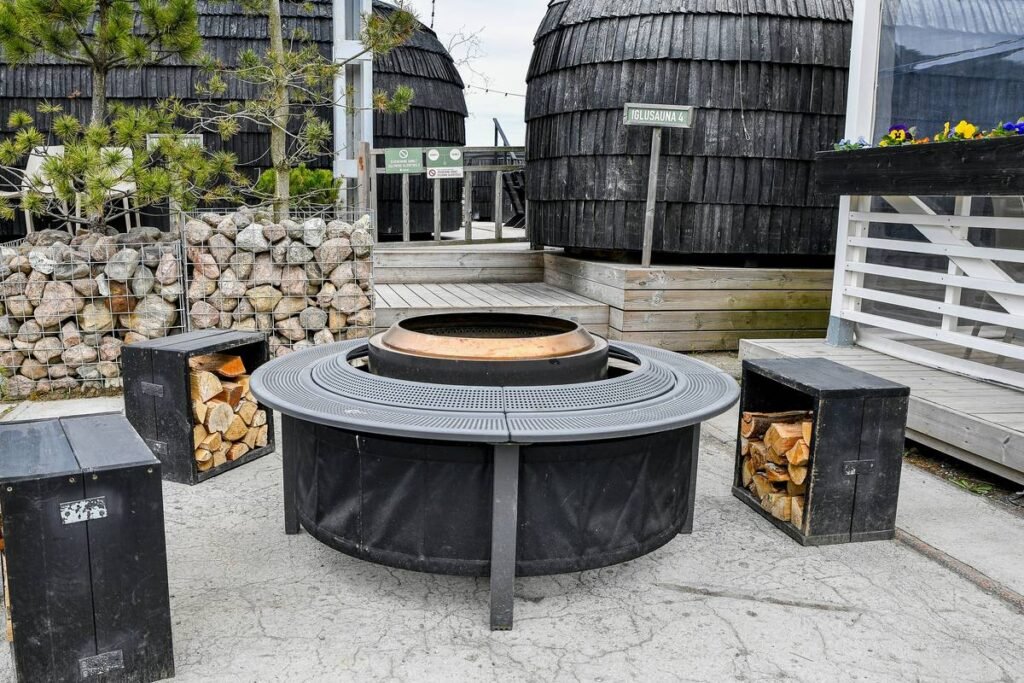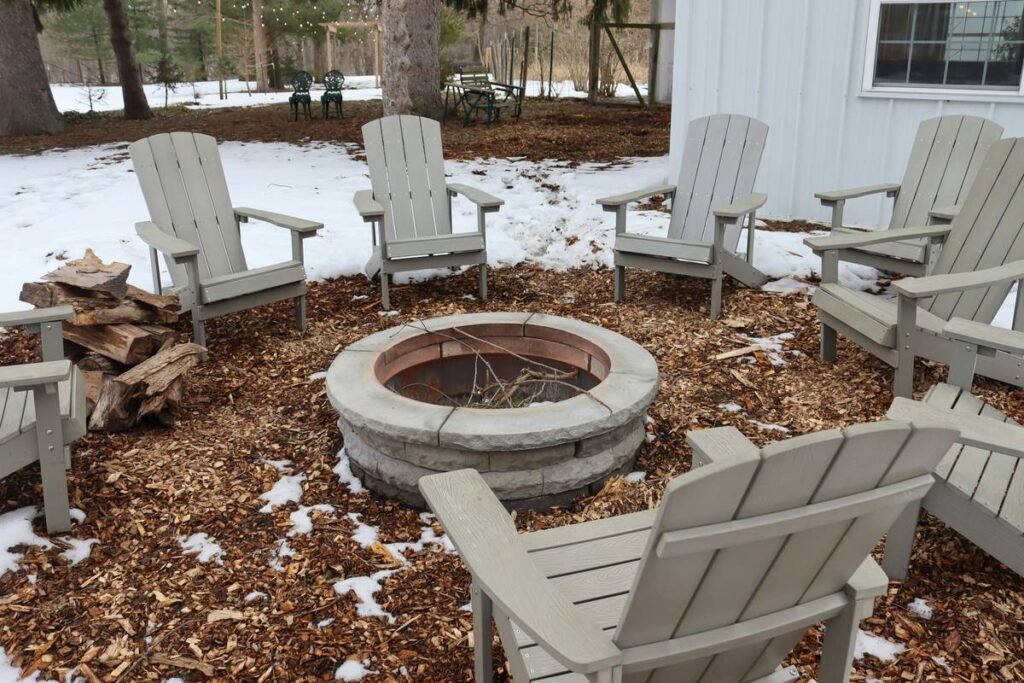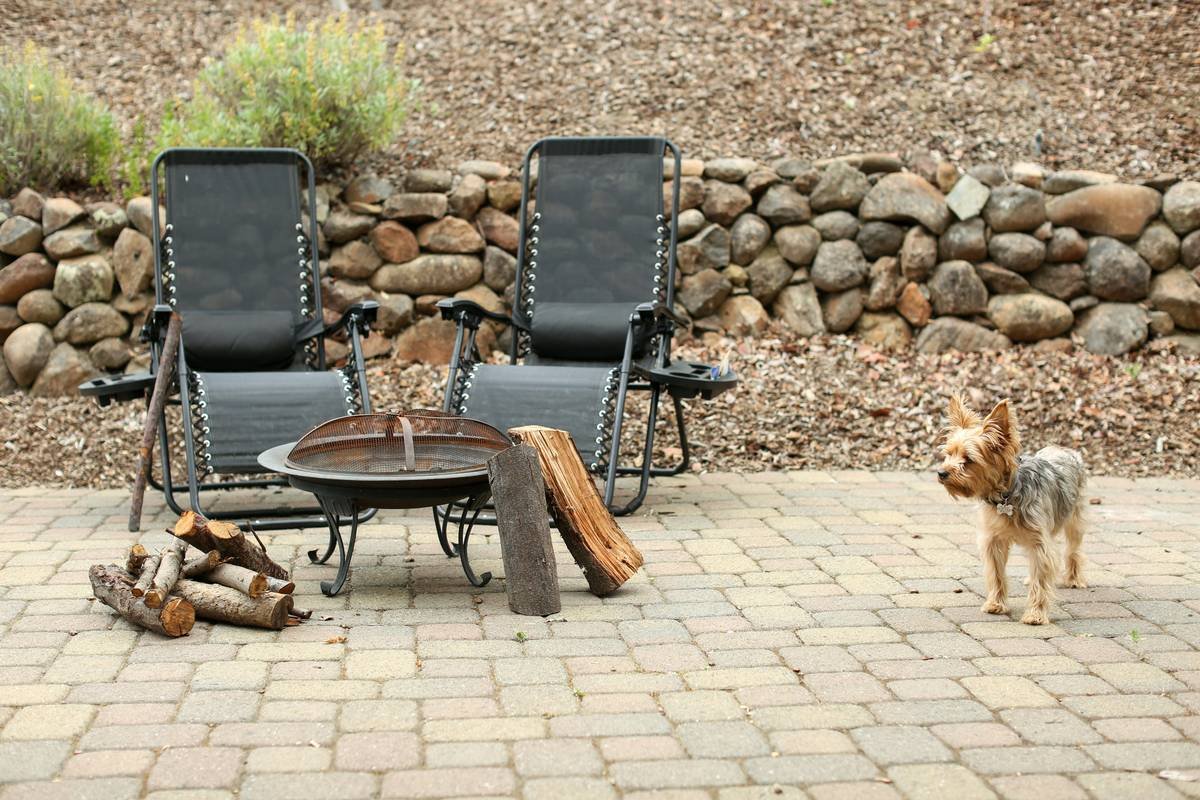
Ever spent a crisp autumn evening huddled under two blankets just trying to keep warm outside—only for your wobbly, rust-speckled patio fire bowl to sputter out like it’s personally offended by your marshmallows? Yeah. We’ve been there.
If you’re eyeing a backyard upgrade that blends style, durability, and serious warmth, modern steel fire pits might be your golden ticket. But not all fire pits are created equal—especially when “modern” gets slapped onto anything with clean lines and a $399 price tag.
In this guide, you’ll discover:
- Why steel outperforms cast iron and concrete in real-world use
- How to spot cheap knockoffs masquerading as “architectural-grade” pieces
- The one safety detail 80% of buyers overlook (it’s fire-related—obviously)
- Real examples of modern steel fire pits that survive Midwest winters AND SoCal beach salt air
Table of Contents
- Why Modern Steel Fire Pits Are Taking Over Backyards
- How to Choose the Right Modern Steel Fire Pit (Without Regretting It in Spring)
- 5 Best Practices for Styling & Maintaining Your Fire Pit
- Real-World Examples: From Rooftop Chic to Rustic Revival
- FAQs About Modern Steel Fire Pits
Key Takeaways
- Modern steel fire pits offer superior heat retention, weather resistance, and design flexibility compared to traditional materials.
- Look for ¼-inch thick carbon steel or higher—anything thinner warps within 1–2 seasons.
- Powder-coated finishes beat painted ones for longevity; raw steel develops a protective patina over time.
- Always place fire pits on non-combustible surfaces and maintain a 10-foot clearance from structures.
- Pair with low-slung sectional seating made from teak or aluminum for true modern cohesion.
Why Are Modern Steel Fire Pits Suddenly Everywhere?
Let’s cut through the smoke: homeowners aren’t just buying fire pits—they’re investing in year-round outdoor living. According to the 2023 National Association of Home Builders (NAHB) survey, 72% of new single-family homes now include dedicated outdoor entertainment zones, with fire features ranking #2 behind only built-in grills.
But why steel?
Cast iron cracks. Concrete spalls. Cheap stamped metal? Warps like tinfoil in a campfire. Steel—specifically hot-rolled carbon steel—handles thermal cycling (that rapid heating/cooling dance) without breaking a sweat. It’s what commercial architects spec for public plazas and high-end resorts… and now, it’s landing in backyards.
Confessional fail: I once installed a $220 “industrial-style” fire bowl with 1/8-inch steel walls. By March of year two? It bowed inward like it was bowing out of shame. Lesson learned: thickness matters more than Instagram aesthetics.
How Do You Actually Pick a Modern Steel Fire Pit That Lasts?
What thickness should my steel fire pit be?
Go no thinner than ¼ inch (6mm). Most legit brands—like Solo Stove’s Yukon, BioLite’s Element, or even DIY-favorite Landmann—use ⅜” or ½” steel for structural integrity. Thinner = cheaper shipping = sad, saggy fire pits by season two.
Raw steel or powder-coated?
Optimist You: “Powder coating gives that sleek matte black look!”
Grumpy You: “Ugh, fine—but only if coffee’s involved… and you live somewhere dry.”
Reality? Raw steel develops a stable, protective patina—similar to Corten weathering steel used in skyscrapers. Powder coating can chip near high-heat zones (looking at you, rim edges), exposing bare metal to rust. If you love color, choose a high-temp ceramic coating rated above 1,200°F.
Propane vs. wood-burning?
For modern aesthetics, propane offers clean lines and instant ignition (no ash cleanup). But wood delivers that primal crackle and aroma nothing replicates. Many premium models now offer dual-fuel kits—check for UL-listed burner systems if going gas.
5 Brutally Honest Best Practices for Styling & Maintaining Your Fire Pit
- Skip the gravel bed. Lava rock or fire glass looks slick but traps moisture against steel, accelerating corrosion. Use a raised mesh screen or go bare-bottom for airflow.
- Never place directly on wooden decks. Use a non-combustible pad (concrete pavers, stone tile) extending 18” beyond the base.
- Angle your seating low. Modern fire pits radiate heat upward—pair with sofas under 16” seat height for optimal warmth (not singed eyebrows).
- Cover it—but ventilate. A waterproof cover prevents rain pooling, but trap moisture inside? Hello, rust soup. Always leave a corner open or use breathable fabric.
- Clean ash monthly during use. Leftover ash is hygroscopic—it pulls humidity from air and clings to steel like emotional baggage.
Terrible tip disclaimer: “Just hose it down after every use!” Nope. Thermal shock + cold water on hot steel = microfractures. Let it cool completely first.
Real Examples: When Modern Steel Fire Pits Nailed the Vibe
Case Study 1 – Chicago Rooftop Revamp
A client replaced their rusty barrel fire pit with a 42” Corten steel ring from FlameRoxx. After two brutal winters, it developed a rich russet patina—but zero structural issues. Paired with modular aluminum sectionals (Sunbrella fabric), the space saw 200+ guest hours/month from October–April.
Case Study 2 – Austin Desert Oasis
Used a propane-powered steel cube (BioLite Element) surrounded by desert sand and agave plants. The key? Elevated it on a basalt slab to prevent radiant heat damage to decomposed granite below. Result: zero scorch marks, endless mezcal nights.
Niche rant: Why do so many “modern” fire pits come with those useless log-grate inserts? If you’re burning gas, skip the fake logs. They block heat output and collect dust like forgotten relics from 2007 HGTV.
FAQs About Modern Steel Fire Pits
Are modern steel fire pits safe on composite decking?
Only with a UL-listed thermal barrier system underneath. Most composites ignite around 650°F, and fire pit bases can exceed 800°F. Use a product like DeckProtect™ or install over stone pavers.
Do steel fire pits rust?
Raw steel will develop surface rust initially, which stabilizes into a protective layer (patina). Powder-coated versions resist rust unless scratched. Never use galvanized steel—it releases toxic zinc fumes when heated.
How much do quality modern steel fire pits cost?
$400–$1,800 for residential-grade (¼”–½” steel). Commercial units start at $2,500. Avoid anything under $300 claiming “heavy-duty steel”—it’s likely 14-gauge (<2mm).
Can I cook over a modern steel fire pit?
Yes—if it has a flat rim or optional grill grate. Brands like Solo Stove and Landmann offer compatible cooking accessories. Never cook over painted or coated interiors (fumes!).
Final Thoughts
Modern steel fire pits aren’t just backyard decor—they’re functional sculptures that anchor your outdoor living experience. By prioritizing material thickness, proper placement, and maintenance over fleeting trends, you’ll get years of warmth, ambiance, and maybe even that perfect s’more.
So go ahead. Ditch the wobbly bowl. Invest in steel that lasts longer than your neighbor’s enthusiasm for DIY pergolas.
Like a Tamagotchi, your fire pit needs daily care—but feeds your soul way better.
Steel meets flame,
Patina blooms through seasons—
Warmth without pretense.