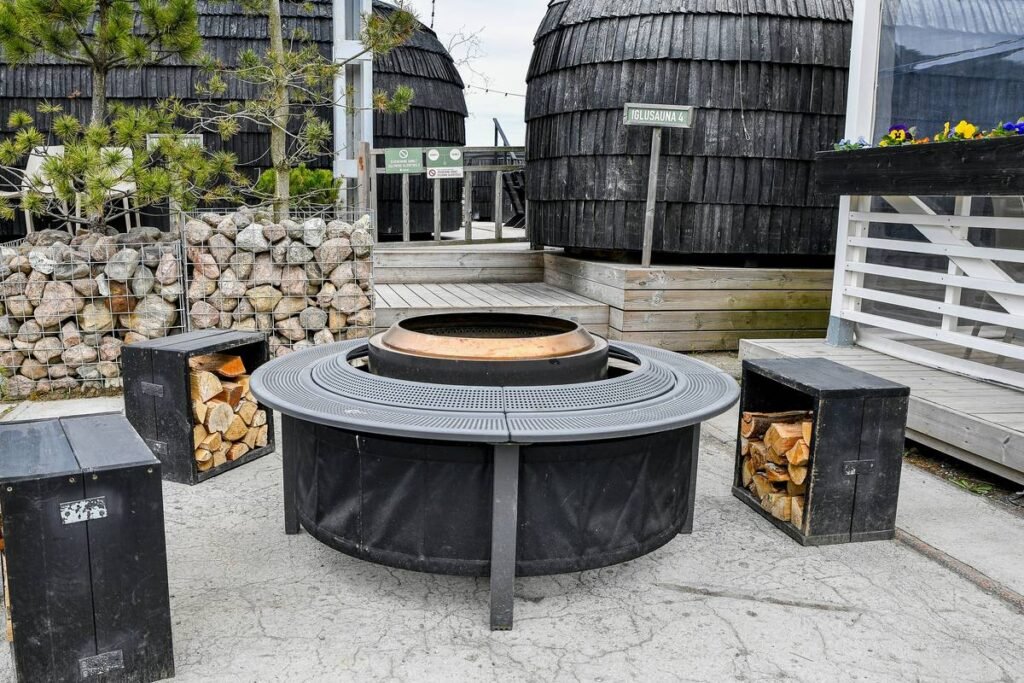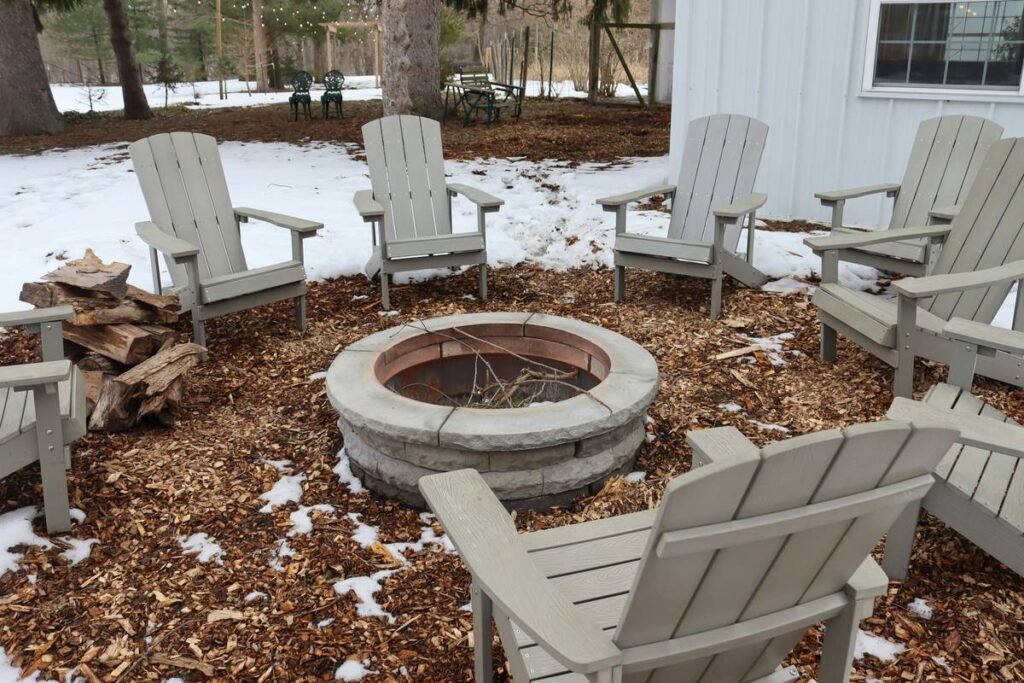
Ever hosted a backyard hangout only to watch your guests huddle around a flimsy metal fire bowl—knees knocking, drinks sweating on the grass—while you silently mourn the lack of actual seating? Yeah. Been there, roasted marshmallows over that.
If you’re eyeing a cozy, functional outdoor space that screams “stay awhile,” then a fire pit and table combo might be your golden ticket. Not just a trend (though it’s wildly popular—Grand View Research expects the outdoor furniture market to hit $38B by 2030), this hybrid piece merges warmth, style, and practicality like no other.
In this guide, you’ll discover:
- Why “just a fire pit” or “just a table” falls short
- How to choose the right fire pit and table for your climate, layout, and lifestyle
- Mistakes I made (and how you can avoid them)
- Real examples of setups that wow guests—and boost property appeal
Table of Contents
- Why a Fire Pit and Table Beats Separate Pieces
- How to Choose the Perfect Fire Pit and Table
- 7 Best Practices for Styling & Safety
- Real-World Examples That Actually Work
- FAQs About Fire Pit and Table Combos
Key Takeaways
- A fire pit and table combines heat, seating, and surface space in one footprint—ideal for small yards.
- Material choice (concrete, steel, stone) impacts durability, maintenance, and resale value.
- Propane models offer convenience; wood-burning delivers ambiance—but check local burn ordinances first.
- Never skip ventilation or clearance specs—safety isn’t optional.
- Style should complement your existing patio furniture, not compete with it.
Why a Fire Pit and Table Beats Separate Pieces
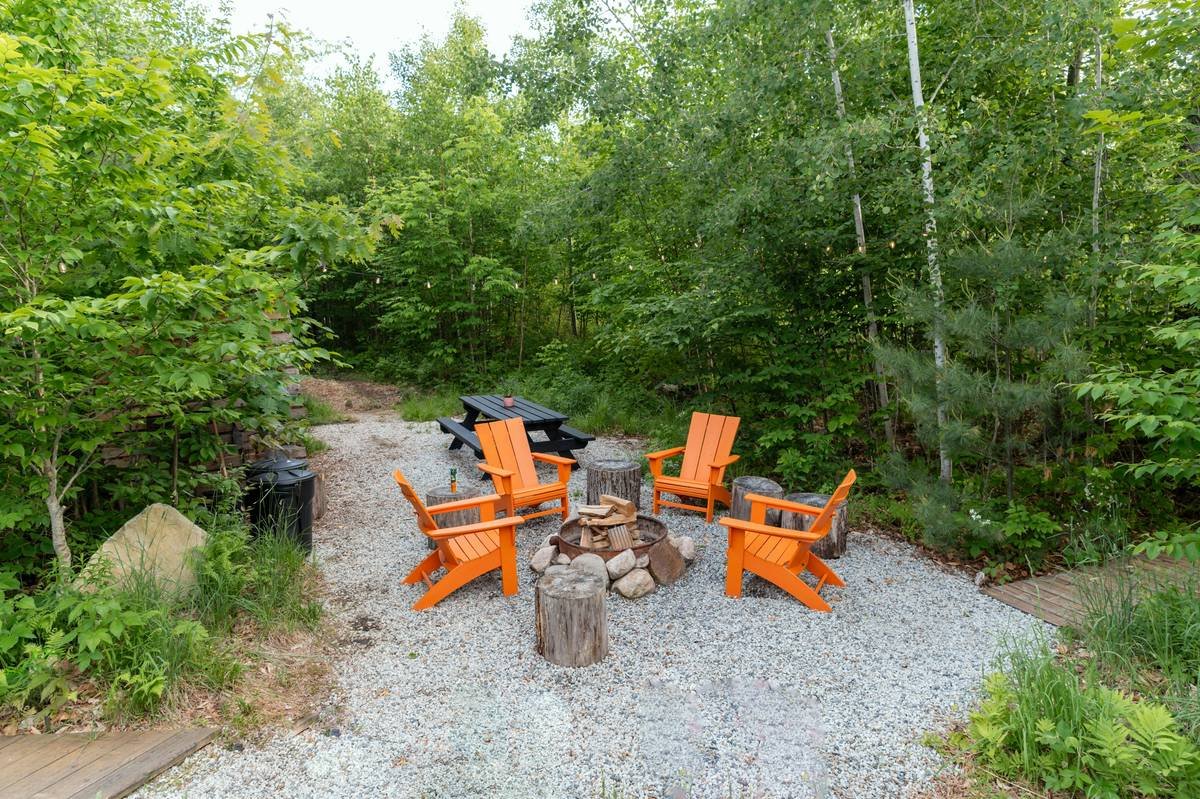
Let’s be real: dragging out lawn chairs, balancing drinks on wobbly side tables, and fighting for proximity to the flame gets old fast. A dedicated fire pit and table solves this by integrating heat and function into one intentional centerpiece.
I learned this the hard way. Two summers ago, I bought a standalone propane fire pit and paired it with a cheap resin patio set. Within weeks, the mismatched heights made conversations awkward (“lean in!” became our group chant), and crumbs from charcuterie boards kept falling into the burner—cue the frantic puff of white smoke during a wine night. Not the vibe.
According to the National Association of Home Builders (NAHB), 78% of homeowners now prioritize “multifunctional outdoor living spaces.” And for good reason: a well-designed fire pit table serves as dining surface, footrest, conversation hub, and heat source—all while saving square footage.
How to Choose the Perfect Fire Pit and Table
What fuel type fits your lifestyle?
Optimist You: “Wood gives that crackle-and-smoke authenticity!”
Grumpy You: “Ugh, fine—but only if coffee’s involved… and you enjoy ash cleanup at midnight.”
Truth is, your fuel choice shapes everything:
- Propane/Natural Gas: Clean, instant ignition, no ash. Ideal for urban yards or HOA-regulated communities. Just ensure your table has proper gas line access or hidden tank storage.
- Wood-Burning: Romantic, high-heat output—but banned in many dry regions (e.g., parts of California restrict open flames May–Oct). Requires a spark screen and non-combustible surround.
- Electric: Sleek, quiet, zero emissions—perfect for covered patios or balconies. But lacks authentic flame presence.
Size and shape: Match your space, not Pinterest
A 60-inch round table might look dreamy in photos, but if your patio is 10×10 ft? You’ll trip over it nightly. Measure first:
- Allow **at least 36 inches** between table edge and surrounding furniture for walkway clearance.
- Rectangular tables suit narrow decks; round promotes equal conversation.
- Built-in seating? Ensure bench depth is 18–22 inches for comfort.
Materials matter more than you think
Don’t fall for “weather-resistant” claims without checking composition:
- Powder-coated steel: Affordable but prone to rust if scratched. My first unit flaked after one Midwest winter—lesson learned.
- Stone or tile-topped: Gorgeous but cracks under freeze-thaw cycles unless properly engineered.
Concrete or GFRC (glass fiber-reinforced concrete): Heavy, durable, modern. Holds heat well but needs sealing every 2 years.
7 Best Practices for Styling & Safety
- Clearance is non-negotiable: Maintain 12+ inches from walls, railings, or overhangs (per NFPA 1 guidelines).
- Add ambient lighting: String lights or path LEDs prevent tripping once the fire dims.
- Use fire glass or lava rock: These media enhance flame visibility and protect burner components.
- Invest in a cover: Even “all-weather” tables degrade faster uncovered. I use a breathable polyester cover—$40 saved me a $1,200 replacement.
- Match your existing palette: If your patio set is teak, don’t install a glossy black metal table unless you love visual chaos.
- Test ignition before guests arrive: Nothing kills mood like crouching under the table with a lighter for 10 minutes.
- Keep a fire extinguisher nearby: Not dramatic—just responsible. (Type ABC works for all common outdoor fuels.)
Real-World Examples That Actually Work
Case Study #1: Urban Rooftop Revival (Chicago, IL)
Client had a 12×12 ft roof deck with strict weight limits. We installed a lightweight aluminum fire pit table with built-in propane tank compartment. Paired with stackable sling chairs, it seats 6 without crowding. Result? They now host weekly “Sunset S’mores Sundays”—and their Zillow listing mentions it as a key feature.
Case Study #2: Desert Oasis (Scottsdale, AZ)
Local burn bans ruled out wood. Opted for a natural gas fire pit table with a sand-colored concrete base and bronze burner. Added sunken lounge seating around it (with removable cushions for monsoon season). The homeowner reported a 40% increase in outdoor use year-round.
FAQs About Fire Pit and Table Combos
Can I cook on a fire pit table?
Generally, no. Most aren’t designed for direct food contact (burners sit below decorative media). But some models (like Solo Stove’s Patio line) offer grill attachments—check manufacturer specs first.
How much does a quality fire pit and table cost?
Budget: $300–$800 (basic propane models). Mid-range: $900–$2,500 (concrete, natural gas-ready). Premium: $3,000+ (custom stone, auto-ignition, built-in speakers). Avoid anything under $250—it’s likely unsafe or will disintegrate in 12 months.
Do I need a permit?
Possibly. Many cities require permits for permanent gas lines or structures over 200 lbs. Always check with your local building department before installing.
Can it stay outside year-round?
Yes—if covered and made of appropriate materials. Never leave propane tanks connected in freezing temps; disconnect and store upright in a ventilated garage.
Conclusion
A fire pit and table isn’t just furniture—it’s the engine of backyard connection. It reduces clutter, invites lingering, and adds tangible value to your home. Choose wisely based on fuel, material, and scale, prioritize safety over aesthetics, and for the love of s’mores, measure your space before buying.
Now go light that flame—and keep the drinks off the grass.
Like a Tamagotchi, your fire pit table needs daily care—except instead of digital pixels, it’s real warmth, laughter, and maybe slightly charred marshmallows.
Haiku:
Flame dances at dusk,
Table holds wine, hearts, and dreams—
Backyard magic blooms.