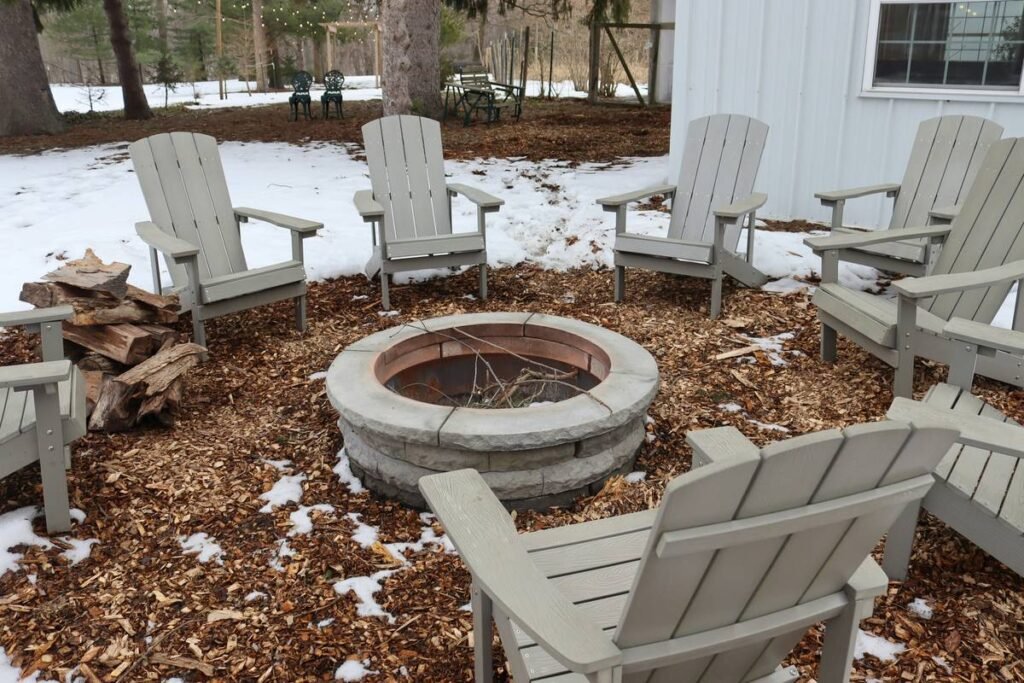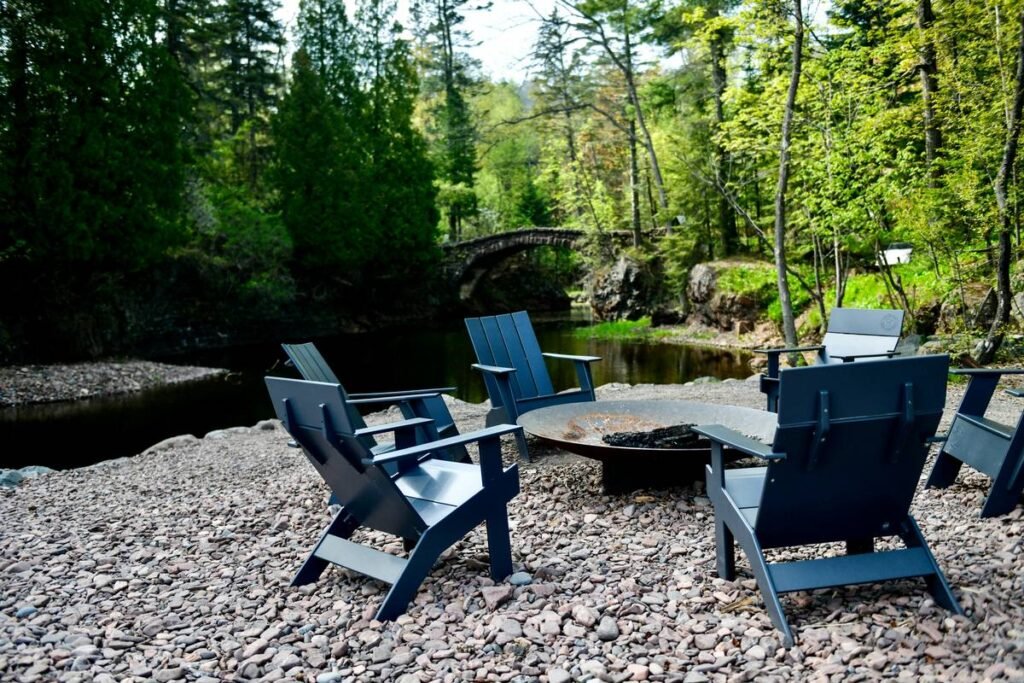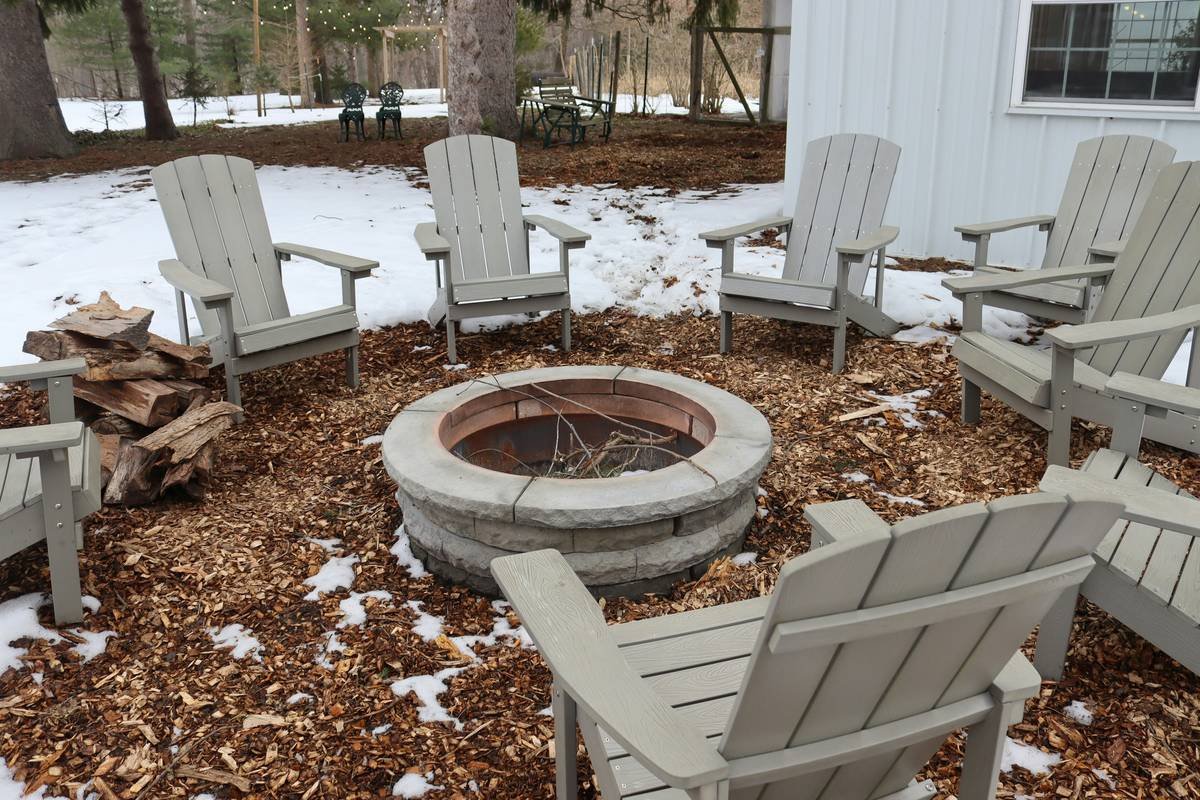
You’ve built the fire pit. Or bought the prefab one. But now it just… sits there—an empty metal ring or stone hulk surrounded by awkward silence and mismatched lawn chairs. It looks more like a construction zone than a gathering spot. The real problem isn’t the fire—it’s the furniture (or lack thereof). Here’s how to fix it: thoughtful fire pit seating that blends comfort, durability, and aesthetics without turning your backyard into a catalog showroom.
Why Most Fire Pit Setups Fail Within 6 Months
People treat fire pit decor like an afterthought. They drag out old patio sets, toss down weathered cushions, and call it “rustic.” Then rain ruins the fabric. Ash stains the wood. Guests sit too far away—or dangerously close. And the vibe? Cold. Literally and emotionally.
The core issue is a mismatch between heat dynamics and furniture choice. Not all outdoor seating belongs near open flame. Wicker melts. Plastic warps. Thin metal gets scorching hot. And low-slung chairs force guests to crane their necks upward—killing conversation flow. You need materials that resist radiant heat, layouts that encourage eye contact, and scale that fits your space—not Pinterest fantasy.
How to Decorate a Fire Pit: A Practical, Layered Approach
Forget “just add chairs.” Real fire pit styling is about zones, textures, and intentional gaps. Start with structure, then layer in comfort and personality.
Step 1: Map Your Heat Radius
Measure 36–48 inches from the fire pit’s edge—that’s your safe seating zone. Anything closer risks ember damage or discomfort. Use this distance to determine chair depth and table placement.
Step 2: Choose Seating That Earns Its Keep
Opt for heavy-duty materials: powder-coated steel, teak, or high-density polyethylene (HDPE) lumber. Avoid anything with foam cores unless it’s specifically rated for outdoor use near heat sources. And skip armless stools—they tip too easily when people lean in.
Step 3: Anchor With a Low Coffee Table (Optional but Powerful)
A 14–18 inch tall table lets guests rest drinks, marshmallow skewers, or blankets without bending over. Bonus: it visually centers the arrangement.
Step 4: Add Strategic Softness—Not Clutter
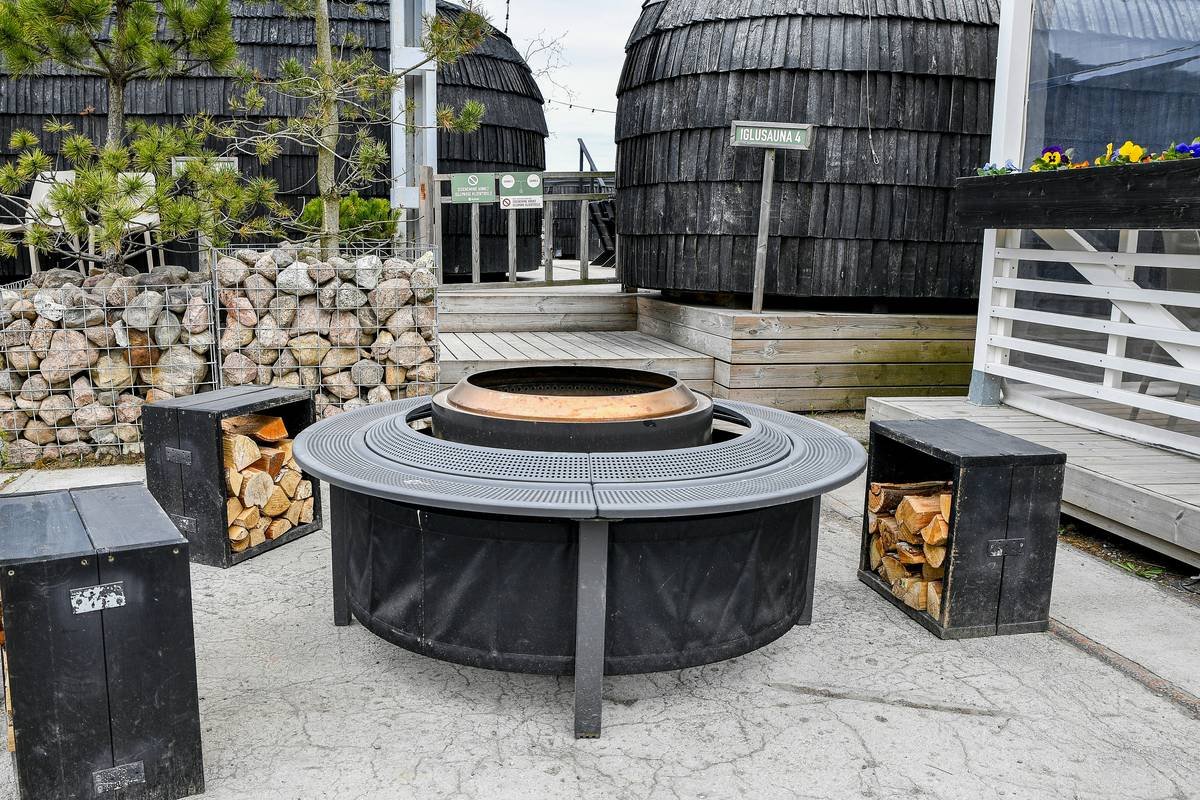
One weather-resistant throw blanket per seat. Two maximum. Store them in a lidded bench nearby. Cushions should be removable and quick-dry—never permanent fixtures.
| Seating Type | Heat Resistance | Conversation Flow | Storage Needs | Cost Range (USD) |
|---|---|---|---|---|
| Modular Sectional Sofa | Moderate (keep >48″) | Poor (facing same direction) | High (bulky) | $800–$2,500 |
| Adirondack Chairs | Excellent (wood/HDPE) | Good (angled inward) | Low (stackable) | $120–$350 each |
| Concrete Benches | Perfect (non-combustible) | Strong (flexible positioning) | None (permanent) | $400–$1,200 |
| Folding Metal Chairs | Poor (conducts heat) | Weak (unstable seating) | Medium | $30–$90 each |
The Industry Secret No One Talks About: Negative Space Is Your Best Tool
Here’s what landscape designers whisper at trade shows: the most inviting fire pits aren’t packed tight—they breathe. Leave one side slightly open. Not empty, but flexible. Why? It creates an entry point. Guests don’t feel boxed in. It also gives you room for a serving tray, a guitar case, or a dog bed without disrupting the circle.
And this might sound counterintuitive—but never match everything. A single contrasting chair (say, a deep green metal seat among warm-toned wood) adds visual rhythm. Uniformity feels staged. Slightly imperfect cohesion feels lived-in. That’s the goal: not perfection, but presence.
FAQ
What is the best material for fire pit furniture?
Teak, HDPE lumber, and powder-coated steel offer the best balance of heat resistance, durability, and aesthetics. Avoid resin wicker within 4 feet of the flame.
How far should chairs be from a fire pit?
Ideal distance is 36 to 48 inches from the fire pit’s edge. This keeps users safe from sparks while still feeling the warmth.
Can I use indoor furniture around a fire pit?
No. Indoor pieces lack UV, moisture, and heat resistance. They’ll degrade fast—and pose a fire hazard if placed too close.